


Learning how to increase horsepower for drag competition builds is crucial for any racer aiming for victory on the strip. In 2026, professional teams and dedicated enthusiasts alike focus on maximizing power through advanced engineering and smart upgrades. This article breaks down the best ways to safely and reliably boost horsepower for full-race competition vehicles. Saiba mais sobre How to Improve Aerodynamics.
Whether you run a Pro Mod, Outlaw, or any serious drag platform, following proven practices helps you make every run count. In addition, we cover essential details for chassis cars with dedicated cages, advanced suspension, slicks, and full competition setups.
Boosting horsepower is not just about bolting on big parts. Because of this, careful planning and technical knowledge are key. For dedicated drag race builds, every component matters – from the engine internals to the fuel system and electronics. Read on to see how top teams in 2026 supercharge their cars for the fastest and most consistent ETs.
Core Engine Upgrades: The Foundation for Maximum Horsepower
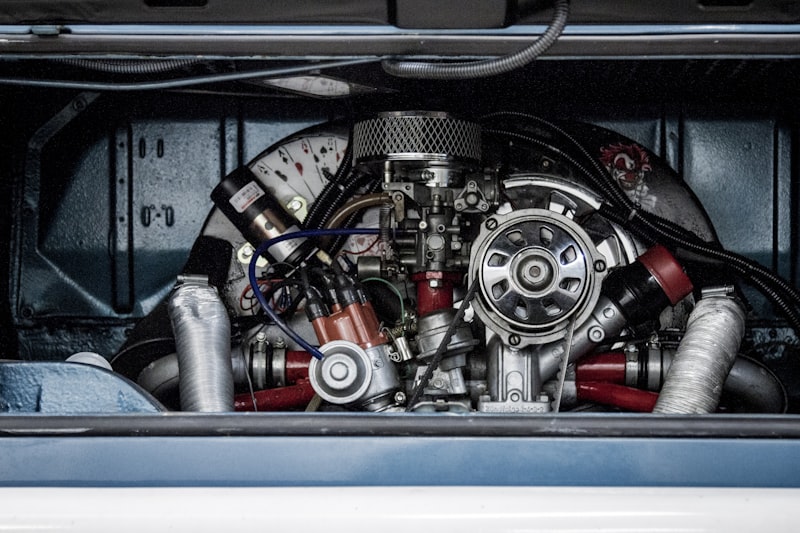
When asking how to increase horsepower for drag competition builds, the starting point is always the engine. High-powered drag cars rely on purpose-built motors that can handle extreme stress, high RPM, and aggressive tuning.
First, the choice of block and rotating assembly is critical. Most competition builds use aftermarket blocks (iron or billet aluminum) that can handle over 2,000 horsepower. For example, the Pro Line Racing 481X engine is rated for up to 4,000 hp and is a popular base in Pro Mod and Radial vs. The World classes in 2026.
In addition, forged internals are required for high horsepower. Forged crankshafts, rods, and pistons offer much greater strength than stock or cast parts. As a result, these components allow you to push boost and RPM without serious risk of failure.
Valve train upgrades also play a big role. Stiffer valve springs, lightweight titanium valves, and high-ramp camshafts help engines rev higher and avoid valve float. This approach makes more power at the top end, where it matters most in drag racing.
Proper sealing is another concern. Many drag builds use O-ringed blocks and copper head gaskets. Because of this, they can run high boost and nitrous without blowing head gaskets.
Oil systems in competition builds often use dry-sump setups. In fact, these systems prevent oil starvation and help maintain pressure during hard launches and high G-forces.
Selecting the Right Engine Management and Sensors
Modern drag builds use advanced engine management systems like FuelTech FT600 or MoTeC. These offer full control over fuel, timing, boost, and more. In addition, top teams run data logging with dozens of sensors. Monitoring oil pressure, EGT, and AFR helps catch issues before they cause disasters.
Power Adders: Forced Induction and Nitrous Oxide Systems
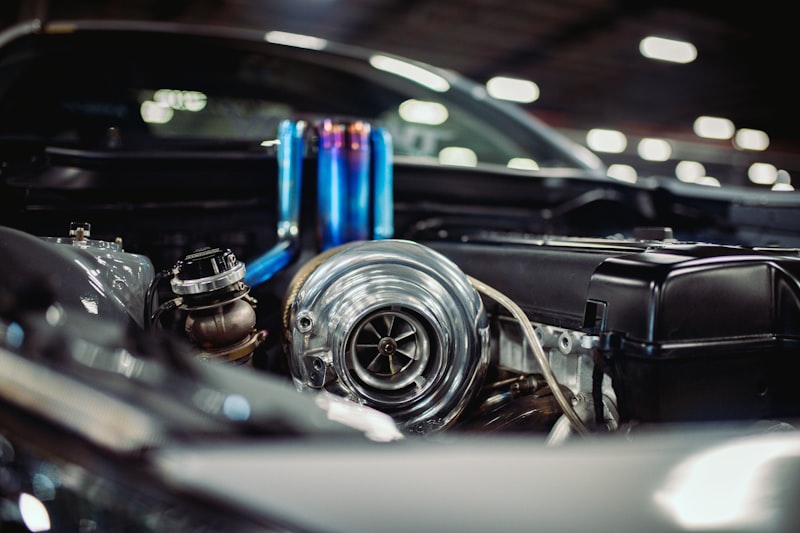
Many are interested in how to increase horsepower for drag competition builds beyond natural aspiration. Forced induction and nitrous oxide offer the highest gains for the modern drag racer.
Turbochargers are common. They can double or triple engine power with the right supporting mods. In Pro Mod and other fast classes, single or twin turbo setups often push engines to 4,000+ horsepower. Large-frame turbos from Precision, Garrett, or Bullseye are popular in 2026. Proper sizing, however, is important. Too small a turbo limits top-end. Too large can cause lag and traction issues.
Superchargers are another option, especially roots and screw blowers. For example, many Top Alcohol and Pro Mod cars use PSI or Whipple superchargers. They deliver instant boost and huge mid-range torque, which helps with 60-foot times.
Nitrous oxide systems, when properly used, add 300-1,000 horsepower almost instantly. Multi-stage setups are common for full-race builds. Because of this, teams often spray nitrous on launch and switch to turbo or blower power mid-track.
In all cases, proper fuel and ignition tuning are vital. Failure to add more fuel with forced induction or nitrous leads to engine damage. Therefore, stand-alone engine management, high-flow injectors, and upgraded ignition are must-haves.
Maximizing Reliability with Power Adders
Adding boost or nitrous stresses engines. Because of this, teams upgrade head studs, pistons, and even add block sleeves. Water-methanol injection is sometimes used for extra cooling. In addition, intercoolers and ice tanks are standard for boosted applications to keep intake temps down.
For an in-depth engineering perspective on forced induction, refer to the SAE Forced Induction Fundamentals guide by SAE International.
Supporting Systems: Fuel Delivery, Cooling, and Exhaust for Race-Ready Power
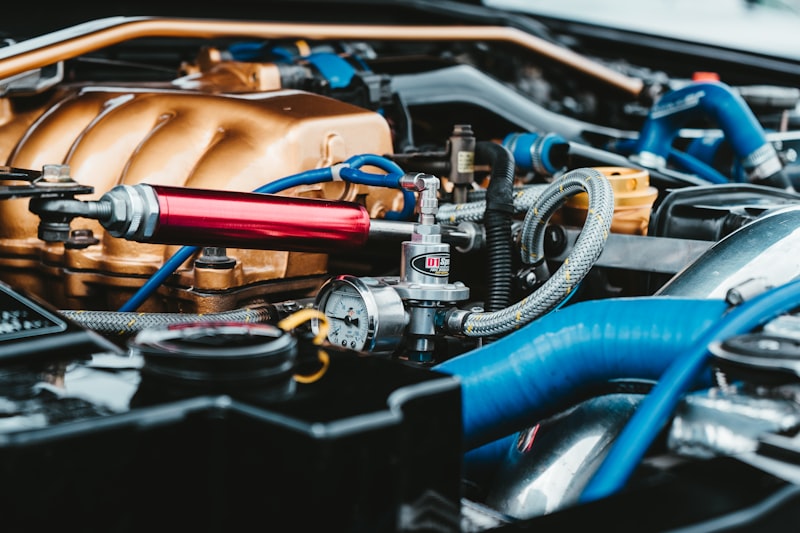
Even the best engine cannot perform if its supporting systems fall short. In high-power builds, fuel delivery, cooling, and exhaust all need serious upgrades to reach — and maintain — peak power at the track.
Race fuel pumps must meet the demand. For example, drag builds often run multiple electric pumps or a mechanical belt-driven pump delivering up to 100 gallons per hour. In addition, wide fuel rails and -10 AN lines help avoid pressure drop at full throttle.
Injectors need to support horsepower goals. As a general rule, each 1,000 hp of gasoline power needs at least 8 x 2200cc injectors running near 80% duty. Methanol engines, common in drag racing, require even larger injectors and extra fuel pump capacity.
Cooling systems must keep up. Although drag runs are short, the heat created by 2,000+ hp gets extreme. Therefore, teams run oversized radiators, ice tanks, and electric water pumps. Engine oil coolers and transmission coolers also protect vital components during staging and recovery.
Exhaust headers and piping are not just about sound. In fact, stepped headers tuned for specific cylinder pressure and cam profiles make power and reduce backpressure. Titanium or stainless construction cuts weight and resists cracking from repeated heat cycles.
Electronics and Data Acquisition
Modern electronics help teams dial in horsepower. Stand-alone ECUs, CAN bus integration, and multi-channel data loggers track every sensor. For example, teams monitor cylinder pressures, driveshaft speed, and air/fuel ratios in real time. In addition, this data is critical for consistent passes and spotting issues before they cause failure.
According to NHRA Competition Data, most winning teams in 2026 credit advanced data logging for ongoing tuning improvements.
Chassis, Drivetrain, and Safety: Putting Horsepower to the Ground
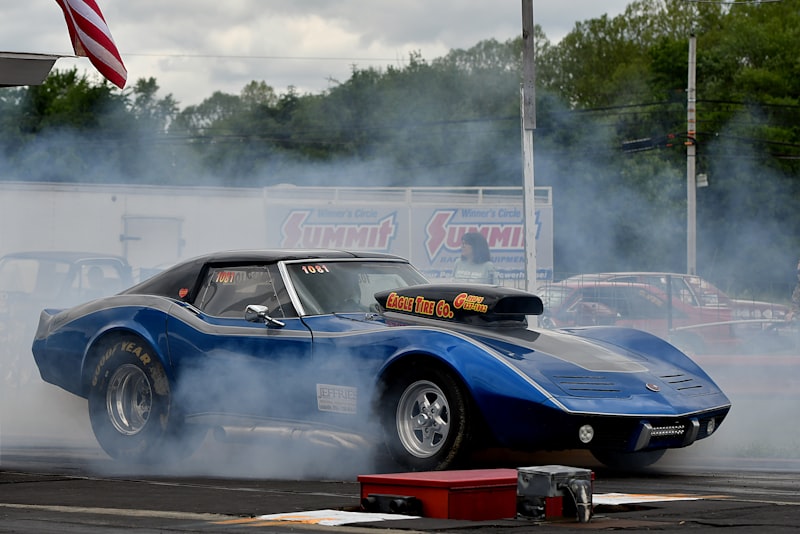
High horsepower is wasted if the chassis and drivetrain cannot handle it safely and efficiently. In dedicated drag competition builds, the entire car is built to withstand — and use — extreme power.
First, chassis and roll cages follow SFI and NHRA standards. A full tube chassis with multiple cross braces, floor plates, and gussets strengthens the shell. This prevents chassis twist and unwanted flex, especially under hard launches.
Next, suspension setup is tailored for drag racing weight transfer. Four-link rear cages, double-adjustable shocks, and anti-roll bars help maximize traction. In addition, many top builds use billet suspension arms and rod ends for both strength and fine adjustment.
Drag slicks are a must for full competition cars. Radial and bias-ply choices depend on class. Wheelie bars, chute mounts, and beadlock wheels are designed specifically for 1,000+ hp launches.
The drivetrain requires special attention. Purpose-built racing transmissions (such as Liberty or Lenco units) handle repeated drops from 2,000+ lb-ft of torque. Similarly, aftermarket driveshafts, quick-change rear ends, and billet yokes prevent failure on track.
Safety is never sacrificed for speed. Arm restraints, fire systems, window nets, and layered fire suits are all required for serious builds. Because of this, racers survive even when things go wrong.
Power Management and Launch Control
Horsepower is nothing without control. In fact, traction and launch control systems are used by almost all pro teams in 2026. Stand-alone units detect tire slip and automatically reduce power for optimal launch. Staging control, transbrakes, and delay boxes help maintain consistency between rounds.
Finally, ongoing chassis scaling and four-corner weight checks are essential. As a result, teams ensure every ounce of added power goes directly to traction rather than wasted in wheel spin or chassis twist.
Advanced Tuning and Maintenance Strategies for Peak Performance

Reaching maximum horsepower is only half the race. Maintaining it run after run is just as important in drag competition. Therefore, smart tuning and strict maintenance routines set top teams apart.
Engine tuning goes well beyond simple air/fuel adjustment. Competitors use wideband oxygen sensors, EGT probes, and cylinder pressure monitoring for each pass down the strip. Data is analyzed after each run to spot trends and adjust for conditions.
Tuning strategies in 2026 often include:
- Wideband closed-loop correction for stable AFR
- Incremental ignition timing adjustments based on track temp and density altitude
- Custom boost curves mapped to launch, mid-track, and top end
- Logging and adjusting per-cylinder fuel or ignition as needed
Regular maintenance includes leak-down and compression checks, teardown inspections for bearings and valvetrain, and chemical analysis of oil for early signs of wear. In fact, many teams swap engines or rotating assemblies several times a season as preventive action.
Software now plays a bigger part than ever. Cloud-based tuning and remote monitoring allow engine builders or specialist tuners to check data in real-time, even from halfway across the world. This means issues are caught and fixed before costing a race.
Owning dyno time is another tool for the competitive edge. Chassis dyno sessions let teams simulate runs and catch issues before track day. Additional wind tunnel testing is used by top-tier teams for aero gains, reducing drag and increasing speed for the same horsepower output.
Conclusion

In summary, learning how to increase horsepower for drag competition builds in 2026 means more than just adding bigger parts. It requires a balanced, methodical approach from engine internals and power adders to supporting systems and data-driven tuning.
Competition builds face fierce demands. Therefore, only the best parts, smartest tuning, and careful chassis work deliver repeatable and reliable wins on the strip.
Ready to take your drag car to the next level? Invest in a solid engine foundation, efficient fuel and cooling systems, and optimized electronics. Don’t forget to match all upgrades with a bulletproof chassis and safety equipment.
For more detailed drag racing guides and technical write-ups, explore ecredexa.com’s Competition Builds section and stay current with top trends throughout the 2026 season.
Leave a Reply