


Understanding o que é um motor turbo alimentado is key for any drag racing enthusiast or engine builder. This guide gives you a deep dive into turbocharged engines, their role in racing, and how to get the most out of them while protecting reliability.
Turbocharged engines have reshaped the way racers build and tune for maximum power. By forcing more air into the engine, turbo systems can double or even triple horsepower, making them a favorite in racing. However, maximizing performance and reliability requires careful control over every part of the system.
This article will focus on turbocharged engine basics, turbo kits, internal upgrades, fueling, ignition, and tips to keep your drag car reliable at high boost. If you want the edge on the strip and need more power without sacrificing reliability, keep reading.
O Que é um Motor Turbo Alimentado? Turbocharger Basics Explained

To begin, o que é um motor turbo alimentado translates as “what is a turbocharged engine.” In simple terms, a turbocharged engine uses a turbocharger to push extra air into the combustion chamber. This means more oxygen, which allows for more fuel and, in turn, more power.
A turbocharger is made of two main parts: the turbine and the compressor. The turbine sits in the exhaust stream. When hot exhaust gas blows past the turbine, it spins. This action turns the compressor on the other side, which sucks in and compresses air before pushing it into the engine.
Because of this forced airflow, the engine breathes more efficiently compared to natural aspiration. With proper fueling and spark, turbocharged engines can easily reach output levels far above their original design.
For example, stock inline-four engines making 150 horsepower can be pushed to over 400 horsepower with a well-designed turbo kit. In drag racing, it’s common to see V8 turbo builds pushing 1,000+ horsepower reliably.
It’s important to note that a turbocharger does not directly make power. Instead, it enhances the engine’s ability to burn more fuel by increasing the air it can inhale. Think of it as giving your engine a “deep breath” every time the throttle opens.
In addition, controlling heat and boost levels is essential to prevent engine damage. Turbo kits often come with intercoolers, wastegates, and blowoff valves to keep pressure and temperature under control.
For more on how turbochargers work, check this technical guide at How a Turbocharger Works (Explain That Stuff).
Key Turbo Terms and Their Role
Because turbo systems add complexity, several critical terms are essential for racers:
- Boost: The extra air pressure created by the turbo above atmospheric pressure, measured in psi or bar.
- Lag: The slight delay in power response as the turbo spools up.
- Intercooler: A device that cools the air entering the engine after compression, increasing power and reliability.
- Wastegate: Controls the maximum boost pressure by letting exhaust bypass the turbo.
Understanding these concepts is crucial for safe tuning and race-day performance.
Turbo Kits, Engine Internals, and Choosing the Right Setup for Drag Racing
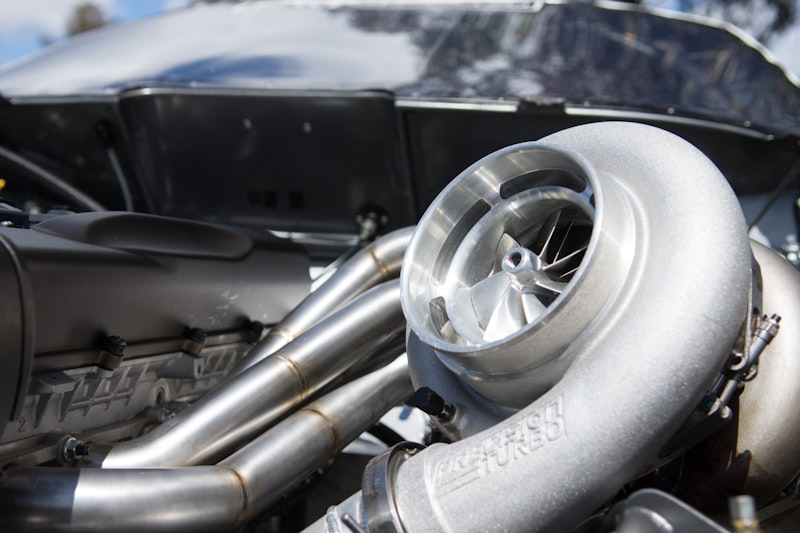
For racers wanting to add forced induction, choosing your turbo kit and internal parts carefully is crucial. Not every engine can handle high boost on stock parts. This section explains which components you should address to build a reliable drag racing engine.
First, let’s discuss turbocharger selection. The size and design of the turbo should match your racing goals. Smaller turbos spool up quickly but may run out of breath at high rpm. Larger turbos make more top-end power but may have more lag. For example, Garrett’s GTX and G-Series turbos are popular for making 700-2000+ horsepower in drag applications, while BorgWarner EFR models emphasize fast spool and reliability.
Internal engine upgrades are critical. Stock pistons and rods often can’t tolerate high cylinder pressures caused by boost. Forged pistons, connecting rods, and even crankshafts should be installed for engines running above 15-20 psi of boost. In fact, failure to upgrade these parts is a primary reason why turbocharged engines break under racing stress.
Cylinder head sealing is another vital focus. Multi-layer steel (MLS) head gaskets, stiffer head bolts or studs, and even reinforced blocks may be necessary for engines running more than double their stock boost pressure.
In addition, oil supply and cooling must be addressed. Turbochargers run extremely hot and require robust oil flow. Upgrading the oil pump, using proper turbo oil lines, and sometimes fitting an oil cooler are standard practices.
For those curious about real-world examples, the Engine Builder Magazine offers case studies of drag cars that multiply their stock output with turbo kits and correct internals.
Finally, always remember: turbocharging turns your engine into a system where every part — from pistons to sensors — matters for durability and output.
Boost Control, Fueling, and Ignition: Maximizing Power Safely
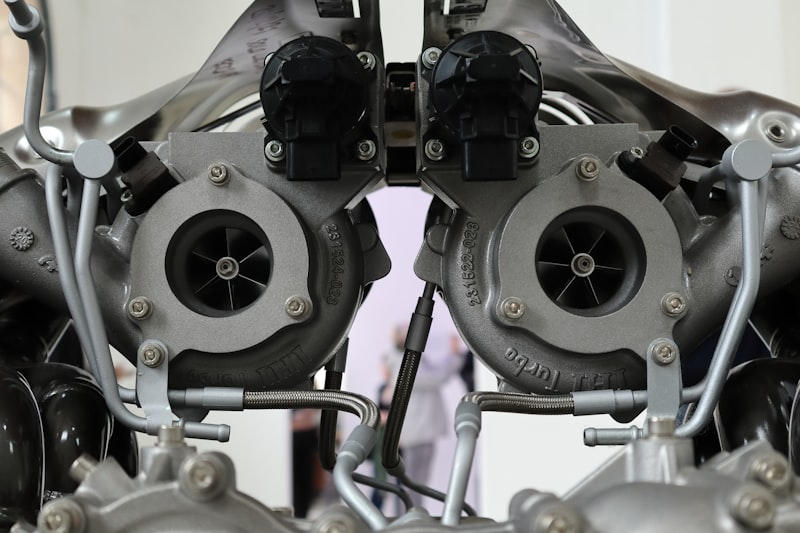
Once you’ve selected your turbo kit and built a strong bottom end, you must focus on boost control, fueling, and ignition. These three factors are make-or-break points for both performance and reliability.
Boost control is usually handled by a wastegate. Manual boost controllers are simple and cheap, letting you dial in your target pressure with a knob. However, for precision and safety, most racers choose electronic boost controllers. These can control boost based on gear, rpm, or even track conditions, which can mean the difference between a clean launch and blowing the tires off at the start.
Fueling in a turbocharged drag racing engine must always be rich enough to avoid engine damage. Turbo engines need more fuel under boost. High-flow injectors, upgraded fuel pumps, and sometimes secondary fuel systems are used for high-horsepower builds. In fact, running too lean is a leading cause of engine failure under boost.
Proper engine management systems, or standalone ECUs, are highly recommended. They give you control over fuel maps, ignition timing, and boost, allowing custom tuning for every scenario. This level of control is essential, especially for engines making more than double or triple their original horsepower.
Ignition timing must also be adjusted for turbo use. Under boost, the air-fuel mixture burns faster and can cause knock (detonation), which destroys pistons and rods. Therefore, tuners retard the ignition timing under boost. Knock sensors and careful dyno testing help ensure safe operation.
Because drag racing engines spend most time at full throttle with little airflow over the radiator, cooling systems, intercoolers, and oiling are even more important. Upgrades to all these systems are highly recommended.
As an example, many Outlaw and Pro Mod drag cars use multiple stages of boost control, dual fuel pumps, and tunable ECUs to extract 2000+ horsepower from V8 engines, all while keeping detonation at bay.
Turbocharged Engine Reliability: Tips and Best Practices for Drag Racers
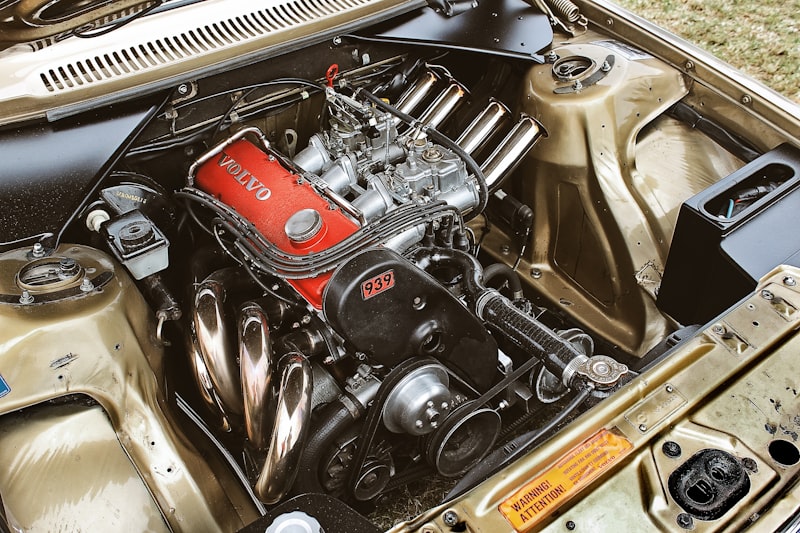
With great power comes new challenges. Drag race engines running high boost are under extreme stress. Therefore, reliability must be as much a focus as performance.
Start with quality parts. Cheap turbo kits often use thin materials or poor-quality castings, which can warp or break under pressure and heat. Therefore, always choose reputable manufacturers for turbos, wastegates, and related hardware.
Regular engine inspection is vital for racing engines. Before each event, check for oil leaks, turbo shaft play, and signs of head gasket wear. Monitoring your air/fuel ratios with wideband lambda sensors in real time can prevent expensive failures.
Oil and coolant must be monitored closely. Because drag engines can see massive internal pressure, weak points will appear quickly. For example, many racers run thicker oil grades, change oil after every event, and flush cooling systems regularly.
Intercooler function is often overlooked but is crucial for turbo reliability. High intake air temperatures make knock more likely and kill power. Therefore, always check intercooler hoses for leaks and consider upgrading to larger, more efficient air-to-air or water-to-air intercoolers as your power goes up.
Blowoff valves and wastegates need regular cleaning and servicing. If either fails, you can see boost spikes or compressor surge, both of which are dangerous for the engine.
Finally, always tune conservatively for reliability. Chasing every last horsepower often ends in broken parts. Leaving a buffer in your boost and fueling targets will keep your engine alive for more seasons.
For further reading on turbo reliability, see Engineering Explained’s turbo longevity tips.
Conclusion
In summary, understanding o que é um motor turbo alimentado is essential for anyone interested in drag racing and building high-power engines. Turbocharged engines allow massive gains in performance by forcing more air and fuel into the combustion chamber. However, extracting reliable power requires careful selection of turbo kits, internal engine upgrades, precise boost control, and thorough attention to fueling and ignition.
If you’re seeking better times on the strip while protecting your investment, take turbo setup and reliability seriously. To learn more or start your own turbo build, check our other technical guides here at ecredexa.com. For specialized advice, consult with experienced tuners, and always prioritize safety and preparation over raw output.
Ready to boost your drag car into the next level? Start planning your turbocharged build — the right way!
Leave a Reply