

Knowing how to transition from amateur to pro racing can seem like a big challenge at first. For any dedicated enthusiast, climbing from weekend bracket events to national pro series is both thrilling and demanding. The journey takes planning, persistence, and a solid grasp of classes, rules, and skills. Saiba mais sobre What to Expect in.
In this guide, you’ll learn actionable steps to move up the drag racing ladder. We’ll break down classes, licensing, and the real-world skills you need. Understanding the process will help you avoid common mistakes and focus your energy for success.
Whether you race for the love of speed or dream of the pro stage, this article lays out the real requirements. You’ll get relevant examples and sources to guide your racing future.
Understanding Drag Racing Classes and Professional Categories
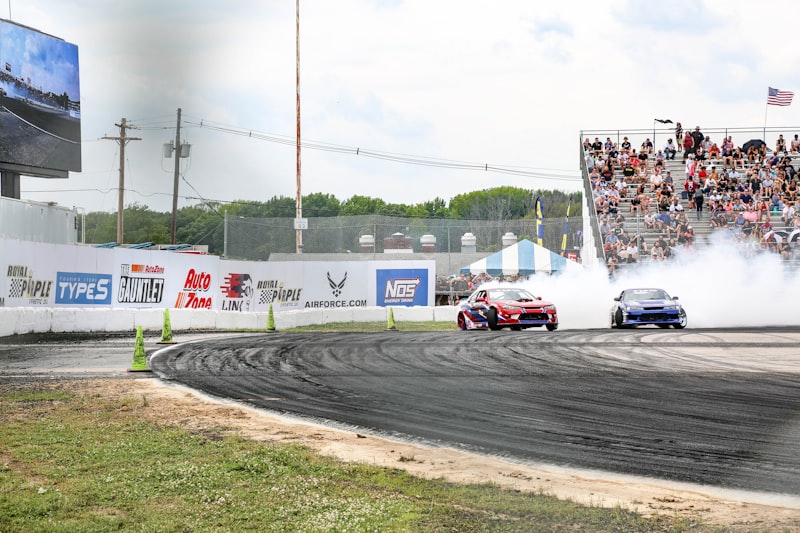
To know how to transition from amateur to pro racing, you must start by learning the class system. Drag racing is built on well-defined categories that create a fair level of competition. Each class has strict rules about vehicle build, engine size, safety, and entry requirements.
In most amateur events, you’ll find bracket racing or street-legal classes. Here, cars range from daily drivers to mildly upgraded imports or domestics. These events focus on consistency, novice safety, and fun. Entry fees are lower—often $30–$100 per event. Almost anyone with a valid driver’s license and a helmet can join.
As you show skill, you may look at classes with more structure. Examples include Super Pro, Stock, and Super Stock. Each has clear rules on engine modifications, electronics, and minimum ETs (elapsed times). For example, NHRA’s Super Stock class sets strict limits on vehicle year, weight, and parts. This also means the tech inspection becomes more detailed. Source: NHRA Competition Classes
To reach the pro ranks, racers target the top drag classes:
- Pro Stock
- Top Fuel Dragster
- Funny Car
- Pro Mod
- Specific roll cage construction and SFI certifications
- Mandatory five or seven-point harnesses
- Fire suits, helmets, gloves, and head-and-neck restraints (all SFI-rated for certain classes)
- Parachutes for vehicles exceeding 150 mph in a quarter mile
- Engine diaper or catch pan (to prevent leaks on track)
- Submitting racing history and medical forms
- Completing three supervised full runs in a legal Pro Stock car
- Receiving evaluations from two certified drivers
- Paying fees and keeping insurance coverage current
Each pro division brings tougher competition. For instance, Top Fuel cars reach speeds over 330 mph and finish a quarter mile in about 3.6 seconds. Success here demands deep knowledge of both driving and advanced car setup. The jump from amateur to pro means more than going faster—it’s about discipline, sponsorships, and understanding complex rules.
Because of this, the first step is always to match your current skills with the right class. In fact, most successful pros started with consistent wins in sportsman brackets. They gained respect and learned what class rules truly matter. Carefully track your progress, and always aim to build your knowledge of race classes and how professional ladders operate.
Moving Up the Ladder: From Bracket Racing to Heads-Up Competition
Once you master bracket racing, focus shifts to heads-up events. Here, the car that crosses the finish line first wins—no brackets or handicaps. This approach tests not just the driver’s reflexes but also the car’s power and reliability. As a result, heads-up events tend to cost more and draw bigger crowds.
Pro ladders often build talent from regional heads-up series. For example, the NHRA and ADRL both watch these classes for new potential pros. Participating in heads-up races prepares you for pro-level contests and shows scouts what you can do on a true performance scale.
Essential Skills and Training for the Move to Pro Racing
Knowing the pathway is important, but you also need key skills to climb the pro racing ladder. Transitioning from amateur events to pro classes is about much more than driving fast in a straight line.
First, strong technical knowledge is critical. Learn every aspect of your car’s setup—engine tuning, tire types, suspension, weight balance, and safety mechanisms. Pro teams expect you to dissect data and make adjustments each round. In fact, many successful racers work directly with crew chiefs to fine-tune their setups run by run.
Second, practice your reaction time relentlessly. In drag racing, a 0.050-second delay off the starting line can make or break a race. Use practice trees or simulation apps to improve your reflexes. Attend regular test-and-tune nights at local tracks, which professional scouts also frequent. Consistent reaction times are often a bigger pro selling point than raw speed alone.
In addition, develop communication and leadership skills. Pro teams are much larger than local amateur crews. You’ll work with engine builders, sponsors, mechanics, and PR staff. In other words, you must be able to clearly explain issues, direct a pit crew, and support your team’s goals. Pros often handle media duties as well—giving interviews and representing sponsors.
Finally, invest in professional licensing and driver education. Organizations like NHRA require a competition license for their pro classes. This means passing a medical check, showing experience at lower levels, and making a set number of clean runs under supervision. The process can be slow, but it is designed for safety and shows your commitment to the sport.
Practical examples show that drivers who train with established pro teams during off-seasons learn faster. For instance, many up-and-coming racers attend classes run at facilities like the Frank Hawley Drag Racing School. These courses focus not only on driving, but also mental approach, safety, and how to speak with sponsors.
Because of this, aspiring pros who put in the effort on skills, training, and communication often stand out when it’s time to move up.
Understanding Regulations and Safety Requirements
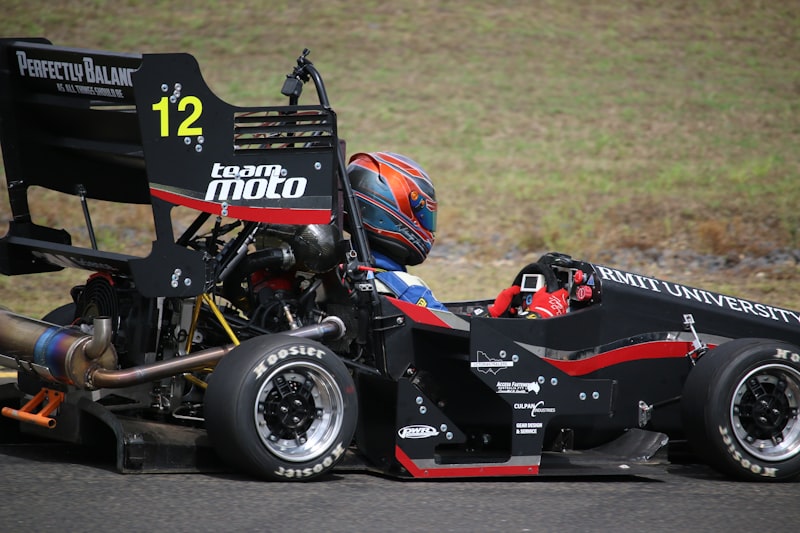
If you want to know how to transition from amateur to pro racing, you must pay close attention to regulations and safety standards. Pro racing has strict technical and personal safety rules. Understanding and applying them is essential if you aim to compete at the next level.
First, let’s look at vehicle safety. Top pro classes follow NHRA or similar rules that include:
Officials inspect each car for compliance before every event round. Non-compliance leads to disqualification, and repeat violations can affect your racing license. As a result, make safety upgrades part of your journey up the ladder.
In addition, you’ll need to provide your medical history. Most pro organizations demand vision tests, heart checks, and proof that you can safely handle high g-forces. This protects both drivers and fans. For example, NHRA needs all pro drivers to submit medical forms annually and renew their competition licenses.
There are also regulations about crew and pit areas. For example, everyone in the pit must wear fire-proof clothing during refueling. Many pros train their teams using rulebooks available from NHRA or SFI Foundation. Staying informed on monthly regulation updates is crucial, because these rules are updated each season.
The administrative side has rules, too. When you reach the pro level, you’ll register vehicles with unique chassis numbers, display sponsor decals, and comply with data-logging and timing equipment regulations. Mastering these processes shows officials you’re serious and allows you to move smoothly through registration, tech inspection, and event check-ins.
Pro racing also means you must follow anti-doping and conduct codes. The sport enforces rules about banned substances and ethical behavior at events and on social media. This ensures a level playing field for all participants, which is essential as media coverage expands in 2026.
By preparing your car and your personal credentials, you increase your odds of passing inspections and standing out as a responsible racer ready for the pro stage.
Building Sponsorships, Networking, and Financial Backing
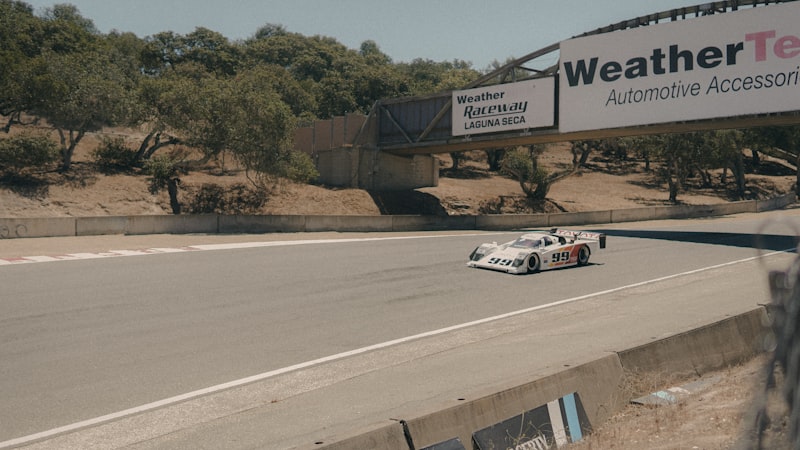
No guide on how to transition from amateur to pro racing is complete without discussing the financial side. Racing in pro classes is costly. For example, a single Top Fuel season can cost over $3 million, while Pro Stock teams may need $500,000 to $1 million for a national campaign.
Because of this, sponsorship is a major part of the pro journey. At the amateur level, you may self-fund or rely on small local sponsors—shops, tire dealers, or friends. Moving up, you need to approach established brands, auto parts companies, and national names.
Start building your sponsorship pitch early. Create a racing resume with your wins, personal story, and a strong presence on social media. For example, pro teams look for racers who show professionalism both on and off the track. Use photos, race recaps, and video content to display your skills and engage fans. This gives sponsors real value and makes you a more appealing investment.
Networking is also vital. Attend national events, trade shows, or clinics run by sanctioning bodies. Even before you reach the pro class, meeting team owners, crew chiefs, and sponsors can lead to opportunities. In fact, many new pros join as backup or test drivers before getting a main seat.
In addition, think carefully about finances. Build a realistic budget that covers car upgrades, transport, entry fees, and travel for the whole season. Use spreadsheets and seek advice from established teams or local business mentors. Many drivers take side jobs, partner with engineering shops, or even crowdfund to support their climb.
It’s important to mention that managing money wisely also means protecting yourself with the right insurance—for both car and driver. Some pro organizations require proof of insurance before allowing entry.
Finally, be persistent but flexible. Sponsorship programs change yearly, and even top racers don’t lock in every deal. In summary, racers who balance networking, finance, and smart promotion find more chances and smoother transitions to pro status.
The Role of Sanctioning Bodies and How to Approach Licensing

The last big step on the road to pro racing is dealing with sanctioning bodies. Groups like NHRA, IHRA, and PDRA control most American drag events. To compete as a pro, you must meet their criteria for licensing and registration.
First, get familiar with each organization’s pro ladder. Most sanctioning groups require you to hold a “Competition License” specific to your targeted class. This means passing written exams, completing a set number of observed passes, and sometimes attending safety seminars.
For example, NHRA Pro Stock licensing involves:
Other organizations follow similar processes but may differ in paperwork or requirements. Always check the latest information on their official websites.
In addition, keep good records of your racing achievements. Most bodies want proof of results in lower classes as you climb. They may ask for event logs, win slips, or letters from track officials confirming you can handle higher speeds and power.
Because pro racing is high profile, expect closer oversight on rules, communications, and even personal conduct. Licensing approval gives you permission to race. However, your spot is always subject to review for rule violations or unsafe actions.
Approaching the licensing challenge with care is important. Complete each step as soon as you qualify and keep certifications up to date. For the most current licensing details, check this resource: NHRA Competition License Info.
Conclusion

Moving from amateur to pro racing takes more than speed. To succeed, you need to understand class rules, train your skills, meet strict safety standards, and manage both money and sponsorship. Learning how to transition from amateur to pro racing is a step-by-step process—each level builds on the last.
Focus on winning at your current class and network widely. Invest in equipment, study the technical side, and respond quickly to new regulations. With hard work, persistence, and a clear plan, you can stand out in any drag racing field.
Start today. Prepare your car and your mind. The path to becoming a pro racer is within your reach.
Leave a Reply