


This step by step drag racing tutorial will help you get started at your first race or test-and-tune night. Drag racing might look simple, but being prepared helps you race safely and confidently.
In this entry-level guide, you’ll find everything you need as a beginner. You’ll discover what to bring, how to prep your car, and how to run the quarter-mile at your local drag strip. Read on to make your first experience both fun and safe.
What Is Drag Racing and What to Expect at Your First Event
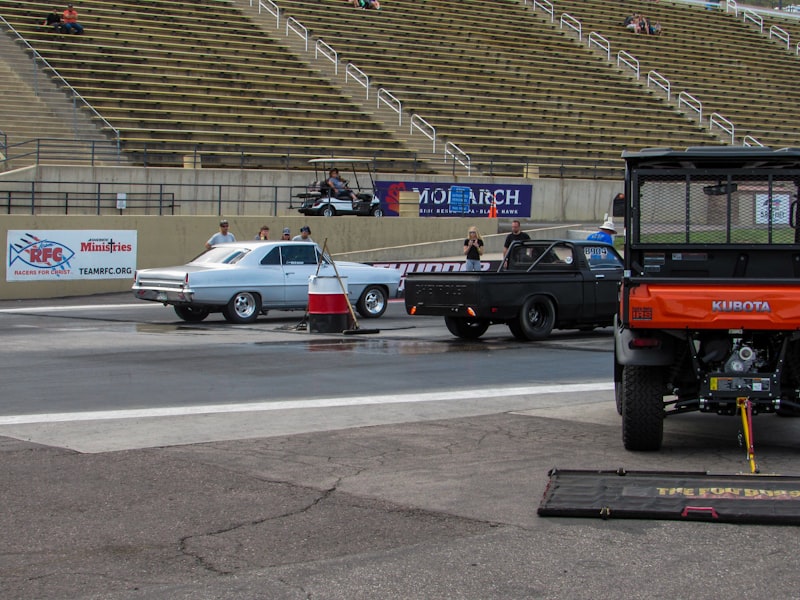
Before you dive into the world of drag racing, you need to understand what makes this sport unique. Drag racing is a type of motor racing where two cars line up side by side. Both vehicles race straight for a set distance, often a quarter mile (or one-eighth mile for some venues). The goal in drag racing is simple. Whoever crosses the finish line first wins.
You may see official “race days,” “test-and-tune” nights, or “fun runs” at your local track. Beginners often start at test-and-tune sessions. These are open to newcomers and let you practice racing without pressure. Therefore, they’re the perfect place to learn. The atmosphere on a first night is usually relaxed. You’ll find racers of all ages and types of vehicles. Some arrive with muscle cars, others with family sedans or daily drivers. Veja tambem: Basic Drag Racing Terminology Explained: A Beginner’s Guide.
At your first race, safety is a top priority. Tracks enforce guidelines for things like helmets, seatbelts, and tire condition. You’ll also find that every track has its own set of rules. Most require a driver’s license and closed-toed shoes. In addition, many tracks offer free basic tech inspections for new participants.
If you’re new, staff and experienced racers are often willing to answer questions. This type of community support can ease your nerves. Don’t be afraid to approach someone and ask for help. First-timers are welcome, and most tracks encourage safe, entry-level racing.
For more details about drag racing rules and safety, you can check the National Hot Rod Association (NHRA) beginner’s guide.
In summary, your first event is all about learning. Therefore, focus on following the rules, enjoying the atmosphere, and getting familiar with racetrack etiquette.
How to Prepare: Car, Gear, and Registration Basics

The most important step before heading to your first track event is preparation. Good prep will make your experience smoother and safer. Here is how you can get ready.
First, decide which car you want to race. At beginner nights, you can use any street-legal car that passes a simple inspection. Check the basics: Make sure your tires are in good shape, your brakes work well, and your seatbelts are secure. In addition, check your fluid levels and ensure nothing is leaking under your car.
Many tracks require a helmet for drivers of cars running faster than 14 seconds in the quarter mile. Basic test-and-tune nights may have loaner helmets, but it’s better to bring your own if you can. You don’t need a race suit for street-legal cars at most events. However, wear long pants, closed-toed shoes, and a T-shirt that covers your shoulders.
Next, gather important documents: your driver’s license, car registration, and proof of insurance. Some tracks may ask for these at sign-in, so have them handy. In addition, bring cash for entry fees and snacks or drinks for yourself.
Once at the track, you’ll sign a waiver and pay your entry fee (usually $20-$40 for beginners in 2026). Then you’ll get a wristband or card to show you’re a registered participant.
Your car will go through a tech inspection. Inspectors will look for basics like secure batteries, seatbelts, working lights, and the general condition of tires. As a result, they keep everyone safe. Most cars that pass state safety inspections will also pass at the track. However, race-only vehicles or those with modifications may need further checks.
For a quick checklist before you leave home:
- Tire pressure and tread: Check and adjust as needed
- Brakes: Firm pedal, no leaks
- Battery: Secured, terminals tight
- Fluid leaks: None under car
- Seatbelts: Working and secure
- Lights: Headlights, brake lights, tail lights all working
Because of this, you’re less likely to be turned away or delayed during tech.
After you pass inspection, you’re ready to line up for your first run. Relax, watch other beginners, and learn from their routines.
Step by Step Drag Racing Tutorial: Making Your First Pass
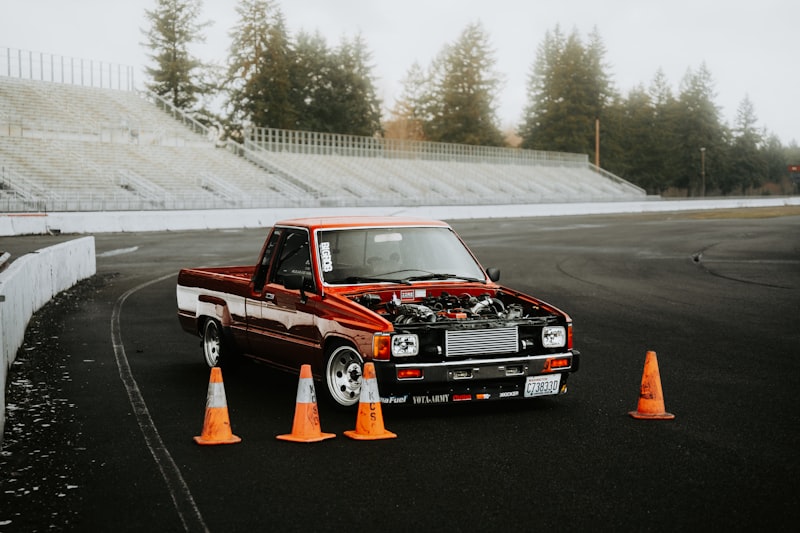
Your first trip down the drag strip is exciting. With this drag racing guide, you’ll be ready for every step, from staging to crossing the finish.
1. Line Up and Staging
Once your car passes tech, drive to the staging lanes with your registration card. Track staff will call racers by class or run order. Most beginner events have open staging. Listen for instructions over the loudspeaker.
When it’s your turn, track workers will direct you to the burnout area. For street tires, skip the burnout. Just drive straight to the start line. Burnouts are only needed for drag slicks or high-performance tires.
Next, you’ll see the “Christmas tree”—the vertical tower of lights at the starting line. Pull up until the first set of small white lights (“pre-stage” bulbs) come on. Inch forward a bit until the “stage” lights appear. Most beginners take their time here, as nervous movement is common. As a result, stay calm, and use your brakes to hold the car in position.
2. The Start
When both cars are staged, the starter will begin the countdown lights. Amber bulbs flash in sequence, followed by a green light. Don’t wait to see green before you go. Reaction time is measured from green, so when you see the last amber, start to launch. This practice can shave tenths off your time and help avoid “sleeping” at the light.
If you jump early and leave before green, the red light will come on. This signals a foul start, but for beginners, it’s common and not a big deal. At test-and-tune events, there’s no penalty other than a note in your time slip.
3. The Run
Accelerate as straight as possible down the track. Stay in your lane—do not swerve or change lanes. Street cars do not need to shift manually unless you drive a stick shift. On automatics, floor the pedal and let the car handle shifting.
Keep your eyes forward, and do not race the car next to you. Focus on your own line. Most tracks post speed limits for beginners to keep runs under control (such as 100 mph for first-timers in 2026). In addition, yield to track staff as needed.
4. The Finish
As you cross the finish, lift your foot off the gas and brake gently. Many first-timers get caught up in the excitement and brake too hard. Therefore, ease down smoothly, and look for exit signs or track workers who will wave you off.
Return to the pit area and collect your time slip. This slip will show your reaction time, elapsed time (ET), and trap speed. Review your numbers and look for places to improve. Reaction time and ET are most important for beginners learning the ropes.
Tips to Improve Your Drag Racing Skills as a Beginner

Getting faster in drag racing isn’t just about horsepower. Technique, consistency, and practice matter much more for entry-level drivers at their first events. Here are tips that will help you get better after your first pass.
Learn from Every Run
Keep each time slip and write down track conditions and what you did on that run. For example, note your tire pressure or any changes in shifting. Small notes add up over several races and help spot trends. In fact, some racers use a notebook or smartphone app for this purpose.
Pay attention to your reaction time. Many beginners lose a second at the start line by responding late to the tree. Therefore, practice your staging skills. Line up the same way every time. Breathe slowly and focus on the lights, not the car next to you.
Smooth Is Fast
When launching, don’t just “floor it” and spin the tires. For street cars on street tires, a smooth roll onto the throttle is better. If you feel the wheels spinning, try slightly lowering your tire pressure (for example, 28 psi instead of 35). However, always stay within safe limits set by your tire manufacturer.
If you have a manual car, practice your clutch release. Quick but smooth action (not dumping or slipping too long) can cut tenths from your time. In addition, shifting at the right rpm helps most street cars. Too early or too late both hurt your ET.
Ask for Advice
Don’t be afraid to ask other racers for help. Many experienced drivers are happy to share launching tips, tire tricks, or suggest ways to stay calm at the line. Local racers are the best source for advice on your specific track’s surface.
Finally, observe track conditions as they can change throughout an event. First runs of the night are often cooler and faster than late runs. Because of this, keep notes on weather and how your car performs.
Safety and Consistency
Safety comes first, no matter your skill. Always check your car between rounds. Watch for leaks, loose lug nuts, or warning lights. In fact, many tracks (and insurance policies) require you to do this check after every run.
Consistency is more important than fast times at first. When you can repeat the same ET within one or two tenths over several runs, you’re ready for more advanced racing classes.
For more advice on safe entry-level racing techniques, see the NHRA’s “Learn to Drag Race” resources.
Essential Drag Racing Etiquette and Track Rules
Following basic etiquette helps new racers fit in and stay safe. Racetracks have rules to keep events running smoothly. Understanding these will make your first event less stressful.
Respect the Staging Lanes
Don’t block other cars. Park in straight, organized lines. If you’re not sure where to stage, ask staff. In addition, wait for your class or lane call before moving forward.
Keep windows up, seatbelts on, and helmet ready while in line. Have your registration visible for tech staff.
Listen to Track Staff
Track employees run everything from inspecting cars to starting races and clearing the track. Listen for loudspeaker announcements and follow any directions given by flaggers or starters. If you miss an instruction, politely ask for clarification. Most regulars appreciate a new racer who asks before doing something risky.
Be Courteous to Other Racers
Wait your turn in line, and don’t jump ahead. Offer help if someone nearby is struggling, such as lending a tire pressure gauge or wrench. This builds camaraderie and makes the experience more enjoyable for everyone. In fact, many drag racing friendships start in the staging lanes.
Never trash the pit area. Pick up your tools, trash, or spilled fluids. Many tracks can fine or ban racers who neglect this responsibility.
Safety and Legal Tips
Obey all pit area speed limits, which are often 10 mph or lower. No burnouts or “showing off” unless directed by track staff, as safety comes first. If your car is having mechanical trouble, alert a worker or tow it off the track. Never race if you feel unwell or under the influence.
Always check the specific track’s website for posted rules and insurance coverage before you go. These may change in 2026 as track operators respond to new safety trends.
In summary, respect the rules and your fellow racers, and you’ll have a smooth and fun night.
Conclusion
Drag racing is one of the easiest and safest ways to enjoy motorsports for beginners. This step by step drag racing tutorial breaks the process into clear actions. By preparing your car, knowing what to expect, and learning basic technique, your first event can be stress-free.
Focus on safety first. Then practice launching, staging, and reading your time slip. Ask questions at the track and take notes after each run. In other words, each lap is a chance to improve.
If you want to know more, visit the NHRA website for up-to-date beginner guides and event calendars. Get ready, and enjoy your first night at the drag strip. See you at the start line!
Leave a Reply