

If you want to be competitive, knowing the top modifications for street drag racing is vital. These upgrades make your car quicker, safer, and still street-legal.
Street builds, like those featured on ecredexa.com, offer a balance of speed and practicality. You can drive to work on weekdays and race at the strip on weekends. However, many first-time drag racers are unsure where to begin. This guide covers essential upgrades for street-driven drag cars, focusing on budget builds and real-world projects.
The best mods maximize performance but keep your car legal for the street. We’ll break down each area: power, traction, safety, and tuning. You’ll see why each is important and get practical tips for your own street build.
The Top Modifications for Street Drag Racing: Building Power and Performance
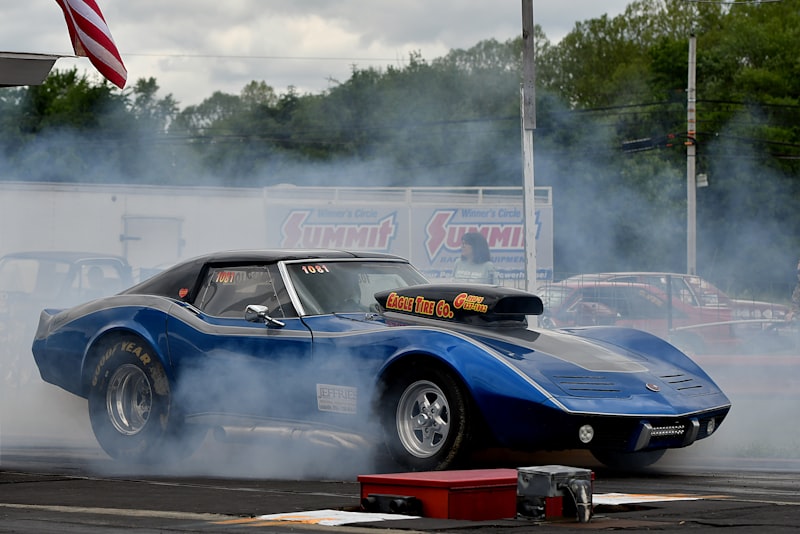
The heart of street drag racing is making power. For entry-level street/strip builds, small changes can give big results. Engine upgrades are the foundation of nearly every fast street car. Veja tambem: How to Tune a Street Drag Car: Ultimate Guide for Street Builds.
Intake and Exhaust Upgrades
Let’s start with airflow. More air in and more air out makes more power. Therefore, a high-flow cold air intake is one of the easiest upgrades. Cold air is denser, and more oxygen means better combustion. In fact, testing from Hot Rod Magazine shows up to 10–15 horsepower gains from a quality intake.
On the exhaust side, a cat-back exhaust system flows much better than stock. This reduces backpressure, lets your engine breathe, and sounds great. For most street builds, keep the catalytic converter for legal street use. However, high-flow cats are a good upgrade that meets emissions and improves flow.
ECU Tuning (Chip or Flash)
Once the engine breathes easier, ECU tuning brings it all together. Modern cars use computers to manage fuel, spark, and more. A tune adjusts key settings for more power and torque. For example, many street cars show gains of 10–30 horsepower just from a tune. Tuning also optimizes shifts on automatics.
For budget-minded racers, handheld tuners or plug-in chips are simple options. Advanced tuners allow more custom settings, but local laws may limit what is legal for street use.
Forced Induction Basics
If your budget allows, adding a supercharger or turbocharger is a major step up. Forced induction pushes more air into the engine, making much more power. However, this is a bigger job and costs more—many first builds start with bolt-ons and tuning first. It’s a good idea to upgrade supporting parts (fuel injectors, stronger head gaskets, better cooling) before going forced induction.
In summary, building power starts with improving your car’s breathing, basic tuning, and sometimes taking it to the next level with boost. Each step adds performance while keeping your car street-ready.
Suspension and Traction: Getting Power to the Ground
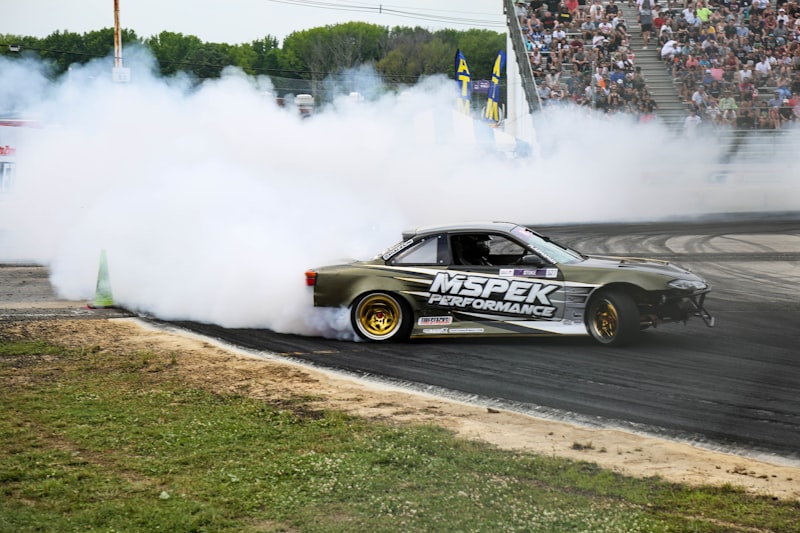
More power doesn’t help if you can’t put it down. That’s why traction upgrades are a must for any successful street drag racing car. Suspension improvements make a huge difference, especially for street builds with real-world conditions.
Upgrading Tires and Wheels
Start with tires. Drag radials are street-legal but offer much more grip than standard all-seasons. For example, a set of Nitto NT555RII or Mickey Thompson ET Street tires can drop your 60-foot times by several tenths. In addition, lightweight wheels reduce rotating mass and help acceleration.
However, stay within street-legal wheel and tire sizes for your area. Avoid slicks for street driving—drag radials offer great performance but remain safe (and legal) for daily use.
Suspension Components for Street/Strip
Next, upgrade the suspension. Stiffer rear springs, quality shocks, and traction bars help launch harder at the strip. Adjustable coilovers work well because you can set ride height and damping. This means the car stays comfortable during normal driving, but you can stiffen it for racing.
For rear-wheel-drive vehicles, a limited-slip or locking differential is essential. This ensures both tires spin evenly at launch, avoiding one-tire “peg leg” burnouts.
Chassis Bracing and Weight Transfer
Frame connectors and braces reduce body flex—which means all that power gets to the ground. A solid rear sway bar helps keep the car stable. Proper weight transfer makes the rear tires dig in at launch. For example, Fox-body Mustangs and older Camaros often see half a second or more in quarter-mile gains from suspension and tire upgrades alone.
In other words, traction mods make the most of your engine upgrades. A well-tuned chassis can often beat higher-horsepower builds with poor traction. For your first street/strip car, focus on tires and basic suspension first.
Street-Legal Safety Upgrades for Drag Racing
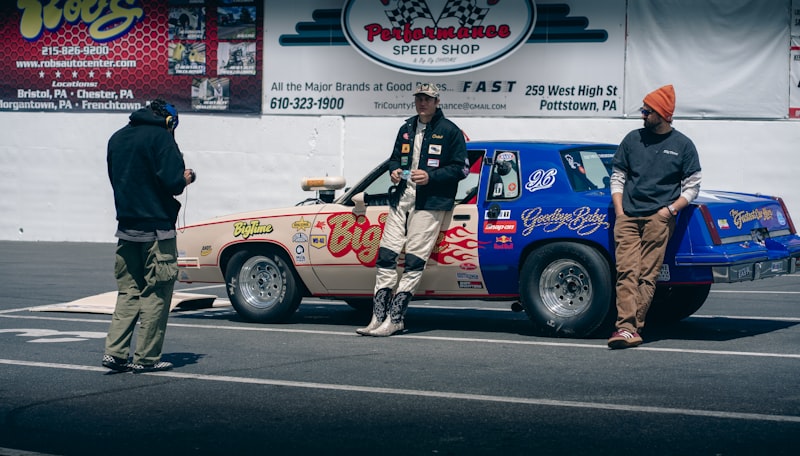
Safety is essential, even in budget-friendly street drag builds. Therefore, adding certain safety features can make the car safer without sacrificing street comfort.
Brakes and Stopping Power
First, improve stopping power. Upgraded brake pads, slotted or drilled rotors, and stainless brake lines give better stopping and resist fade. These upgrades are easy to install but make a huge difference in safety at high speeds.
For example, upgrading to performance pads can shorten stopping distance by 10–20 feet from 60 mph. In addition, good pads and rotors will last longer, even under repeated hard stops.
Seat Belts and Harnesses
Most street cars have standard seat belts. However, a bolt-in racing harness offers more security at the strip. Many harnesses are street-legal and fit factory mounts. It’s best to check state/local laws before installation, as requirements vary.
Fire Safety Equipment
Although you may not expect a fire, it’s smart to carry a small, portable fire extinguisher. Many “drag and drive” events require it. It’s one of the least expensive ways to stay safe and protect your investment.
Roll Bars and Roll Cages
For most budget street builds, a basic roll bar is enough. However, if your car runs very fast (usually under 11 seconds in the quarter mile), most tracks will require a full roll cage. A welded roll cage offers high protection but may make daily driving less comfortable. Always check both local vehicle codes and dragstrip rules before making these changes.
In summary, safety upgrades should never be ignored. Most do not hurt street comfort or appearance, but they offer peace of mind for both racing and daily driving.
Budget Engine and Drivetrain Upgrades for First-Time Drag Racers
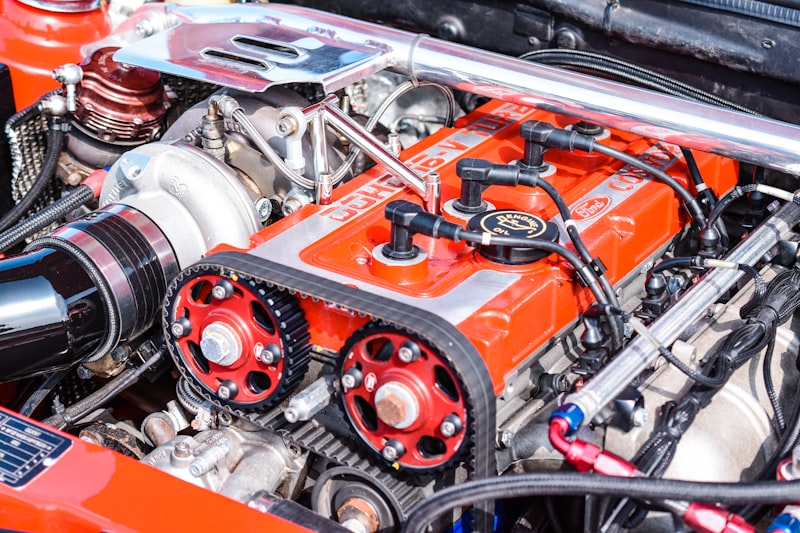
For many new street drag racers, keeping the project affordable is a must. Therefore, simple, smart upgrades can bring real results without breaking the bank. The following changes are popular in the street builds community and often give the best return per dollar.
Cold Start: Spark Plugs and Ignition Upgrades
Start with the basics. High-quality spark plugs and wires improve ignition and reliability. Iridium or platinum plugs often last longer and offer steady spark at high rpm. Upgrading the ignition coil on older cars can also help. These upgrades cost little but make tuning and racing easier.
Transmission and Driveline Reliability
The engine is only part of the equation. You need the rest of the drivetrain to handle more power. Upgrading to a performance clutch (for manuals) or a stronger torque converter (for automatics) lets you launch better. In addition, changing differential gears can improve acceleration.
For example, swapping to a lower (numerically higher) gear ratio can cut quarter-mile times. Many classic Mustangs and Camaros use 3.73:1 or 4.10:1 gears for street and strip fun.
Cooling and Reliability
Improved cooling keeps your car running strong after repeated passes. Therefore, install a larger aluminum radiator or electric fans. Overheating can ruin engines and transmissions, especially under repeated hard use.
For automatics, add an external transmission cooler. Transmission overheating is one of the top failure points on drag builds with more power.
Data and Gauges
Finally, stay informed while driving. Add oil pressure, coolant temperature, and wideband air/fuel gauges. You can spot issues before they get serious. Digital dashboards and OBD-II apps (like Torque Pro) make this easy and affordable for modern cars.
In short, many small upgrades make a big difference. They increase both speed and long-term reliability. Budget-friendly projects focus on these basics before jumping into expensive, high-end parts.
Fine-Tuning Your Street/Strip Project for Consistent Results
Winning in street drag racing isn’t just about power. You need your car to be consistent and easy to drive both on the street and the strip. Therefore, fine-tuning and regular maintenance are just as vital as major parts upgrades.
Tire Pressure and Alignment
For best traction, adjust your tire pressure for the track. Lowering rear tire pressure increases grip for launches. However, bring it back up for daily driving to avoid uneven wear. A proper performance alignment helps straight-line stability.
Weight Reduction—Within Limits
Shedding excess weight helps acceleration. Remove non-essential items for race day—spare tire, tools, or rear seats (if allowed by law). However, avoid stripping too much, as some pieces are required to remain street-legal.
Practice and Data Logging
Consistent driving form matters. Practice your launches, reaction time, and shift points. Good drivers often beat less-experienced racers despite having less power. Use a drag racing app or GPS timer to track your times. In fact, tools like Dragy or RaceBox Mini offer GPS-verified 0-60 and quarter-mile times. This data helps find where you can improve.
Follow Legal and Local Rules
Finally, always follow state and local laws. Real street builds balance performance upgrades and legal requirements. For example, keep emissions equipment if your area requires it. Many states inspect modified cars, so research what applies to you. This approach keeps you out of trouble and ensures your car can be used both for daily driving and fun at the track.
For more on safe street performance, see National Hot Rod Association Street Legal Policies.
Conclusion
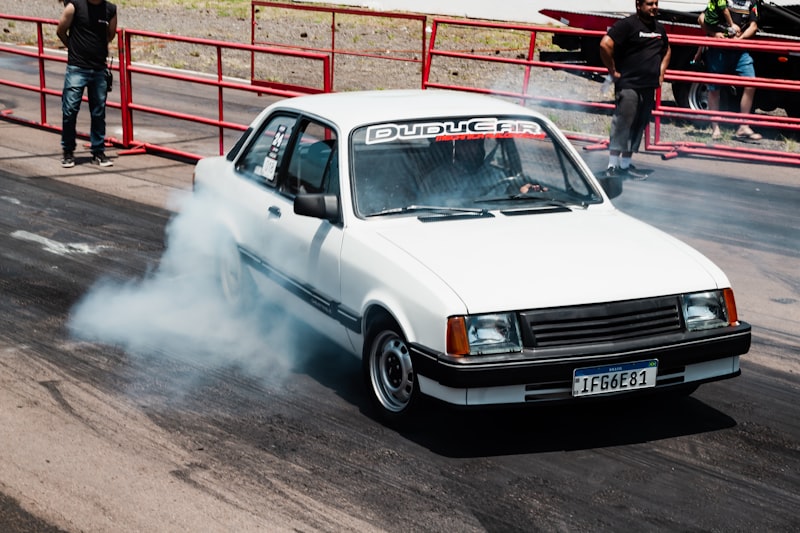
Upgrading for street drag racing is about balance. In other words, you want more power and speed, but not at the cost of street usability. The top modifications for street drag racing—intake and exhaust, ECU tuning, traction and suspension, safety, and budget-friendly basics—deliver big performance gains while keeping you street-legal.
By focusing on the right upgrades, smart tuning, and regular practice, new racers can have a fast and reliable street/strip car. In summary, start with the basics, build smart, and enjoy both daily driving and weekend drag racing. For more street build ideas, project guides, and real-world upgrades, browse our latest posts right here on ecredexa.com.
Leave a Reply