


Understanding what is the role of suspension in traction is critical for anyone passionate about improving launch control, acceleration, and overall vehicle stability. Traction is not just about sticky tires. The role of suspension goes far beyond a smooth ride, playing a key role in how well a car can put its power to the ground. This makes a huge difference for drag racers, track-day enthusiasts, and anyone who wants consistent launches.
Launching harder and with more control depends on managing weight transfer, damping forces, and tire grip. In fact, improving your car’s suspension setup is one of the smartest ways to maximize traction.
In this article, we explain how suspension affects traction using real-world examples, technical data, and practical advice. You’ll see why suspension tuning is not just for pro racers, and how the right setup can give you an edge in any type of motorsport. Veja tambem: Guide to Adjustable Shocks for Performance Cars: Suspension & Traction Tips.
What Is the Role of Suspension in Traction and Why Does It Matter?

To answer what is the role of suspension in traction, it helps to start with a basic principle. Traction is the friction force between your tires and the ground. However, the amount of force each tire can provide depends on how much weight is pressing down on it—and that’s where the suspension comes in. Veja tambem: List of Common Suspension Tuning Mistakes: Essential Guide for 2026.
When you accelerate, brake, or corner, your vehicle’s weight shifts. This weight transfer changes how much grip each tire has. For example, during acceleration, weight shifts toward the rear. If your rear suspension is too stiff, it won’t let enough weight transfer onto the rear tires. As a result, your tires might spin, and you’ll lose traction.
On the other hand, if it’s too soft, you can get body roll and lose control. In a drag car, for instance, a well-designed rear suspension lets the car “squat” just enough to put more pressure on the driven wheels. This extra downward force helps the tires grip and reduces wheel spin. Therefore, a properly tuned suspension gives each tire the best chance to stick to the surface.
This isn’t only true for race cars. Even street and performance cars benefit from the right balance. For example, modern sports cars often use fully independent suspension and adjustable dampers. These systems help spread weight evenly and adjust to different driving forces.
According to Engineering Explained, even small changes to suspension geometry or spring rates can affect how much traction you have. In fact, under real-world conditions, optimizing spring stiffness and damper settings can improve standing-start times by up to 0.3 seconds in some cars.
How Springs and Dampers Affect Tire Grip
Springs store energy and control body movement as your car launches or brakes. Softer springs allow more weight transfer, which can improve grip at launch. However, too much body movement can unsettle the car.
Dampers (or shock absorbers) slow and control how fast the suspension moves. For consistent traction, you want enough damping to control motion, but not so much that weight transfer is blocked. Adjustable shocks can help you fine-tune this balance for the best results.
The Dynamics of Weight Transfer: Launch Harder and More Consistently
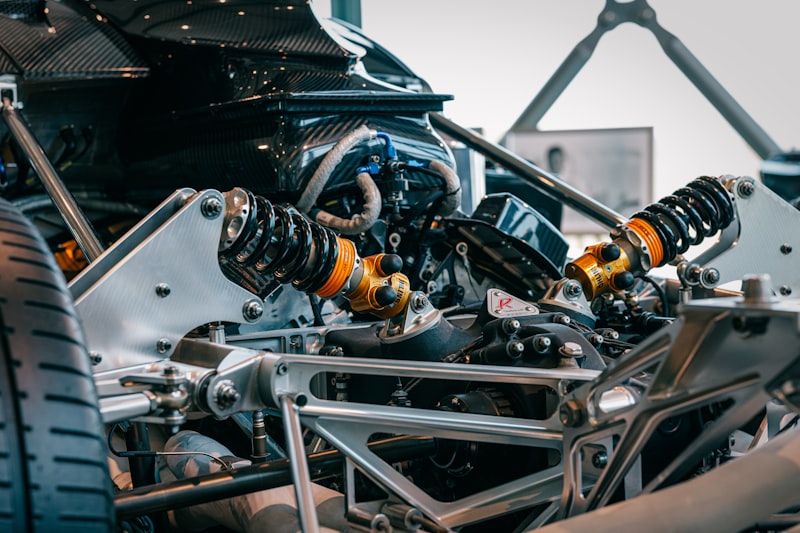
Weight transfer is at the core of any discussion about traction and suspension. When a car accelerates, inertia moves its weight backward. This is why you see the front end lift and the rear “squat” under hard acceleration.
If you want to launch harder and more consistently, you must control how this transfer happens. The way your suspension is set up can make or break your launch.
For example, drag racers typically aim for maximum rear grip at launch. This means the rear suspension must compress just enough to press the tires down harder. In 2026, many factory performance vehicles now come with adjustable dampers and helper springs for this reason. A Car and Driver review shows 0-60 mph times in pro-level drag cars can drop by 0.1-0.2 seconds just by perfecting suspension setup.
However, too soft a setup may cause the tires to lose contact with uneven pavement. Therefore, balancing stiffness and travel is crucial. At the same time, correcting the geometry—like pinion angle and control arm angles—also affects how well power is delivered. These adjustments help direct more of the acceleration force into the pavement, rather than making the rear end lift or twist.
In contrast, for road racing or autocross, the goal is often balanced traction at all four tires. The suspension must keep as much tire on the ground as possible while minimizing body roll. Stiffer anti-roll bars, balanced spring rates, and proper shock tuning all help maintain grip during quick transitions.
Cornering is another key example. As you turn, lateral forces shift weight to the outside tires. With proper suspension geometry, the tires stay flat and maintain good contact. A poorly set suspension lets the tires tilt or lift, reducing the contact patch and degrading traction.
Tires, Suspension Setup, and the Traction Connection
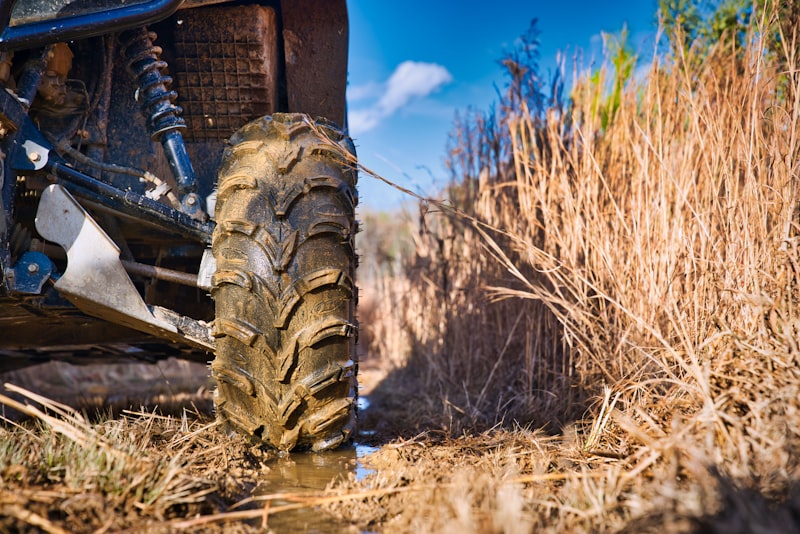
While tires are your only link to the road, the suspension system determines how well they do their job. In other words, a high-quality tire can only stick if the suspension lets it.
Let’s look at specific examples:
- Tire Compound and Pressure: For maximum traction, the suspension needs to maintain even tire pressure across the tread. Too much negative camber can cause the inside edge to wear and reduce grip. Similarly, if shocks or bushings are worn out, the tire may “hop” or lose contact.
- Alignment: Proper toe, camber, and caster settings influence how much of the tire’s surface is used in different driving situations. Suspension adjustments help keep the tires flat and maximize the “contact patch”—the part of the tire touching the road.
- Ride Height: Lowering a car can improve cornering by reducing the roll center. However, going too low without correcting suspension geometry can actually hurt traction by making the tire angles too extreme.
- Suspension Type: Multilink suspension can maintain better tire contact during body movement compared to simple beam axles. In fact, many sports cars and race cars use independent rear suspension for precisely this reason.
- Active Dampers and Adaptive Suspension: These systems change damper settings in real time, providing extra stiffness or softness as conditions change. For example, some cars sense launch events and stiffen rear dampers, giving better traction off the line.
- Electronic Limit-Slip Differentials: These help split power between wheels for better grip. However, their full benefit is only achieved if suspension settings let both driven tires maintain good contact.
- Weight Distribution: Placing heavy components (like batteries in electric cars) lower and toward the center of the car can reduce unwanted suspension movement and improve traction everywhere, not just at launch.
For instance, Formula 1 teams spend millions tweaking just a few millimeters of suspension travel and angle. They know, as shown in F1 Technical data, that a 2% improvement in tire contact can mean a 0.05-second gain per corner. For more accessible examples, autocross drivers often adjust shocks and sway bars on-site to adapt to local surfaces and maximize grip.
How to Tune Your Suspension for More Traction
You don’t need to be a pro to start tuning for more traction. Start by checking tire pressures, alignment, and spring stiffness. Use stiffer springs or shocks in the rear to control body squat when needed, especially in rear-wheel drive cars. For front-wheel drive setups, focus on reducing wheel hop with stiffer bushings and dampers.
Adjusting anti-roll bars can help fine-tune the balance between understeer and oversteer. For launch events, experiment with shock settings (many modern cars offer adjustable shocks even from the factory).
Always remember, though, that more grip at one end of the car often means less at the other. Use data from lap timers, smartphone apps, or even simple stopwatch tests to see what changes help most.
Advanced Traction Tricks: Beyond Basic Suspension Setup
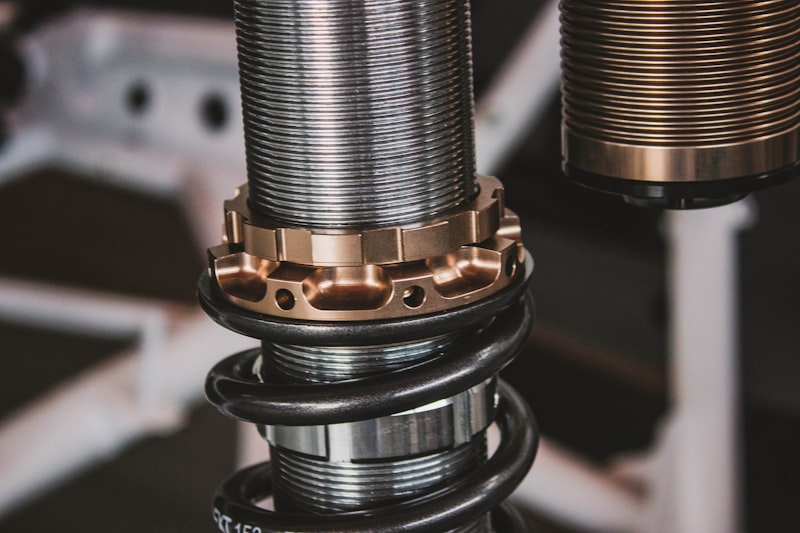
Modern suspension systems include many high-tech features that go beyond springs and shocks. Engineers now use:
In fact, in the 2026 Porsche 911 GT3, adaptive dampers and rear-wheel steering improve corner grip by up to 5% over the previous generation, according to Porsche’s technical data. This means not only faster lap times but also more consistent traction under hard launches.
Some racers will also change bushings (from rubber to polyurethane or solid metal) to reduce unwanted suspension flex. Upgraded control arms, reinforced mounting points, and stiffer sway bars can all help, depending on the car and the kind of traction problem you face.
However, each modification has trade-offs, and what works for drag racing may hurt lap times on a road course. Always test each change on your own car and favorite surface.
Conclusion

In summary, understanding what is the role of suspension in traction can help any performance driver launch harder and drive more consistently. Suspension manages weight transfer, controls tire contact, and ensures each wheel delivers its maximum grip. While tires are important, suspension setup often makes the real difference in acceleration, braking, and cornering.
By tuning springs, shocks, sway bars, and alignment, you can adapt your car to your favorite type of driving. Active and adaptive systems now let drivers get even more grip, regardless of road or weather.
If you want to learn more about making your car launch harder and more consistently, try experimenting with your suspension setup. Start with basic adjustments and small tests. Over time, you’ll see that even minor changes make a big difference.
For more technical tips and real-world guides on suspension, traction, and launch control, visit our Suspension & Traction Section. Keep improving, and you’ll enjoy the performance benefits on every drive.
Leave a Reply