

If you want to learn about essential parts for street drag car builds, this guide will help you start the right way. Building a fast car that can still be driven on the street takes careful planning. Therefore, you need to know which parts are vital for both daily use and track performance. Saiba mais sobre Street Fighter 6 Builds:.
Street-legal drag cars must balance speed, safety, and budget. On the other hand, using the wrong parts can lead to poor performance or limit your car’s use on public roads.
This article explains which components matter most when building your first street/strip car. We include examples, real data, and street build tips to get you racing sooner and safer.
Engine and Power Adders: The Foundation of Street Drag Car Builds
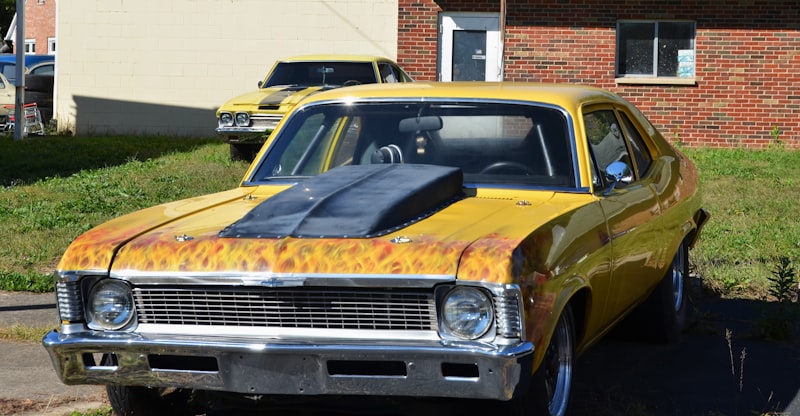
Choosing the right engine is at the heart of any street drag project. Essential parts for street drag car builds always start with a strong powertrain. First, you need an engine that offers both durability and upgrade potential. Veja tambem: What Makes a Good Street Drag Car: Key Features and Build Tips.
For example, many builders use LS-based V8s or Ford’s Coyote engines. These offer reliability and support from the aftermarket. In fact, the 6.0L LS engine can reliably handle over 500 horsepower with stock internals. Affordable turbo setups and aftermarket superchargers are also common. As a result, these force more air into the engine for bigger power gains.
Power adders must be matched to your goals. Turbocharging is popular because it offers flexible tuning and big potential gains. A basic turbo kit on a stock V8 can add 100-200 more horsepower while keeping street drivability. Superchargers are easier for beginners and offer instant throttle response. Nitrous oxide kits are cheap and easy to install. However, they require careful tuning to avoid engine damage.
Besides the main engine, supporting parts matter. Upgraded fuel injectors help feed more power. High-flow fuel pumps ensure the engine gets enough fuel under boost. Aftermarket intake and exhaust manifolds improve breathing. For builds near 600 horsepower or more, forged pistons and rods become essential.
Cooling Systems and Oil Management
Making more power also means more heat. A bigger aluminum radiator is a must for street drag cars. Electric fans provide better cooling at low speeds, and a performance thermostat can keep the engine at ideal temperatures. In addition, an oil cooler reduces engine wear during hot summer drives or repeated drag passes.
Synthetic oil helps with reliability under stress. For example, using 5W-30 full synthetic increases resistance to heat breakdown, which is common during back-to-back drag runs.
Drivetrain and Transmission: Getting Power to the Ground
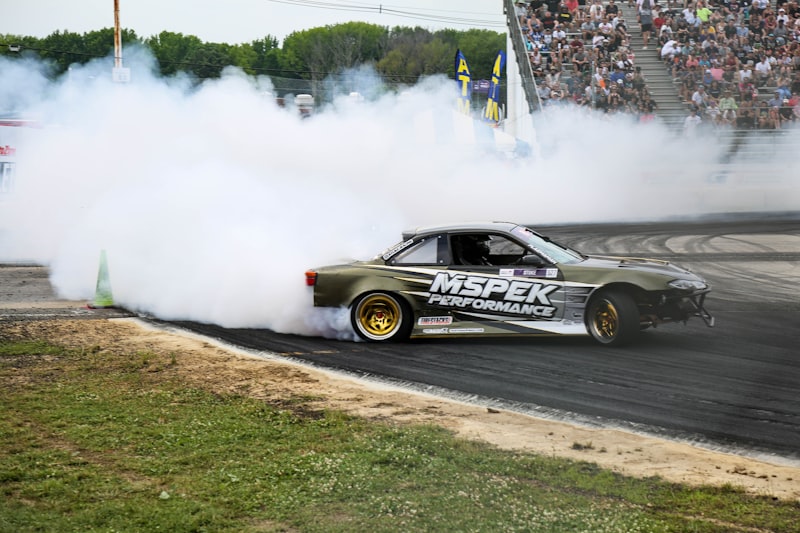
After building a strong engine, you need a drivetrain that can handle big power while staying street-friendly. The choice of transmission, clutch, driveshaft, and differential are all critical.
Manual transmissions, like the Tremec T56, are popular for street builds. They offer strength and good gear ratios for both street cruising and track use. For automatic fans, a built 4L80E or TH400 offers reliability and excellent performance at the drag strip. Stall converters can help automatics launch harder by allowing higher engine RPM before the car moves.
Upgraded clutches or torque converters prevent slipping under heavy load. For example, a twin-disc clutch provides strong grip yet maintains street drivability. In addition, a lightweight aluminum driveshaft reduces rotating mass for faster acceleration.
Differentials are another major point. Limited-slip or locking differentials help both tires grip on launch. Many budget street cars upgrade to a Ford 8.8-inch or GM 12-bolt rear end. These can hold up to 700 horsepower with the right parts.
On the other hand, overdoing the drivetrain can hurt street manners. For a first build, try to balance strength with comfort by pairing moderate gear ratios with enough cooling for daily street use.
Axles and Supports
Stock axles may twist or snap under hard launches. Therefore, swapping to hardened axles is recommended for any car making over 400 horsepower. Aftermarket rear end girdles or covers can strengthen housings and reduce flex.
In summary, investing in the right transmission and driveline parts increases reliability and lets you focus on racing, not repairs.
Suspension and Chassis: Staying in Control on the Street and Strip

Suspension is another essential focus for street drag car builds. The goal is to maximize traction at launch, yet keep enough comfort for street driving.
Most important are shocks and springs. Adjustable shocks allow control over ride stiffness. You can tune for soft launches at the track, or comfort on the highway. Aftermarket lowering springs or coilovers improve stability and cornering. In fact, brands like Viking and QA1 offer affordable adjustable shock kits that bolt into many street cars.
Traction bars and control arms prevent wheel hop. Wheel hop hurts traction and can damage other parts. On popular cars like the Chevy Camaro or Ford Mustang, bolt-on control arm kits fix this problem for under $300. As a result, these upgrades offer big gains with little cost.
Sway bars help keep the car level. However, on the drag strip, you want more weight transfer to the rear wheels. Detachable or softer rear sway bars can improve drag launches while still providing safe handling on the road.
Tire Choice and Wheel Setups
Traction depends on your tires. DOT-approved drag radials are made for street/strip use. For example, Mickey Thompson ET Street or Nitto NT555R tires are legal on the street and provide added grip at the track. Wider wheels (8-10 inches) help you run larger tires for better launches. However, make sure your tire setup has enough clearance and stays within local street-legal limits.
Chassis bracing is another key upgrade. Subframe connectors or bolt-in roll bars stiffen the body and help the car handle increased power. These can also improve safety without making the car unusable on the street.
Finally, always have a qualified shop align your suspension after making changes. This ensures straight launches and good tire wear in daily driving.
Electronics, Safety, and Interior: Balancing Performance With Street Use
Street drag builds need more than just power and traction. Modern electronics and safety upgrades are essential for both racing and street driving. Therefore, smart choices here make your build safer and easier to tune.
A programmable engine control unit (ECU) lets you adjust fuel and timing for different conditions. In 2026, plug-and-play ECUs for LS, Coyote, and HEMI engines start around $700. These allow quick re-tuning for gas changes or extra boost. Digital dashboards or data loggers show real-time engine stats. As a result, you can spot problems before they get expensive.
Safety systems must meet both track and street rules. At minimum, install a fire extinguisher in reach of the driver. Basic bolt-in roll bars or roll cages protect you in accidents. However, for street driving, removable designs are preferred. Racing harnesses keep you safe at the track, but use retractable belts on the street for comfort.
For first builds, keep the interior mostly intact. Full gutted race interiors are uncomfortable on daily drives. Instead, swap to lighter racing seats or remove rear seats, but keep HVAC and basic features. Modern sound-deadening mats keep the car quieter for daily use.
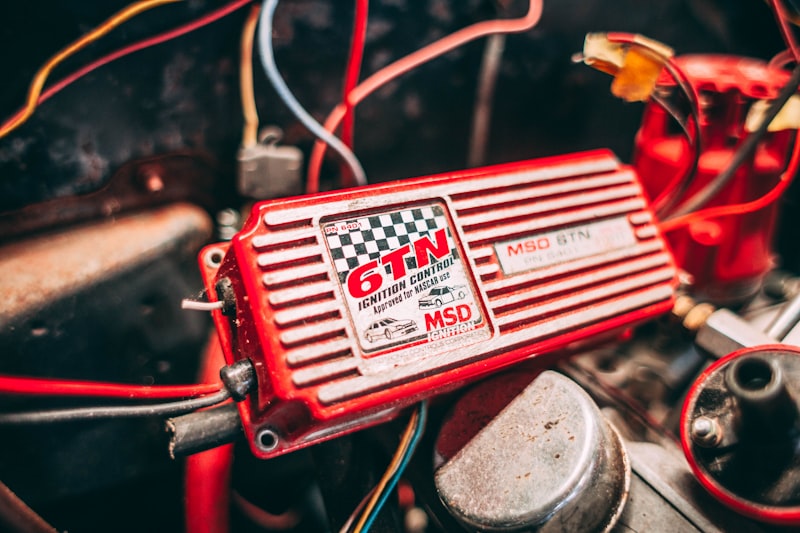
Key electrical upgrades include larger alternators and stronger batteries. High-performance ignition systems, such as MSD boxes or upgraded coils, improve spark and prevent misfires under boost.
Finally, always wire upgrades using proper fuses and relay systems. Poor wiring is a common cause of fires in street builds. Quality work keeps your car safe, reliable, and able to pass inspections in most states. For more about street-legal requirements and safety rules, see SEMA’s street rod law resources.
Conclusion
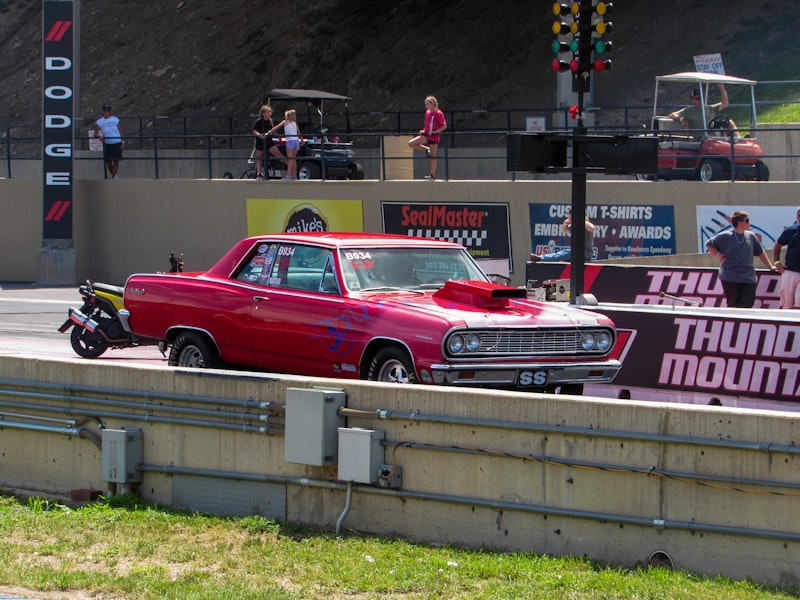
Building a street-legal drag car means picking the right mix of performance, safety, and street comfort. The essential parts for street drag car builds include strong engines, reliable drivetrains, tuned suspension, and smart electronics. In addition, good planning prevents costly mistakes.
Start with a strong engine that matches your goals. Upgrade cooling and fueling for reliability. Choose a transmission and rear end that can handle your power but still drive smooth on the street. Tune your suspension for traction and comfort. Focus on safety gear that keeps you legal—without making the daily drive miserable.
Because of this balanced approach, many first-time builders enjoy both fast quarter miles and worry-free street miles. For further research, you can check resources like Motor Trend’s guide to street/strip builds.
In summary, learning which parts matter will help your first street drag project succeed in 2026. Start smart, stay safe, and enjoy your journey to faster times and fun drives. If you have questions or want more street build tips, stay tuned to ecredexa.com for the latest updates and project guides.
Leave a Reply