

The comparison of amateur vs pro racing classes is key to understanding the sport’s structure. In fact, knowing the differences between these classes helps drivers, fans, and teams see where they fit in the drag racing world.
Whether you watch as a casual fan or dream of racing, this knowledge builds a foundation. Drag racing has a clear hierarchy, and understanding the rules, vehicle types, and pro ladder can help you plan your path or find your favorite class.
This article explores the major differences between amateur and professional racing. We will discuss class rules, vehicle requirements, costs, and how the pro system functions. In addition, you will learn what it takes to move from amateur to pro in 2026’s highly competitive environment.
Key Differences in Regulations: A Comparison of Amateur vs Pro Racing Classes
Racing class regulations shape every aspect of competition. Therefore, looking at the rules is the first step in this comparison of amateur vs pro racing classes. Both amateur and pro classes in drag racing have strict requirements, but their focus and enforcement often differ.
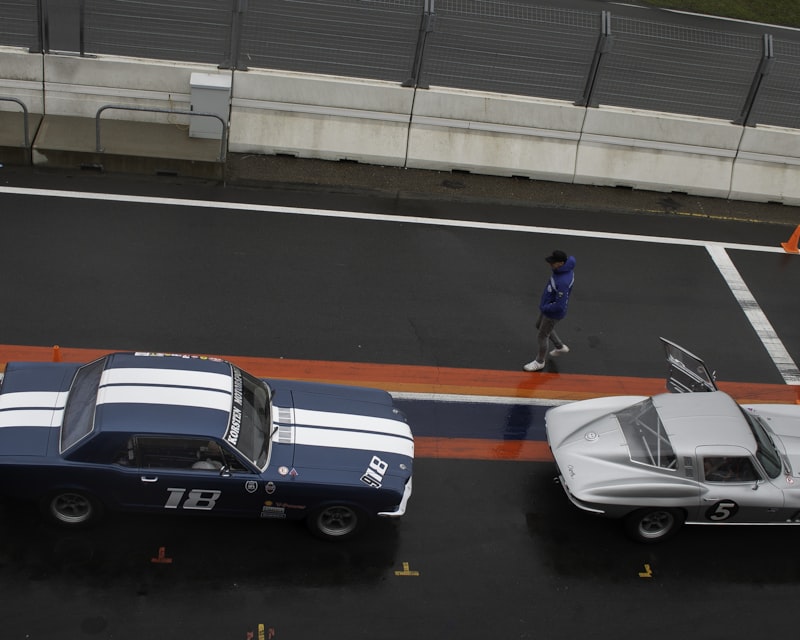
Amateur classes, such as Sportsman or Bracket Racing, use a system that is both accessible and cost-effective. For example, in the NHRA Sportsman ranks, drivers can compete with street-legal cars. These rules allow for a wider range of vehicle modifications, but safety and fairness are always top priorities. Most tracks enforce requirements like helmets, seatbelts, and sometimes roll bars for quicker vehicles.
On the other hand, pro classes have much tighter regulations. For instance, in pro categories like Top Fuel or Pro Stock, every detail is controlled. There are exact measurements for engine size, fuel type, weight, and even tire construction. Any minor infraction leads to disqualification or fines. The vehicles in pro classes are purpose-built machines, often with multi-million-dollar budgets.
In fact, the licensing process for each class also differs. To race in pro classes, drivers must pass advanced driving tests and have significant track experience. Several organizations, including the National Hot Rod Association (NHRA), set detailed rules yearly.
Because of these strict standards, pro races tend to be much closer and more intense. Amateur races, meanwhile, focus on fun and development. In summary, while both classes value safety and fairness, pro rules are much more exact and strict.
Types of Cars: From Street Legal to Purpose-Built Monsters
Another major area in the comparison of amateur and pro racing classes is the cars themselves. The vehicles in amateur races often start as street-legal models. Many drivers modify their own cars, adding high-performance parts over time. For example, in NHRA Sportsman categories like Super Street and Stock Eliminator, everyday vehicles with street tires compete on the same track as purpose-built dragsters.
Because the cost of entry is lower, you find more diversity in car types and brands at the amateur level. Muscle cars, imports, and even family sedans can appear on the same weekend. Modification rules are less strict, except for safety. For example, Stock Eliminator cars can only use engine parts offered by their manufacturer.
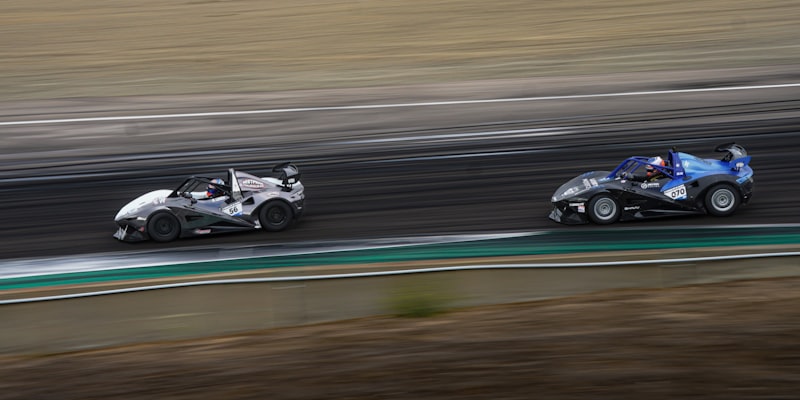
Pro racing, in contrast, allows only special-built cars. Top Fuel Dragsters, Funny Cars, and Pro Stock vehicles are engineering marvels. For example, a modern Top Fuel Dragster in 2026 uses a supercharged 500-cubic-inch V8. These engines produce over 11,000 horsepower and reach 330 mph in less than four seconds. The car’s body, frame, and every system are built for maximum speed and safety.
In addition, pro categories have strict parity rules. For example, NHRA Pro Stock cars weigh exactly 2,350 pounds and use carbureted V8s. Teams spend millions each year to find small gains. Because of this, winning requires not only skill but advanced engineering.
Amateur racers might spend a few thousand dollars setting up their cars. Pro teams, on the other hand, have budgets that can exceed $5 million per season. As a result, pro racing cars are more technical, faster, and more uniform than amateur vehicles.
Advancing Through The Pro Ladder: How Drivers Move Up
Understanding how the pro ladder works is essential for anyone interested in this sport. In other words, knowing the steps needed to rise from amateur to pro racing classes explains why so few reach the top.
Most drivers start in local test-and-tune events or bracket racing. Here, anyone can drive almost any car and learn the basics of racing. As their skills grow, they may enter Sportsman divisions like Super Gas or Stock. Success at this level depends on reaction time, consistency, and tuning knowledge.
If they perform well, drivers can earn an NHRA or IHRA license by completing a series of observed runs. This process proves they can handle higher speeds and more advanced vehicles. Once licensed, drivers may compete at divisional events. Winning these races draws attention from sponsors or pro teams.
At the top of the ladder, pro classes have very few openings. In fact, only around 40 drivers in the United States hold licenses for Top Fuel or Funny Car as of 2026. These drivers often spend years earning success in lower classes first. Connections, results, and sometimes family history in the sport play a big role.
Major pro series, such as the NHRA Camping World Drag Racing Series, are by invitation or require team ownership. Therefore, moving from amateur to pro takes skill, money, and persistence. For more details on how the licensing process works, see the official NHRA competition license guide.
Costs, Sponsorship, and Pressure: The Realities of Pro Racing vs. Amateur Levels
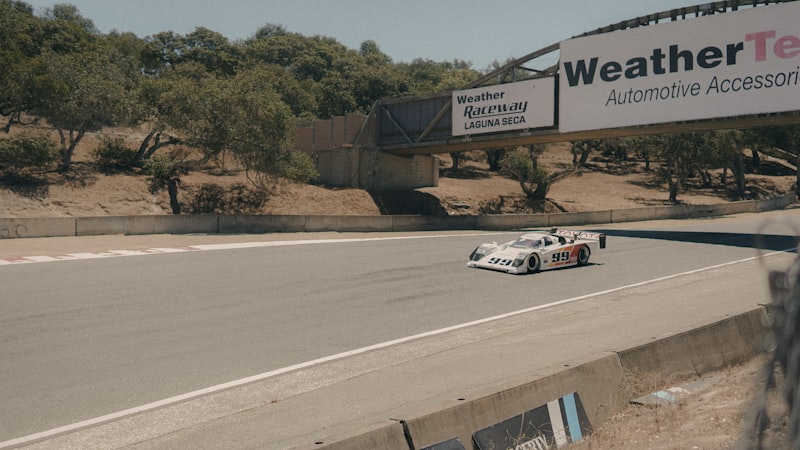
While many dream of turning racing into a career, the gap in costs and pressure is massive between amateur and pro classes. At the entry level, a racer can spend under $10,000 on a car and minimal safety gear. Entry fees are reasonable, and teams are usually family- or friend-based.
At the professional level, the situation changes completely. Pro-class costs can reach $500,000 per event, factoring car rebuilds, tires, entry, and travel. Top Fuel and Funny Car teams may burn through $3,000 worth of nitromethane fuel in each qualifying run. Annual team budgets often eclipse $3 million, especially with full-time crews, engine builders, and transporters.
Because of this, success at the pro level almost always requires major corporate sponsorship. Sponsors cover team expenses, pay for advertising, and expect strong results. Drivers face high expectations each race weekend. A single mistake can cost thousands or even end a team’s season. Media attention, contracts, and the constant need to find sponsors add further pressure.
In amateur classes, by contrast, there is more emphasis on learning and enjoyment. Many racers only compete a few weekends a year, on their own schedules. Mistakes are less costly, and the focus is usually on personal improvement. The community is strong, and help between teams is common.
As a result, the path from amateur to pro is not only about driving skill, but also about business sense and personal resilience. Pros must handle media interviews, technical debriefs, and sponsor relationships every day. The lifestyle is rewarding, but demanding.
The Role of Classes & Pro Racing: Why The Structure Matters

It is important to realize that class structure is about more than rules. The separation between amateur and pro racing classes creates clear paths for learning, growth, and advancement. Each class provides the right challenge for a driver’s skill and resources.
For fans, these classes create thrilling variety. You see street-legal cars lined up with classic muscle on Saturday and return Sunday for 330 mph Top Fuel duels. In addition, the structure helps ensure safety at both levels. Pro teams can focus on speed and precision, while amateur racers learn the basics with lower risk.
The system also promotes the sport’s growth. Newcomers can start small, build skills, and aim for the big leagues. If pro racing was the only option, most fans and drivers would never participate. Because of this, class systems are essential to the health of drag racing.
Finally, sponsors and organizers benefit from clear classes. They know where to invest, how to identify rising stars, and how to manage events. This structure, therefore, keeps racing fair, exciting, and open to everyone from first-timers to world champions.
Conclusion
The comparison of amateur vs pro racing classes reveals a well-designed system. Clear rules, progressive vehicle standards, and a challenging pro ladder make drag racing open to everyone, but demanding at the top.
Amateur classes offer fun, learning, and community on a smaller budget. Pro racing delivers speed, pressure, and global attention — but at a high cost. Both play vital roles in the sport’s success. If you are looking to start or hope to advance, understanding these differences ensures you set the right goals.
For more detailed guides and the latest drag racing news, visit ecredexa.com regularly.
Leave a Reply