


Understanding what makes a drag car competition-ready is the first step for any builder or racer who dreams of success at the track. This goes far beyond boosting horsepower or adding eye-catching paint. True competition builds demand purpose-driven upgrades, strict safety features, and proven strategies that deliver reliable speed.
In today’s world of high-stakes racing, preparing a dedicated drag car for competition is a detailed process. Builders and drivers have to meet strict rules while squeezing out maximum performance. So, what separates a street car with upgrades from a top-level competition drag car? Let’s explore those defining features.
The Heart of Competition Builds: Dedicated Chassis and Structure
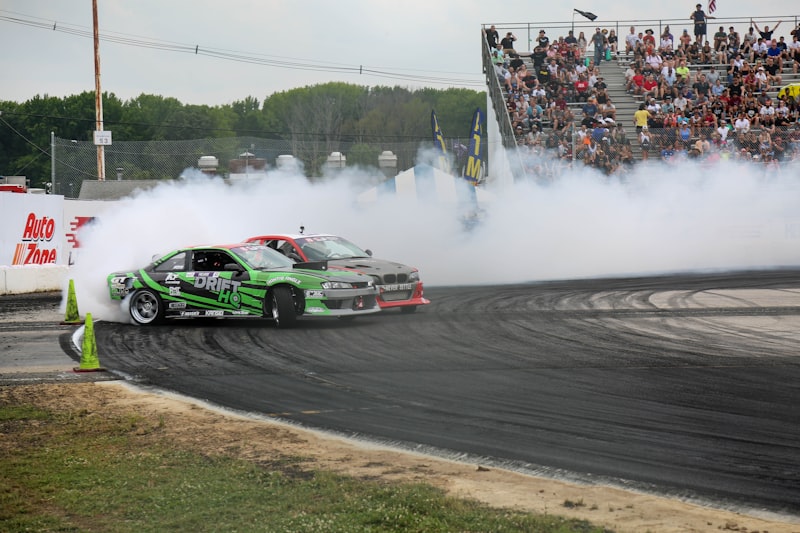
A competition-ready drag car always starts with a strong chassis. The chassis is the car’s backbone. For serious racing, most builders use a purpose-built tube-frame chassis instead of the car’s original structure. These frames use high-strength steel, designed to handle intense stress. For example, organizers like the NHRA require specific materials and construction methods for cars running fast times.
On standard street cars, the unibody chassis bends and twists under launch stress. In contrast, a competition chassis stays straight. This supports consistent launches and keeps the car tracking down the strip. In fact, many race cars use “back-halved” designs where the rear suspension and frame are custom-built for slicks and four-link suspension setups.
In addition, serious race cars use roll cages certified to pass safety inspections. A full cage not only improves safety, but it also strengthens the body. Most top-level builds use 8-point or 10-point cages that tie directly into the chassis. As a result, the entire car flexes less, delivering power evenly to the track.
Dedicated drag cars also strip out all unnecessary weight. Builders remove interiors, glass, sound deadening, and anything that’s not needed for racing or safety. The lightest legal weight combined with a stiff backbone is a major competitive advantage.
Suspension: Planting Power to the Ground
A race-worthy chassis isn’t complete without a tuned suspension setup. Dedicated drag suspensions often use adjustable coil-overs, anti-roll bars, and ladder bars or four-link systems. These let the car put all its power to the pavement without spinning the tires. Precise geometry keeps the car stable, even as it launches with thousands of horsepower.
In summary, the right foundation is essential. This includes a stiff, purpose-built frame, a strong cage, and a suspension that maximizes grip. It’s these basics that separate serious competition builds from modified street cars.
Advanced Drivetrains and Power Adders: Maximizing Performance Safely

A competition-ready drag car is defined by more than raw power. It must have a drivetrain built to handle extreme torque and horsepower, race after race. For example, a car running in a Pro Mod class might deliver well over 3,000 horsepower. Without the right parts, that power would destroy street-level components in moments.
Most top drag cars run high-horsepower engines, but the true difference lies in the full powertrain system. This includes:
- Reinforced transmissions, often built from proven drag racing units with billet internal parts.
- Race-spec clutches or torque converters matched to the engine’s power curve.
- Upgraded rear axles and drive shafts that won’t twist or break under full-throttle launches.
- Limited-slip or spool differentials to ensure equal power to both rear tires.
Competitive builds also use proven “power adders” such as turbochargers, superchargers, or nitrous oxide systems. Each comes with its own tuning and reliability challenges. For example, big turbo setups need careful attention to cooling and fuel delivery. Nitrous systems must be plumbed with their own safety shutoffs.
Because class rules in organizations like the NHRA or IHRA are strict, top-level cars often have complicated fuel and ignition systems with multiple safety interlocks. In fact, race electronics may include real-time data logging, boost control, and automatic timers to maximize every run.
Builders must also consider the class limits. Engine size, boost levels, and even fuel types are often restricted to keep racing fair and safe. Sticking to these rules, while getting the most out of every inch and ounce, is a big part of what makes a competition build stand out.
Safety Requirements and Inspection: Racing with Confidence

No matter how fast, a drag car is not competition-ready unless it meets strict safety codes. These rules protect drivers and keep events running smoothly. In 2026, racing organizations demand more advanced safety technology than ever before.
First, a certified roll cage or roll bar is required in most classes, as mentioned earlier. However, safety goes much further. Dedicated race seats and 5-point or 6-point harnesses are now required for most sanctioned events. These harnesses hold the driver tightly during launches or crashes.
Next, every competition build must have an approved fire suppression system. This helps save lives if a fuel or oil line fails. Builders must also fit a main battery cutoff switch within easy reach of emergency workers. Windows are often replaced with shatter-resistant polycarbonate panels for added protection.
In addition, drivers need full fireproof suits, gloves, shoes, and helmets with HANS devices. Many sanctioning bodies also require neck collars or restraint systems. All these measures have saved countless lives. As a result, the focus on safety is only growing among serious racers.
Safety inspections are strict. Any non-compliant car is turned away on race day. For example, the latest NHRA rulebook states that roll cages must be constructed from specific tubing. If welds are weak, the driver cannot compete. Because of this, most successful teams have cars built and maintained by professionals who know the latest regulations.
Good brakes are essential as well. Most competition drag cars use four-wheel disc brakes, often with parachutes for high-speed classes. Runoff areas at modern tracks give extra stopping space, but reliable stopping tools are vital, especially for cars running over 150 mph in the quarter mile.
For more on current NHRA safety rules, visit NHRA General Regulations.
Wheels, Slicks, and Traction: Making Every Launch Count
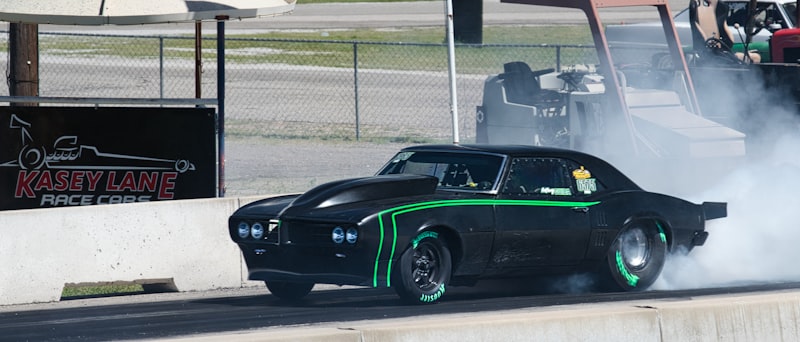
One crucial part of what makes a drag car competition-ready is its ability to grip the track. No matter how much power you build, if the car cannot transfer it to the surface, you lose races. As a result, successful builds use specialized wheels and tires.
Race drag cars almost always use lightweight racing wheels. These are made from forged aluminum or magnesium and help reduce unsprung mass. Lower unsprung weight means the suspension can react faster, keeping more tire in contact with the surface. In addition, wide wheels allow for the biggest legal slicks, maximizing the tire patch.
The tires themselves are often “slicks”—tires with no tread at all. Race slicks are made from soft rubber compounds that offer grip even at cold temps. However, they wear out quickly and must be replaced often. Some drag racing classes use DOT-legal “drag radials,” but these are built for track use with stiff sidewalls and advanced compounds.
Tire pressure tuning is a science in competition builds. Too much air and the tires spin; too little and the car squats or drags. Builders use tire warmers and pre-race burnout routines to make sure the rubber is hot and sticky. This practice is key to consistent launches.
Advanced builds also use wheelie bars to prevent the car from flipping over during hard launches. In fact, high-horsepower cars rely on these bars for safety and to keep the chassis level, which supports better times down the strip.
Moreover, traction control systems are becoming more common. Some teams use sensors and electronics that cut power if wheels start spinning. However, many race classes restrict or ban these aids, making driver skill and setup even more important.
In short, traction is the real test at the drag strip. Builders devote huge energy to wheels, tires, and setup just to get the best sixty-foot times. That is why these small choices often separate winners from the rest.
For more information on racing tire technology, see Tire Rack: Competition Drag Slicks.
Data, Tuning, and the Human Factor: Getting the Most from Each Pass
Finally, race-winning builds rely on far more than muscle and metal. Advanced data analysis and constant tuning are now central to drag racing success. Therefore, many top teams in 2026 use real-time data loggers, wideband sensors, and telemetry.
On each run, sensors collect everything from driveshaft speed to air/fuel ratio. Because of this, teams adjust timing, shift points, and boost levels to match track conditions or fix problems. This practice turns raw power into reliable, repeatable results. In fact, consistent data-driven improvements can cut tenths or even hundredths off elapsed times.
In addition, weather has a huge effect on a car’s behavior. Track temperature, air pressure, and humidity all change how engines make power and how tires grip. Smart teams watch the weather and adapt their setups before every run. Some cars even have onboard weather stations as part of their data suite.
Of course, human skill matters too. The driver’s reaction time at the tree, throttle control, and ability to keep calm under pressure all impact results. Top drivers practice constantly, often on simulators, to sharpen their reflexes. While some street cars may run fast once, true competition builds are designed to perform every time, in every condition.
Technology continues to drive the sport forward. Meanwhile, the practical experience of teams and drivers still matters most. This blend of know-how and innovation is at the core of each winning competition build.
Conclusion
Preparing a car for real drag competition demands much more than high horsepower. The critical factors of what makes a drag car competition-ready include a dedicated chassis, advanced safety features, powerful and reliable drivetrains, specialized wheels and tires, and constant data-driven tuning. Successful competition builds balance speed with safety, always respecting the rules that keep the racing fair and fun.
If you are planning a drag build, focus on proven steps: Strip out the extras, build a strong foundation, and never overlook safety. Use data, adapt to conditions, and keep learning from each pass. By following these principles, you’ll be well on your way to a truly competition-ready drag car.
Ready to start your own competition build? Research class rules, connect with experienced racers, and gather the right parts and people. It’s a challenge, but the rewards on the strip make every hour worthwhile.
Leave a Reply