

Stock car racing classes define the boundaries, competition level, and excitement in professional motorsports. Whether you are a new fan or a future driver, understanding these categories is critical. In fact, the world of stock cars is divided into many classes, each with unique rules, car builds, and competition formats.
Knowing the structure of these racing classes helps you follow events, see emerging talents, and even choose a path in motorsports. On ecredexa.com, we focus on explaining racing ladders, pro class differences, and how the rules shape competition.
In this article, you will learn about the main stock car classes, their regulations, how drivers advance, and what makes each class special. We use real racing examples from leading organizations, break down the key rules, and show how these classes influence both pro and grassroots racing.
Understanding Stock Car Racing Classes and Their Purpose
Stock car racing classes organize drivers and cars by skill, experience, and technical specs. This system creates fair competition and a clear path for drivers to progress. In 2026, racing organizations like NASCAR, ARCA, and grassroots leagues set the rules for these classes. Veja tambem: How to Join Pro Racing Classes: The Full Guide for 2026.
For example, NASCAR, the largest stock car sanctioning body in North America, uses a multi-level class system. Its top three national divisions are the NASCAR Cup Series, Xfinity Series, and Craftsman Truck Series. Each class has unique car specs, tire regulations, race lengths, and eligibility criteria. Veja tambem: Beginner Guide to Pro Racing Culture: Classes, Ladders, and Rules.
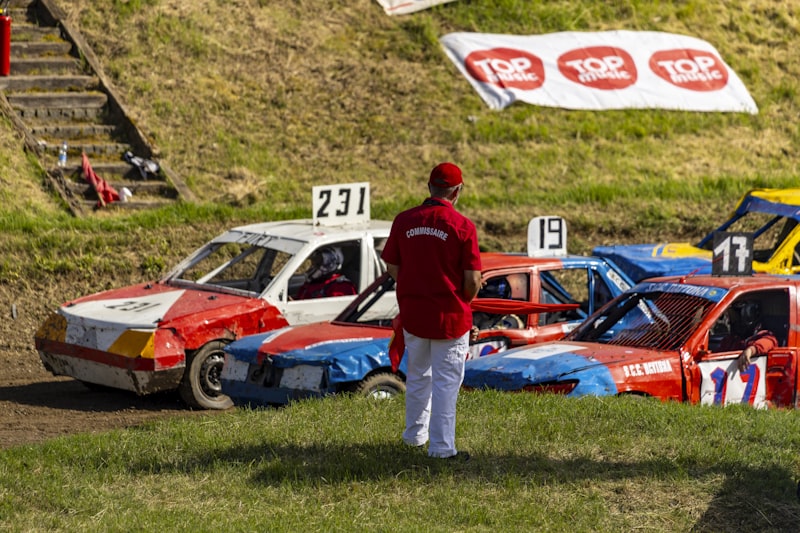
Amateur series and local tracks also use classes. These may include Street Stock, Pure Stock, and Limited Late Model divisions. Each one limits car modifications and often caps costs. Therefore, drivers build skills in lower classes before moving to higher-level, fast-paced series. Veja tambem: List of Popular Pro Racing Classes: Guide to Drag Racing Pro Ladders.
Classes keep racing safe and competitive. For example, beginner classes focus on basic car setups and restrict speed. On the other hand, pro classes allow for advanced engineering and bigger budgets. This class system creates a ladder—drivers start in entry-level events, then move up through the ranks based on talent and results.
In addition, racing classes help fans compare records, stats, and career paths. You can follow a young driver’s climb from Street Stock, through ARCA, all the way to NASCAR’s Cup Series. Each step has distinct rules, which experts and teams analyze to find an edge.
As a result, understanding how classes work is key for racers, fans, sponsors, and teams. Class rules connect to safety standards and technical fairness. In summary, classes are the backbone of stock car competition in 2026.
The Role of Rulebooks and Sanctioning Bodies
Sanctioning bodies like NASCAR and ARCA publish annual rulebooks. These documents detail the car specs, weight limits, safety devices, and racing conduct for each class. For example, the 2026 NASCAR Rulebook outlines required roll cages, allowed engine sizes, and tire restrictions.
Because of this, teams must carefully build cars to fit within class limits. Tech inspectors check cars before and after races. If a car fails inspection, it may be disqualified or penalized. This strict structure ensures that skill, not unfair engineering, determines who wins in each class.
Key Professional Stock Car Racing Classes in 2026
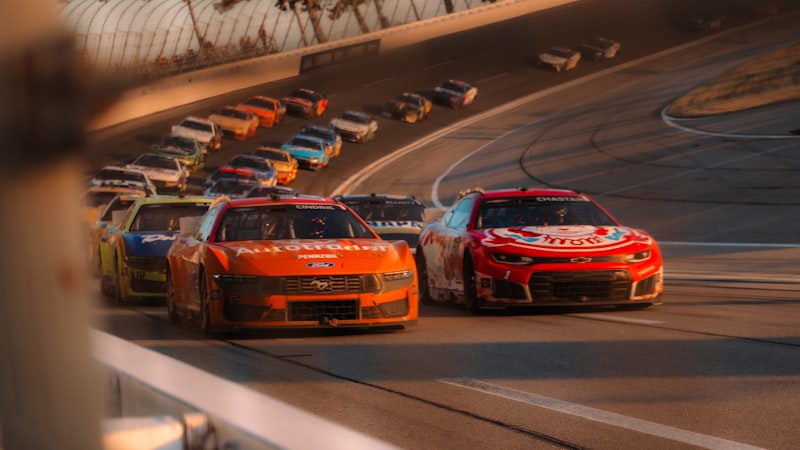
Professional racing uses a well-defined ladder system. The best-known classes in North America are the NASCAR Cup Series, Xfinity Series, and Craftsman Truck Series. Each one serves a unique purpose and attracts different driver skill levels.
NASCAR Cup Series
This is the highest level of stock car racing. The Cup Series features 36 points races each year, with the top teams and drivers competing for millions in prize money. Cars in this class use V8 engines and run at speeds over 200 mph on big tracks. Cup Series cars allow for significant engineering within strict NASCAR rules. In 2026, new hybrid systems and advanced aerodynamics have become standard.
However, only the best drivers get Cup Series seats. Many spend years working up the ladder. Teams typically spend $15–25 million per season at this level.
NASCAR Xfinity Series
This is the “minor league” of professional stock car racing, but the competition is fierce. Many Cup Series stars got their start here. The Xfinity Series uses similar—but slightly less powerful—stock cars. In addition, they race at both major and smaller tracks across the country.
The Xfinity Series is often where young drivers prove their skills. Teams have smaller budgets, and the technical rules further limit high-cost engineering.
NASCAR Craftsman Truck Series
In this class, drivers race modified pickup trucks on oval tracks. The series highlights driver development, with many Cup stars having raced here early in their careers. Truck Series vehicles are built for close racing and durability.
Trucks use a unique mix of rules, with engines and bodies different from other pro classes. Because of this, the racing is close and unpredictable. In fact, fans love the intense action and tight finishes.
ARCA Menards Series
ARCA provides a major stepping stone to NASCAR. Its cars are similar to Xfinity machinery but use a mix of new and older models. ARCA features both short oval and road course races. Drivers range from young up-and-comers to long-time veterans.
The ARCA Menards Series is often a proving ground for rookies. Teams focus on teaching racing basics, pit strategy, and handling diverse tracks.
Grassroots and Local Stock Car Racing Classes
In addition to pro classes, the backbone of the sport is at the grassroots level. Local tracks across the United States run many entry-level and mid-tier classes. These events are where most pro drivers first learned the trade.
Entry-Level Classes
Beginner classes are called Pure Stock, Factory Stock, or Street Stock. These divisions typically use older, production-based cars with limited modifications. Because of this, costs are low—entry can be under $5,000 for a competitive car. Many regulations focus on safety and restrict performance upgrades, keeping racing affordable and fun.
For example, Pure Stock classes may require steel bodies, basic roll cages, and stock engines. Drivers use street tires or simple racing slicks. As a result, car setup and driving skill matter more than expensive parts.
Some tracks allow only minor changes, like safety fuel cells or upgraded brakes. This practice helps new racers focus on learning, not spending. Because of this, many legends of the sport began their careers here.
Intermediate Classes
As drivers gain skill, they can move to Limited Late Model, Sportsman, or Hobby Stock classes. These allow more modifications—stronger engines, racing shocks, and lighter parts.
Race purses rise in these divisions, and so does competition. However, technical restrictions keep costs in check. Many local tracks cap engine sizes and use strict weight rules. For example, Limited Late Models in the Southeast must use 602 or 604 crate engines.
In addition, series often restrict tire choices, suspension types, and body styles. Tech inspectors make sure every car stays within class specs. This approach prepares drivers for national-level racing, where rulebooks are even more complex.
Importance of Grassroots Classes
Grassroots classes fuel the future of stock car racing. Without this starting point, few drivers could afford to enter the sport. Local class champions often move up to ARCA or even the national NASCAR ranks. Because of this, many pro careers begin in a local Street Stock, running Friday nights at the community speedway.
How Class Structure Shapes the Pro Racing Ladder
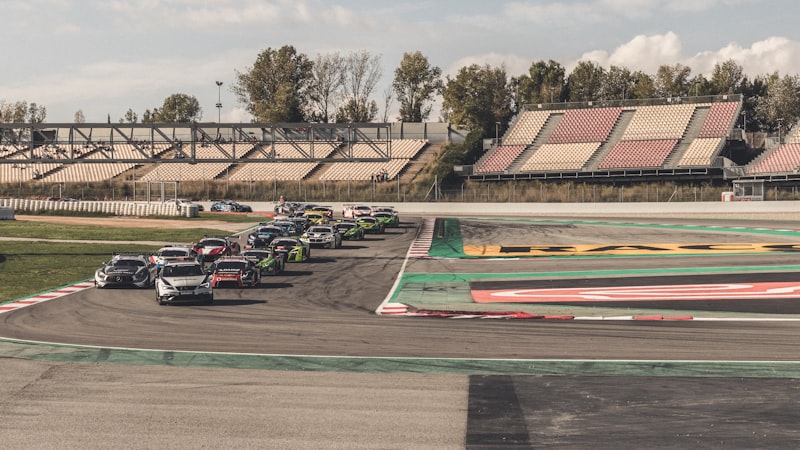
The class system in stock car competition forms a clear ladder from local tracks to the national stage. In 2026, drivers start in grassroots classes, then climb through success, sponsorship, and experience.
The Typical Path to Pro Racing
The most common journey begins with a local Pure Stock or Street Stock division. Young drivers, often as young as 14–15, learn car control, racecraft, and the basics of competition. Those who win at this level may move to Late Model or Sportsman divisions, where the racing is faster and more technical.
Regional tours—like the ARCA Menards Series East/West—act as stepping stones to bigger events. Top talent from these tours often gets scouted by NASCAR truck or Xfinity teams.
Once in the national series, drivers must continue performing to keep advancing. NASCAR teams select new talent based on results, feedback from team bosses, sponsorship potential, and media presence.
On the other hand, not every driver advances directly. Some spend several years mastering intermediate series. In summary, consistent results, funding, and development are all needed to reach the Cup Series level.
The Influence of Regulations and Technology
Class regulations affect more than car builds—they also shape the careers of racers. A driver who learns to master heavy, low-power cars in Street Stock will develop smooth driving skills. As they move up, they must adjust to more power, advanced tech, and tougher rules.
For teams, class rules drive innovation. NASCAR’s technical changes in 2026, such as new energy recovery systems, require constant learning. Classes are updated yearly to keep racing fair and relevant.
Professional leagues often limit certain technologies to control costs and promote competition. For example, NASCAR’s engine restrictions and single-source parts reduce spending gaps between teams. This keeps the racing close, giving talented drivers a chance regardless of budget.
Rules, Safety, and Fair Play Across Stock Car Classes

Every stock car class in 2026 follows strict guidelines enforced by racing officials. These rules focus on fair play, technical parity, and above all—safety.
Technical Regulations
Rules limit modifications, engine size, weight, aerodynamics, and more. For instance, Cup Series cars must adhere to a strict 670-horsepower limit. Composite bodies, standard digital dashboards, and next-generation data logging are now required.
Lower classes use more basic rulebooks, but all specify key safety gear: roll cages, fire systems, head restraints, and racing seats. In addition, spec tires and fuel are often required to lower costs and level the playing field.
Technical inspections happen before and after every race. NASCAR and ARCA teams face penalties for any violation, which helps guarantee fair results.
Safety Advancements in 2026
Safety standards are higher than ever in 2026. NASCAR introduced new impact-absorbing foam, stronger roll cages, and biometric driver monitoring. Grassroots series copy many of these policies, protecting everyone from rookies to veterans.
The National Motorsports Safety Organization offers best-practice guides and data on crash survivability. In fact, stock car racing is safer now than at any time in its history, because of ongoing rules changes.
Fair Competition and Ethics
Stock car racing depends on trust. Cheating or skirting the rules damages reputations and can risk penalties. Therefore, teams must act with integrity. Since sponsors and fans demand fairness, officials work hard to enforce rules at every level.
Grassroots racers must also respect regulations. Newcomers who learn “the right way” build strong careers as they move up the ladder. In the end, the class system helps keep racing honest, safe, and thrilling for all involved.
Conclusion
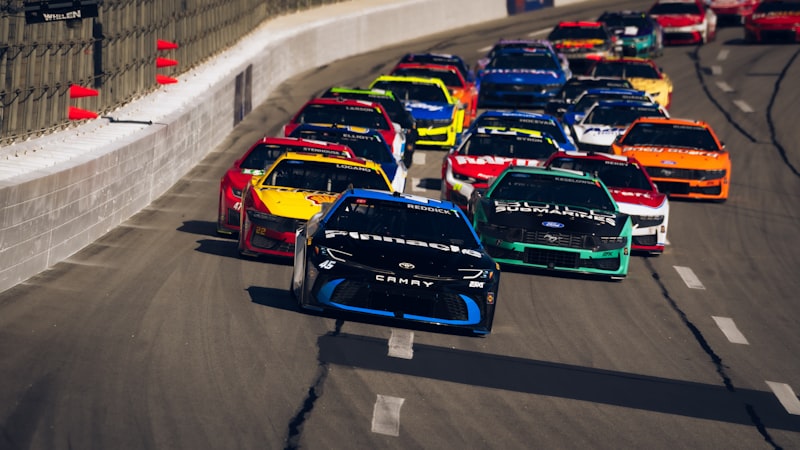
Stock car racing classes build the structure behind every lap, win, and champion. From grassroots Pure Stock races to the elite Cup Series, each class has its own appeal, rules, and demands. In 2026, understanding how these divisions work is vital for drivers, fans, and anyone interested in the sport.
Aspiring racers start in affordable local classes, developing skills and discipline. As they climb the pro ladder, the technical and strategic demands increase. Meanwhile, rules keep competition fair and safe, pushing teams to innovate within boundaries.
If you want to learn more about specific class rules, pro racing ladders, or how to start your own racing journey, explore the rest of the Classes & Pro Racing section here on ecredexa.com. For in-depth rulebooks and safety tips, always check official sources. Take the first step into the world of stock car classes—your path to the podium starts with understanding the rules.
Leave a Reply