

The importance of racing classes in pro scene goes far beyond just organizing cars. These classes shape the entire landscape of professional drag racing. They ensure fair competition, allow for technical innovation, and help drivers progress through the ranks.
Racing classes set clear rules that make all competitions meaningful. This approach helps fans understand what they are watching and gives teams a level playing field.
In this article, we will explore how racing classes work in pro drag racing. We will break down why rules matter, how classes help drivers move up, and how these structures drive innovation. Whether you are new to drag racing or have followed it for years, this guide will deepen your understanding of classes at the pro level.
Why Racing Classes Are Essential in the Pro Scene
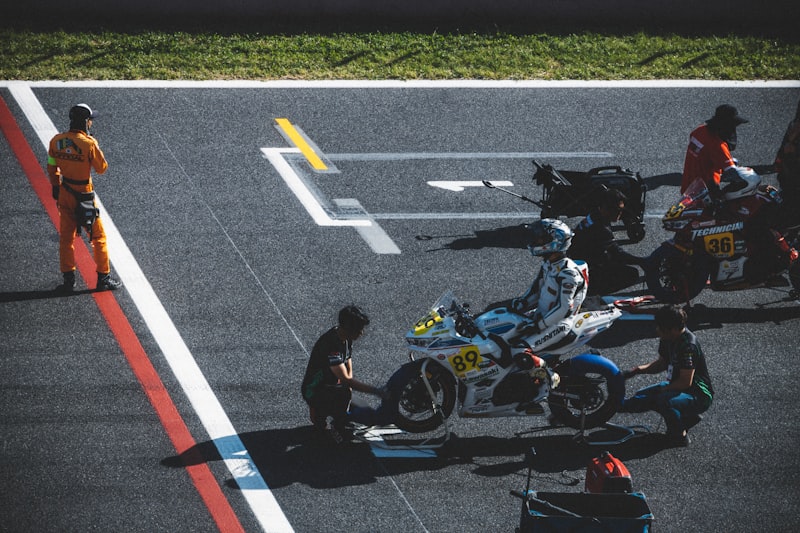
The importance of racing classes in pro scene is rooted in their ability to make competition fair and exciting. Classes divide cars and teams into groups based on performance, safety, and technical limits. Without this approach, races would often be unfair, with well-funded teams dominating every event.
For example, the National Hot Rod Association (NHRA) separates Pro Stock, Funny Car, Top Fuel, and Pro Mod classes. Each class has its own strict rules on engine size, weight, body style, and allowed modifications. In other words, Pro Stock cars cannot simply compete against Top Fuel dragsters—these machines are too different in speed and build.
Because of this, classes keep races close and exciting for fans. When competitors have similar cars, races are won by skill, not just budget. On the other hand, without classes, the gap between slow and fast would get wider and fewer teams could compete.
In fact, regulations also play a major safety role. Each class comes with its own set of safety rules that address the unique risks of different speeds and builds. For example, Top Fuel cars require robust roll cages and advanced fire systems. Pro Stock cars have strict limits designed to reduce risk as well.
In summary, racing classes make pro drag racing much more than a test of raw power. They reward ingenuity, promote safety, and keep the sport competitive.
How Rules Define Each Professional Racing Class
Regulations for pro classes go into incredible detail. For instance, NHRA Top Fuel dragsters run supercharged, nitromethane-fueled engines and can reach over 330 mph. Their engines are limited to 500 cubic inches, and cars must meet tough weight and safety standards. Funny Cars share much of the same technology but are built with different bodies to create more excitement and variety.
Pro Stock cars look like production cars but use tightly controlled engine and chassis rules. They rely on naturally aspirated V8 engines and must match factory specs within narrow limits. Rules like these keep creative engineering in play but prevent runaway spending and dangerous shortcuts.
Because of all this, the pro racing class structure builds a fair, safe, and understandable sport.
The Pro Racing Ladder: How Classes Enable Career Progression

Racing classes are not just for organization. They form the foundation of the professional career ladder in drag racing. Drivers start in entry-level classes and move up as they gain skill, experience, and sponsorship.
In the NHRA and other major organizations, classes like Super Stock or Stock are often where drivers begin. These cars are closer to factory vehicles with lighter modifications and more affordable costs. As drivers prove themselves, they may step up to more advanced classes like Pro Stock. Each promotion brings more power, higher costs, and tougher technical standards.
For example, Erica Enders, a four-time NHRA Pro Stock champion, began racing in the Junior Dragster class before moving up. Her rise through the ranks matches the way racing classes shape the journey from amateur to pro. In this way, the importance of structured classes goes beyond just the racing itself—it allows talent to emerge steadily and gives every competitor a clear path forward.
On the other hand, without classes, the step from amateur to pro would be almost impossible. The cost of competing would keep new talent out. In addition, sponsors can spot future stars more easily in a structured environment, which helps drivers grow their support and skills over time.
Statistics show this pathway works. A National Hot Rod Association report released in early 2026 shows that over 75% of new Pro Stock and Top Fuel drivers started in a lower class. They worked up through the class ladder, gaining technique, experience, and technical knowledge.
In summary, racing classes are the backbone of driver development in pro drag racing.
Technical Innovation Driven by Racing Classes

Racing classes do not just benefit drivers—they also push technology forward. Each class has strict rules, but these rules often challenge teams and engineers to innovate within set limits. This approach results in real gains for the sport and the wider automotive industry.
For example, Top Fuel teams have perfected ultra-light materials like carbon fiber to meet weight rules while still withstanding massive engine power. Pro Stock teams have advanced naturally aspirated engine technology to deliver over 1,400 horsepower from just 500 cubic inches. These gains often spill over into consumer cars.
Because classes have tight limits, engineers look for every small advantage. In Pro Mod, where cars run superchargers, turbochargers, or nitrous systems, teams spend thousands of hours perfecting reliability and power delivery without breaking class limits. When one team discovers a new solution, it often sets a trend others follow.
In addition, class rules force teams to innovate within budget. Instead of endless spending, classes set a clear challenge: get the most from a fixed set of rules. This keeps racing from becoming an “arms race” where only the wealthiest teams succeed.
According to a motorsport technology study, almost 60% of new materials and safety features first tested in high-level drag racing classes make their way into road cars within three years. Because of this, racing classes act as real-world test labs for automotive progress.
Furthermore, the close racing in classes means that tiny improvements often decide races. Teams must push boundaries, but always stay within the rulebook. This creates a unique pressure that feeds technical progress without sacrificing fairness.
Fan Engagement and the Value of Familiar Classes
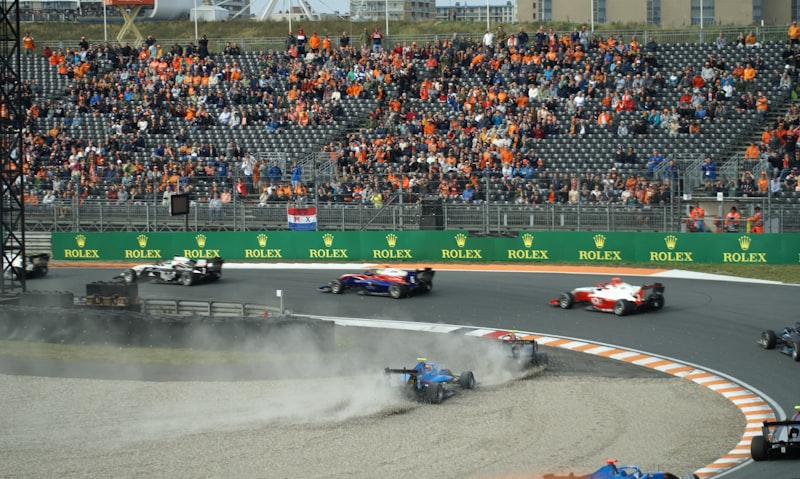
Racing classes do not just benefit teams and drivers. Fans are also big winners. Structured classes give fans a clear way to follow their favorite drivers and understand race outcomes.
Each racing class builds its own unique style and history. For example, the raw speed and thunder of Top Fuel attracts thrill-seekers. Pro Stock, on the other hand, gets respect for its engineering battles and driver skill. As fans learn the differences, they become more invested in the sport’s stories.
The importance of racing classes in pro scene is clear at major events. Races become structured series of battles between like-matched machines. Fans can predict more exciting finishes because the performance gap is small. This approach also makes it easier for new fans to understand what separates a Funny Car from a Pro Mod.
In addition, class-based racing allows sponsors to target their support. This creates colorful team rivalries and new team branding that adds drama for spectators. NHRA national events, for example, draw over 1 million TV viewers for final rounds, with major audience spikes during Top Fuel and Funny Car finals. The class identities drive these ratings.
On the other hand, when classes are absent or confusing, viewers may lose interest. Races get harder to follow and less predictable. This has led governing bodies to invest heavily in education and graphic displays to help explain each class and its stars.
In fact, clear class structure makes drag racing one of the most accessible forms of motorsport. Fans can easily compare results, track records, and see history unfold in each racing class.
How Regulations Evolve to Keep Classes Relevant

No class stays the same forever. Governing bodies like the NHRA, FIA, and others review class rules every year. Technology, safety, and fan interest all drive this evolution.
For example, the NHRA added the Pro Mod class in the 1990s to answer fan demand for more “outlaw” cars. Since then, Pro Mod has become wildly popular, driven by rule changes that kept racing close. Organizers also adjust Pro Stock rules, sometimes allowing new engine technology or body styles to keep costs down or spark new rivalries.
On the other hand, safety is always the core reason for rule updates. When crashes reveal a new risk, regulations respond quickly. In 2026, for instance, NHRA announced new cockpit protection standards for Top Fuel and Funny Car classes. This move came after data showed a small but worrying rise in cockpit fires.
Keeping classes fresh also prevents one team or builder from dominating. When one technology gains too much, updates are made to restore balance. This focus on parity is why drag racing has stayed popular for decades.
Because of this ongoing review, racing classes stay exciting and fair. Fans know they will always see close competition. Teams know that rules give everyone a real chance to win—with the right mix of skill and innovation.
Conclusion

The importance of racing classes in pro scene is deeper than just organizing cars. Classes create fairness, safety, and excitement in every event. They give drivers and teams a roadmap to the top and push technology forward.
In addition, they engage fans and keep each season fresh with updates and innovation. As the world of pro drag racing grows, the class structure will stay vital.
If you want to understand or join the pro scene, study the classes first. They are the backbone of everything that makes drag racing great. Consider following class changes each season at official sites like the NHRA. This will keep you informed and excited about this dynamic motorsport.
Whether you are a fan, driver, or engineer, the structure of racing classes shapes your experience at every level. In summary, racing classes are what make pro drag racing possible, fair, and thrilling year after year.
Leave a Reply