


Diagnosing engine problems after turbo install is a critical skill for any enthusiast or drag racer. When you add forced induction to your engine, you increase both power and risk. It is important to understand what can go wrong and how to fix issues fast.
For ecredexa.com readers, learning this process is vital. A reliable engine means more time racing and less time in the shop. This guide covers which problems appear after a new turbo, how to spot them, and what steps you should take.
Turbo kits can transform your engine, but one mistake may result in severe damage. Therefore, knowing what symptoms to watch for and what checks to perform will keep your drag racing setup running strong. Let’s dig into the details.
Common Engine Issues Detected After Turbocharger Installation
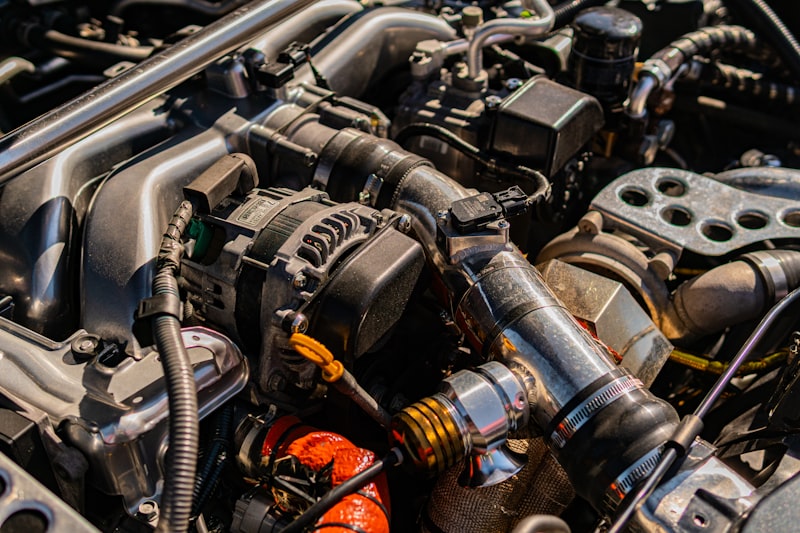
Diagnosing engine problems after turbo install starts with knowing which symptoms matter. Not every hiccup is a crisis, but many engine failures start small. For high-boost drag racing engines, issues often appear right after turbo setup.
First, watch for signs like white or blue exhaust smoke. White smoke often means coolant entering the combustion chamber. This could signal a blown head gasket under high boost. Blue smoke points to oil leaks, often past turbo seals or worn piston rings.
In addition, listen for odd engine noises. Turbo rattle or knock may mean bearing failure or improper mounting. Detonation, or ‘knock’, is more common under boost if ignition timing or fueling is off. This sound can quickly lead to melted pistons or cracked cylinder walls.
An engine that stalls, hesitates, or loses power suggests fueling or ignition issues. Modern drag racing setups push injectors and coils to their limits. A failing fuel pump, clogged injector, or weak coil can all cause misfires.
Boost leaks are another common problem. Improperly secured or cracked hoses may cause pressure loss. As a result, the engine runs lean—leading to hesitation or even damage. Pressure test your charge pipes if you hear a hissing sound or see low boost on the gauge.
Finally, high exhaust gas temperatures (EGT) can signal a lean air-fuel mixture. Running lean raises temperatures, especially dangerous at wide open throttle. EGT sensors help you catch this in time. A spike means it’s time to lift and check your fueling setup.
Not all problems will show up at once. However, the first weeks after a turbo install are the riskiest. Always listen, look, and test during every drive or pass.
Practical Scenario: Intercooler Clamp Failure
A customer at a well-known drag shop installed a new turbo kit with upgraded intercooler piping. On the second week, they noticed a loss of power and a faint whistle. The problem turned out to be a loose intercooler clamp. The boost leak caused both hesitation and a lean air-fuel mixture. Fixing the clamp solved the issue and prevented potential engine damage.
Essential Diagnostic Steps After Adding a Turbo Kit
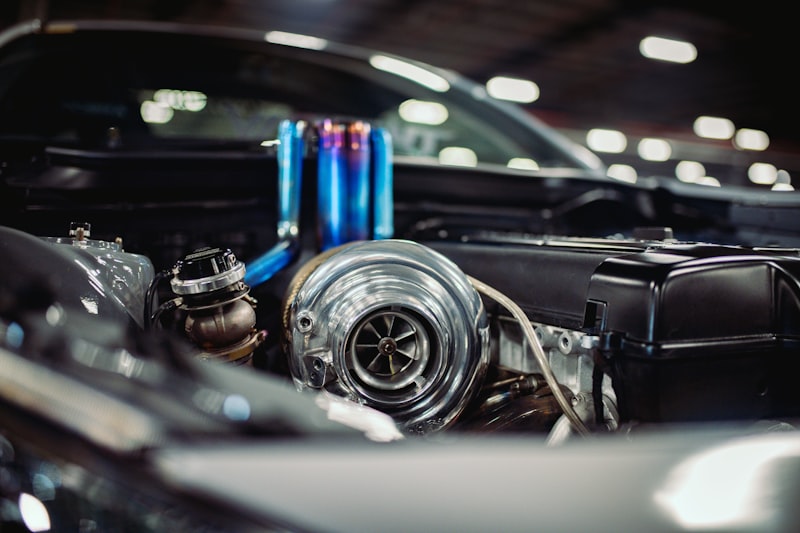
If you suspect engine problems after a turbo install, there is a clear sequence to follow. This approach will help you pinpoint problems before they cause engine failure.
First, always start with a visual inspection. Check for obvious leaks, loose bolts, or disconnected vacuum lines. Look closely at the oil and coolant levels. Any drop may signal leaks under boost.
Next, use a boost leak tester. Attach it to your intake system and pressurize it to typical boost levels. Listen and watch for air escaping. Even a small leak can reduce power or cause the engine to run lean. In fact, studies show that nearly 30% of turbo failures in new installs relate to boost leaks (source: Engine Builder Magazine).
Scan the ECU for error codes. Modern drag racing setups use standalone or piggyback engine management. Error codes often show misfires, knock sensor activity, or sensor failures. Clearing codes and monitoring for new ones is part of every test session.
Measure air-fuel ratio (AFR) under load. Wideband oxygen sensors give real-time feedback. For safe high-boost operation, keep AFR between 11.5:1 to 12.5:1. If your gauge shows lean (over 13:1 during boost), inspect injectors, fuel pump, and regulator at once.
Oil analysis also helps. After running the turbo car or dragster for a few hours, change and inspect the oil. If oil appears foamy, milky, or has metal flakes, stop driving. These are warning signs of coolant leak or internal engine damage.
Similarly, check compression. A leak-down or compression test shows whether the engine seals are healthy. Large drops in compression after a turbo install often signal ring or valve failure, especially if high boost was used on a stock bottom end.
Finally, review the ignition system. Inspect spark plug color and gap. White or blistered plugs show lean running or pre-ignition. Replace all suspect ignition parts before your next track outing.
Special Diagnostic Tip: Monitoring Data Logs
Many racers use data loggers or standalone ECUs. Download and review logs after test hits. Look for rapid boost spikes, ignition knock events, or sudden AFR swings. These metrics help spot hidden problems before they cause a breakdown.
Preventing Engine Failures in Drag Racing Turbo Builds
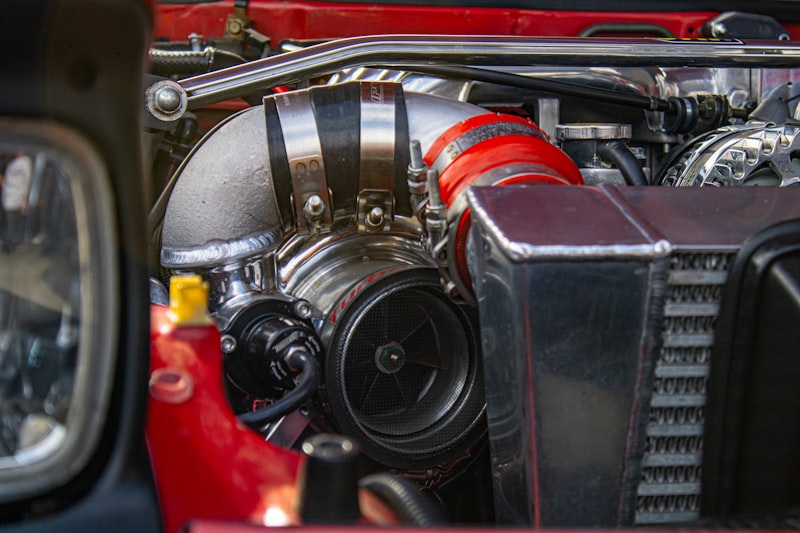
While diagnosing engine problems after turbo install is important, prevention is even better. For drag racing, planning and careful assembly reduce risks from the start.
Always start with a healthy base engine. Compression and leak-down tests before adding boost save time. Many professional tuners recommend built internals—such as forged pistons and rods—for boost levels above 15 psi.
Choose the right fueling hardware. Undersized injectors or pumps cause lean scenarios, even on mild street setups. For example, a turbocharged 600 hp small block Chevy may need 1000cc/min injectors or more. Compare your needs using calculators like those at DeatschWerks.
Upgrade the ignition system as needed. Boost makes spark harder to deliver due to higher cylinder pressure. Use high-energy coils and ensure plug wires are new. For drag racing, colder-range plugs help prevent pre-ignition under wide-open throttle.
Every turbo kit should have quality sensors. Wideband oxygen, EGT, and oil pressure sensors provide early warnings. In addition, regular data logging catches trends—like creeping EGTs or slow fuel pressure drops—that can be missed on a single race pass.
Routine checks after every session matter. Inspect charge pipes for loose fittings and hoses for cracks. Watch fluid levels, especially after hard launches or shake-down runs.
Finally, invest in quality tuning. A professional dyno tune ensures safe air-fuel and ignition maps. In 2026, remote tuning via WiFi makes it easy to get expert help, no matter where you race.
Maintenance Schedules Matter
Set a maintenance schedule. For engines with aggressive turbo setups, replace oil every 10-15 passes. Change spark plugs often and inspect all clamps and fittings. This practice saves money and trouble over the long term.
Troubleshooting Specific Problems After Turbo Installation
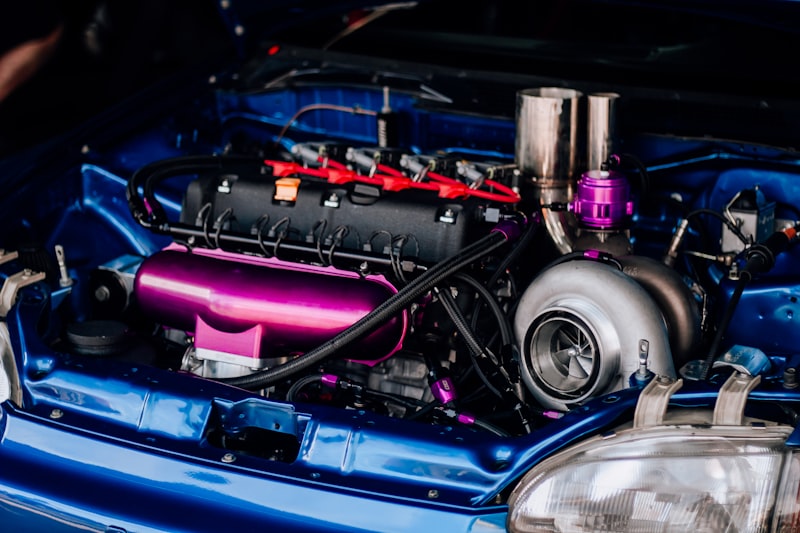
Specific symptoms often reveal the type of engine problem after a turbo install. Here are some issues and targeted troubleshooting tips for drag racing setups.
Excessive Oil Consumption: Losing oil after adding a turbo is common. Check for oil leaks at the turbo feed and return lines. In some cases, oil entering the intake means the turbo seals are bad. On the other hand, if you see oil at the tailpipe but seals are fine, check valve covers and PCV systems. High crankcase pressure under boost can force oil past weak gaskets.
Boost Creep or Overboost: If your engine makes more boost than planned, check the wastegate size and plumbing. Inadequate wastegate flow lets boost rise uncontrollably. This can break pistons in a single pass. Make sure the wastegate moves freely and the controller is set right.
Engine Knock or Detonation: Knock is a killer in high-boost engines. Listen for pinging under load. Review datalogs for knock sensor input. If you see repeated events, pull timing and increase octane if needed. Sometimes, poor charge cooling or a bad tune can be the cause.
Persistent Misfire Under Boost: If the engine misfires under boost only, suspect spark blow-out or broken ignition parts. Increase plug gap and use stronger coil packs. For high-horsepower drag racing engines, CDI or smart coils may be a smart upgrade.
Cooling Problems: Turbochargers add heat. Drag engines often run hot if the radiator or cooling system is marginal. Monitor coolant temps and check for airflow restrictions. In summary, a larger radiator or electric fans can be critical for reliable passes.
Erratic AFR or Fuel Pressure Drop: If you see fuel pressure dropping at high RPM, the pump or filter may be undersized. For example, a 1,000+ hp setup may need two pumps or a return-style system. Check all lines and filters. In addition, scan for injector pulse width in the log—injectors over 90% duty cycle may not keep up.
Real-World Drag Racing Example
During a 2026 drag event, several racers in the Street Outlaw class reported sudden power loss. Track-side checks found most had boost leaks due to cheap silicone couplers splitting. Once replaced with reinforced parts, power and reliability improved. This highlights the need to use high-quality parts and perform routine checks.
Conclusion
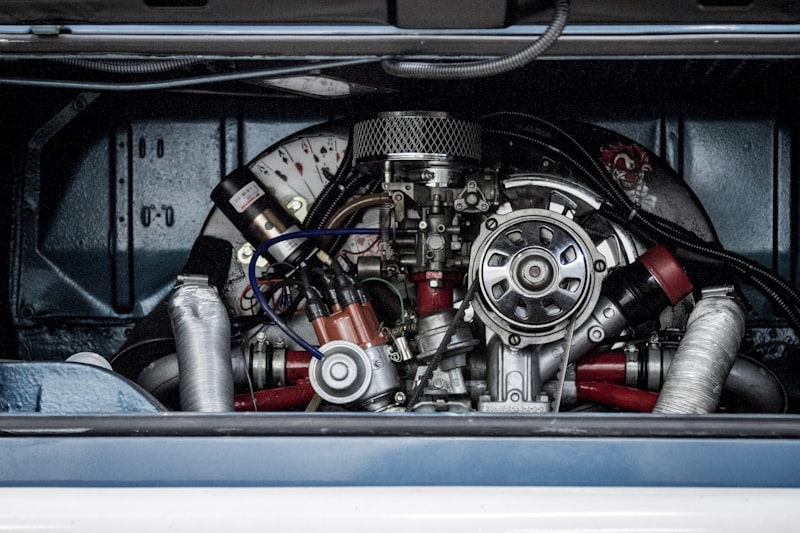
Diagnosing engine problems after turbo install takes patience, skill, and the right strategy. At ecredexa.com, we know drag racing pushes engines to their limits. Therefore, regular checks and smart upgrades make the difference between winning and costly repairs.
Always monitor key signals after a new turbo kit install. Watch for leaks, odd noises, smoke, and changes in performance. Use boost leak testers, datalogs, and real testing to confirm your engine’s health. Do not ignore small problems—they quickly become expensive.
A strong maintenance plan and careful tuning are your best defense. For any racers or builders looking to maximize reliability, follow these tips and keep your turbo engine at its best. Share your experience or questions in the comments, and stay updated with more tech from ecredexa.com.
Leave a Reply