

Understanding what is turbo lag and how to reduce it is key for anyone looking to boost performance in drag racing engines. Turbo lag can be the difference between winning and losing at the drag strip. In this article, you’ll learn exactly what turbo lag is, why it happens, and real-world steps to reduce it in racing engines. We’ll use simple language, give real examples, and link everything to your turbo kit, engine internals, fueling, ignition, and boost control choices.
Drag racing depends on fast response and quick acceleration. Turbocharged engines are popular because they offer big power gains, but they bring challenges. One of the main issues is turbo lag. That delay can make your launch slower, or affect gear shifts. So, let’s break down this issue and see how you can solve it with modern turbo technology and smarter engine builds.
What Is Turbo Lag and How Does It Affect Drag Racing Engines?
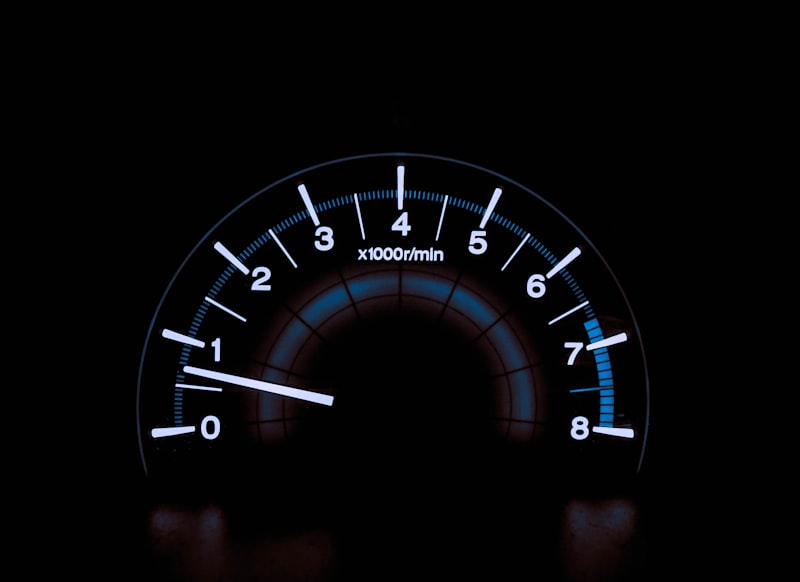
Turbo lag is the delay between pressing the gas and feeling the boost from your turbocharger. This lag happens because the turbo needs time to build up pressure, called boost, in the intake. The exhaust gases must spin the turbo’s turbine fast enough to force more air into the engine. That extra air lets the engine burn more fuel, making more power.
For drag racers, turbo lag matters a lot. In drag racing, launches and gear shifts must be as fast as possible. Any delay in engine response can add time to your run. Therefore, the less lag your setup has, the quicker you can react at launch and during shifts. In other words, fixing turbo lag can give you a real advantage.
Let’s look at a simple example. Imagine you have a 2.0-liter turbocharged engine in your drag car. You step on the pedal, but it takes almost a second for full boost to hit. That second can allow a rival with a better setup to pull ahead. Because of this, racers work hard to tune and upgrade their turbos for less lag and faster response.
There are several factors that cause turbo lag:
- Turbo size: Bigger turbos take longer to spin up
- Exhaust flow: Slow or restricted flow delays turbine speed
- Engine rpm: At very low rpm, there’s less exhaust energy
- Intercooler size: Large, inefficient intercoolers slow pressure build
- Plumbing volume: Longer pipes mean more air to pressurize
- Ball bearing turbos (like Garrett GTX Gen II) often reduce spool time by 20% compared to journal bearing turbos.
- A twin-scroll turbine housing can cut lag by 0.2 to 0.3 seconds, according to TurboTechnics.
- Short, equal-length tubular manifolds (like Full-Race ProStock) give faster boost response versus old cast-iron logs.
- Two-step or launch control: Holds engine rpm and builds boost at launch, so the turbo is already spinning
- Anti-lag systems: Dump extra air/fuel into the exhaust to keep the turbo spooled while off the throttle
- Use forged pistons and rods to handle early boost and high cylinder pressure.
- Choose quality head gaskets and head studs to keep the seal under pressure.
- Switch to motorsport-grade oil and cooling to manage the extra heat from turbo upgrades.
- Monitor air/fuel ratio, EGT (exhaust gas temp), and boost with proper sensors and a data logger.
- Reducing intercooler core volume (but not cooling performance)
- Using heat wraps and coated pipes for hotter, faster exhaust to the turbo
- Port-matching all intake and exhaust surfaces to cut flow losses
According to Engineering Explained and tests by Car and Driver, lag can be over 1 second in some stock setups. Many drag racers aim for lag times well below 0.5 seconds.
Key Engine and Turbo Kit Choices That Affect Turbo Lag
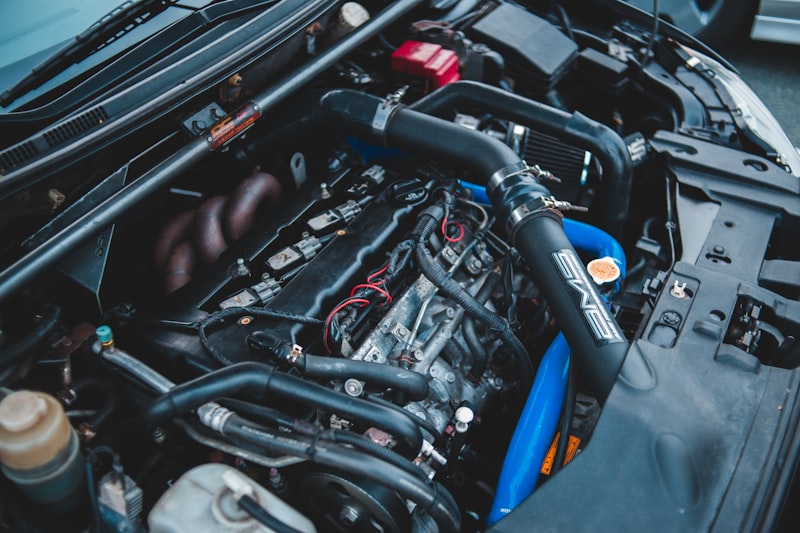
Every part of your turbo kit and engine setup can make turbo lag better or worse. First, turbo size shapes both maximum power and lag. Smaller turbos spool up fast, giving less lag but limiting top-end power. Larger turbos flow more air and can make more power, but spool later, causing more lag.
Matching your turbo to your engine’s size, rpm range, and fuel system is critical. A 1.8-liter four-cylinder will need a different turbo than a 6.2-liter V8 with nitrous. In fact, many modern drag builds use twin-scroll or ball bearing turbos for better spool.
Compressor wheel design also plays a role. Newer blade shapes and lighter materials help the turbo spin up quicker. For example, titanium-aluminum compressor wheels are now standard in high-end racing turbos.
Exhaust manifold design is another factor. An equal-length, tuned manifold reduces lag by improving exhaust flow to the turbo. Short, direct runners work best for spool, especially in twin-scroll systems. In addition, proper wastegate placement helps control boost, cutting overshoot and helping your turbo reach target rpm faster.
The fuel and ignition systems help as well. High-pressure fuel systems and smart ignition tuning improve throttle response. Modern engine management also allows for features like anti-lag and boost-by-gear strategies to handle turbo lag.
Examples of Real Turbo Kit Upgrades
Let’s see how real upgrades cut lag:
In summary, every part of your turbo kit—from turbo model to exhaust runners—impacts lag. Choosing and tuning each piece for your drag car can chop lag to well under half a second.
Boost Control Strategies and Engine Tuning for Faster Spool
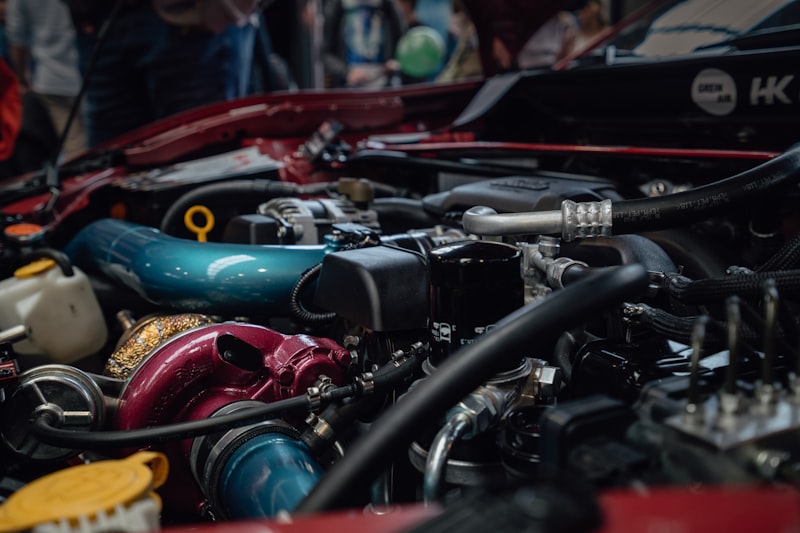
Mechanical design is only part of the story. Controlling boost and tuning your engine’s response are just as vital in drag racing. Electronic boost controllers let you shape how quickly the turbo builds boost. For example, you can set higher boost in lower gears only after the tires grip—helping avoid spinning out at launch.
Boost-by-gear and boost-by-rpm tuning map boost pressure to real-time wheel speed or gear selection. With this system, you can bring in boost faster where traction allows, or delay it where lag might cause bogging. These strategies are now common in modern drag racing ECUs, such as the Haltech Nexus R5 or the FuelTech FT600.
In addition, many racers use features like:
These strategies help shorten lag just before and after launch. For example, some anti-lag systems can keep 10 psi of boost ready even at idle, nearly ending lag at the drag strip.
Tuning also affects lag. You can advance ignition timing, add fuel, or even adjust throttle mapping for better response. However, too much timing or fuel can risk engine damage, so careful tuning is required. Experienced tuners often find 0.2-0.3 second improvements by re-mapping fuel and spark alone.
There are also trade-offs to manage. Aggressive anti-lag or launch tuning adds stress to turbos and exhaust valves. Therefore, balancing fast spool against long-term reliability is vital for consistent results.
Upgrading Engine Internals and Supporting Systems to Manage Turbo Lag
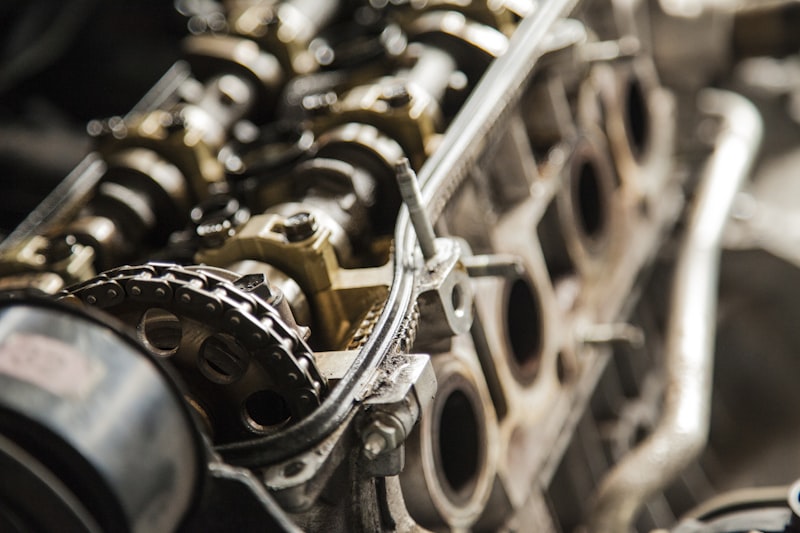
Reducing turbo lag isn’t only about the turbo and plumbing. Strong engine internals and smart supporting upgrades make a big difference in drag applications. For instance, lightweight pistons and rods let the engine rev more freely, sending more energy to the turbo sooner. This makes the turbo spool faster.
Higher compression ratios can also help. By squeezing more air and fuel per cycle, the engine sends hotter, faster exhaust to the turbo at low rpm. However, compression must be managed carefully to avoid detonation under boost.
A free-flowing exhaust system, including race downpipes and low-backpressure mufflers, helps the turbo spin up fast. Less restriction means the turbine sees more exhaust energy, cutting lag.
Intake systems also matter. Shorter, direct intake piping and efficient intercoolers reduce the volume of air the turbo must pressurize. This means less delay before the boost hits.
Finally, proper fuel supply and strong ignition are key. Drag cars often use high-flow injectors and ignition coils to match boost pressure with clean, quick combustion. This way, response stays snappy even at high boost.
Reliability Tips for High-Boost Drag Racing Engines
When making upgrades for less lag, reliability must stay top priority. Here are key tips:
An engine that breaks under pressure won’t win races, even if it has zero lag. Therefore, balance every mod for both speed and strength.
Practical Ways Drag Racers Reduce Turbo Lag in 2026
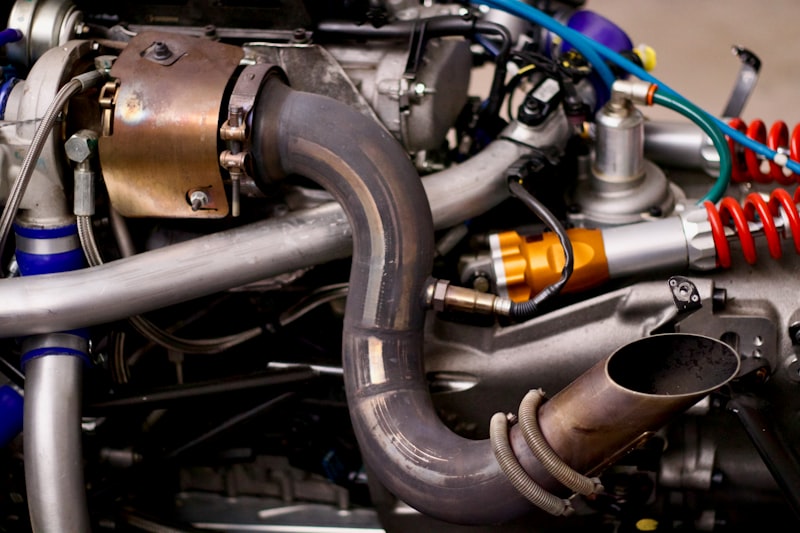
Drag racers in 2026 use a mix of tech and old-school tricks to tackle turbo lag. Let’s see some proven tactics:
First, many use modern ball bearing turbochargers. These spin up 15-30% faster than old journal bearing units. For example, the BorgWarner EFR series is famous for quick spool and light rotating parts.
Second, twin-scroll and divided exhaust manifolds split the exhaust pulses. This setup boosts turbine speed at low rpm. The result is quicker spool—up to a 0.3 second improvement, based on real-world tests on 600+ hp drag builds.
Third, close-coupled wastegates help the turbo reach target rpm sooner. This enables more accurate boost control and less “creep.”
In addition, racers often fit smaller turbos on multi-stage kits for fast response. This approach is common on import drag engines making under 1000 hp. On the other hand, large single turbos on big V8s use nitrous or anti-lag to help spool.
Other proven approaches include:
Finally, launch control (like MSD or Holley HyperSpark) helps pre-spool the turbo for instant boost at the green light. Data from pro drag teams shows faster 60-foot times by up to 0.2 seconds using these setups.
It’s clear that smart turbo selection, paired with electronic control, plumbing upgrades, and solid engine building, will shrink lag even on powerful drag racing engines.
Conclusion
Turbo lag is a key challenge for anyone running turbocharged drag racing engines. In this guide, you’ve learned what is turbo lag and how to reduce it using the latest methods in 2026. From choosing the right turbo and manifold to using boost control strategies and supporting upgrades, you now know the best ways to cut lag.
Reducing turbo lag leads to faster, more consistent launches and better ETs at the drag strip. Remember, it’s about matching parts, tuning with care, and always monitoring reliability. Explore expert sources such as Engineering Explained and Car and Driver’s Turbo Tech for deeper reading.
Ready to build or tune your engine for maximum response? Apply these lessons and watch your next run leave lag—and the competition—behind.
Leave a Reply