

Understanding the key differences in international track competition rules is vital for anyone involved in global drag racing. Every major track around the world operates under specific guidelines. Knowing how these rules differ is essential for drivers and teams aiming to compete internationally.
Drag racing has evolved into a global sport. Races in the United States are not identical to those in Europe, Australia, or Asia. Differences in regulations can affect every aspect of competition, from track length to vehicle requirements.
This article guides you through crucial distinctions in international drag racing rules for major events and iconic tracks. We explain how variations in regulations and safety standards affect competitors. This knowledge helps both casual fans and seasoned racers navigate the diverse world of global drag racing championships.
Track Specifications: Length, Surface, and Layout Across Borders

The first major area where international drag racing rules differ is in track specifications. This includes track length, surface type, and overall track layout.
In the United States, the National Hot Rod Association (NHRA) usually sticks to the traditional drag strip length of a quarter-mile (1,320 feet). However, since 2008, many NHRA Top Fuel and Funny Car events have used 1,000 feet for added safety. In contrast, tracks in Europe, governed by the FIA, almost always stick to the full quarter-mile.
On the other hand, Australian drag racing, under ANDRA (Australian National Drag Racing Association), also uses the quarter-mile as the standard but sometimes permits 1,000-foot races for specific classes. In Japan and some Southeast Asian countries, tracks can be shorter due to available space, with some events running on ⅛-mile tracks.
The material of the track surface is also a key difference. American tracks tend to use high-grade asphalt blended with concrete for better grip. In Europe, some tracks—especially older facilities—may still feature pure asphalt or surfaces less ideal for extreme power. Because of this, tire selection and car setup strategies often change from region to region.
Additionally, starting lines and finish markers can vary. American tracks usually use a bright, clear “Christmas Tree” starting system. Tracks in other regions may use different signal lights or older timing equipment. For example, Santa Pod Raceway in the UK uses the European system, distinct from American setups.
Therefore, racers must prepare for these physical and technical differences to compete effectively. Knowing the track length, surface, and timing systems before a race can determine strategy and safety measures. You can read more about track standards at the FIA official website.
Vehicle Classes, Tech Inspections, and Legal Modifications
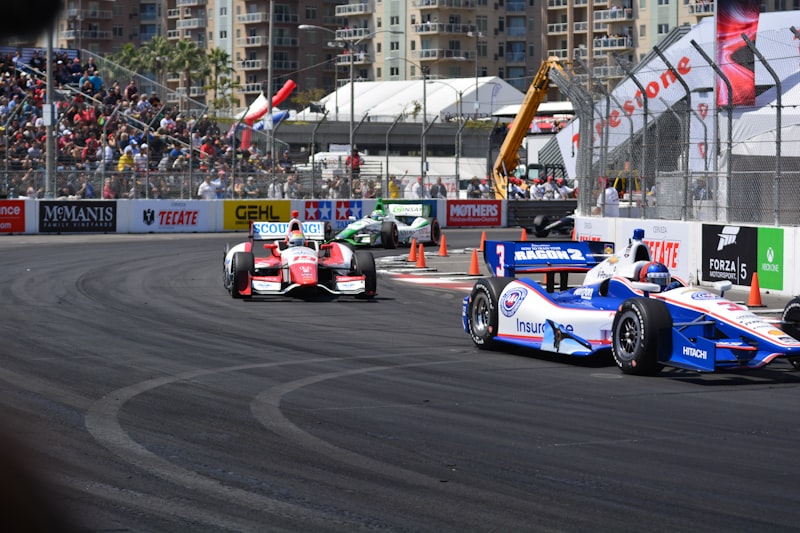
The second key set of differences involves vehicle classes, technical inspections, and what modifications are legal in each country.
Each country and sanctioning body sets its own vehicle classification and tech standards. For example, NHRA in the US regulates dozens of classes—from Top Fuel to Stock Eliminator. Each class has strict guidelines on engine size, tire type, weight, and fuel type. In Europe, FIA’s classes are similar but have unique entry rules. There are often extra steps for technical inspection, and engine displacement limits may differ.
For instance, some American “Pro Mod” vehicles may use certain nitrous setups that FIA events do not permit. In Australia, ANDRA allows slightly different combinations for their Outlaw classes. This means a vehicle legal for an NHRA event may not pass tech in England, Sweden, or Sydney.
Tech inspections themselves can be more rigorous in some European tracks. Certain safety features, such as remote fuel shutoff or roll cage specs, are mandatory in Europe but optional in smaller US events. In addition, some countries require every car in the paddock to pass noise level inspections. This affects both exhaust modifications and engine tuning.
Because of this, teams often need to modify their cars before shipping them to a new region. For example, American teams attending European FIA events must check all safety harnesses, window nets, and kill switches to ensure European compliance. Failure to do so can mean automatic disqualification.
Similarly, entry-level and grassroots events outside the United States sometimes allow experimental or home-built vehicles that would never pass stricter US regulations. This flexibility can encourage innovation but may create confusion for international competitors. As a result, thorough research and preparation are vital when planning to race internationally. Teams need to pay close attention to event entry rules and vehicle tech inspections.
Safety Standards and Emergency Procedures: How Rules Vary Worldwide

Safety is a top concern in drag racing everywhere. However, the rules for driver and crew safety, plus emergency procedures, are not the same worldwide.
First, let’s look at required safety gear. In NHRA-sanctioned US races, racers must wear fire-rated suits, helmets, neck restraints, and gloves specific to their class and speed. FIA rules in Europe are very similar, requiring fireproof clothing and helmets meeting strict FIA approval. However, helmet and harness certifications have different renewal periods and labeling, which can confuse competitors moving across regions.
Australian tracks, under ANDRA or IHRA Australia, also demand approved gear, but sometimes accept different brands or European certifications. This can result in US or European racers having to buy new gear to comply with local regulations.
Trackside emergency response also shows marked contrasts. American tracks often have on-site fire and medical crews for each major event. In Europe, some smaller events share first responders with the larger hosting venue, which can mean longer response times. Japanese tracks may follow strict earthquake and evacuation protocols due to local risks—something unheard of at most US drag strips.
Barrier construction and shutdown area rules are another major variation. In the US, soft walls, gravel traps, and long shutdown roads are common at big tracks. In Europe and Asia, the designs may have stricter fencing or shorter run-off, which changes the risk profile.
Because of these differences, racers need to understand what medical support they can expect. This means reading all pre-race guides and speaking with local officials. For comprehensive safety guidelines and statistics, visit the International Hot Rod Association safety archive.
Racing Formats, Points Systems, and Championship Structure Across Major Events

Finally, another crucial area where international drag racing rules contrast is in race formats, points systems, and how championships are structured and decided.
In the United States, the NHRA series uses a bracket-style elimination format. Drivers compete head-to-head, with winners advancing to the next round until a final champion is decided. The points system rewards event wins, round victories, and even qualifying performance. The championship runs on a calendar-based season, with a playoff round known as the “Countdown to the Championship” near the end.
Europe’s FIA drag racing championship uses a similar elimination bracket. However, its points system may differ in how it values qualifying, lowest ETs, and national series wins. Sometimes, local regulations allow for bonus points that do not exist in American races. Australian championships also add complexity by including unique feature rounds and regional qualifiers that can help smaller teams enter the main series.
In Japan and Southeast Asia, some events use time trials instead of elimination brackets. The winner is simply the car with the best elapsed time, not the last car standing after traditional rounds. This system rewards consistency and technical setup rather than only round wins.
Junior and sportsman categories outside the US can also have very different championship structures. For example, some European “junior dragster” events use round robins instead of elimination, allowing racers more guaranteed runs.
How prize money is distributed also varies. In the US, winning a major NHRA event may pay out tens of thousands of dollars. European payouts are often lower but include unique trophies or sponsorship packages.
Because of this, drivers aiming for global championships must train for different race environments and scoring systems. Strategic planning is as important as pure speed. Competitors should always review the current season rules before entering new series to avoid surprises.
The Impact of Local Laws, Environmental Policy, and Cultural Factors

Beyond direct competition rules, local laws, environmental policies, and culture shape drag racing rules and their application worldwide.
Noise ordinances, for example, are strict in many European countries. Tracks near urban areas must conform to local decibel limits. This means certain exhaust setups or aggressive burnout shows common in the US may not be allowed. In Australia, some tracks in wildlife zones must shut down at sunset due to animal protection laws.
Fuel type regulations are another important difference. NHRA tracks in the US commonly use high-octane race fuel and nitromethane. By contrast, some European countries require biofuels or restrict nitromethane levels due to emissions policies. This not only affects power but also engine tuning and maintenance strategies.
Environmental sustainability is now a big factor. In fact, a number of international championships have added “green tech” requirements, rewarding teams for lower emissions or recycled material use. Japanese events are often held at airports with strict environmental compliance, which limits fueling, washing, and even tire disposal practices.
Cultural differences also play a role. In Asia, local customs may affect tech inspection (like removing shoes before entering an inspection bay). Australian events often focus heavily on community and spectator involvement, weaving social activities into race days. These small factors can change the race weekend experience for international teams.
Because of these outside influences, every drag racer traveling abroad must research local laws and customs in advance. Teams that adapt to both racing rules and cultural factors often enjoy safer, smoother, and more successful international competitions.
Conclusion

In summary, the key differences in international track competition rules can affect every aspect of a drag race. From track length and surface to vehicle tech inspections and safety standards, the rules are rarely the same country to country. Additionally, race formats, championship points, and local cultural or legal policies impact how global drag racing events function.
Understanding these differences is critical for teams aiming to compete on the world stage. Preparation starts with careful study of event rulebooks and ongoing dialog with local officials. Therefore, successful international teams take nothing for granted. Instead, they research, adapt, and bring a global mindset to every race.
Whether you are a driver, mechanic, or devoted fan, knowing how drag racing rules vary worldwide will help you enjoy and succeed in this exciting sport. For further information and updated global resources, consider checking official sites like the FIA and IHRA.
Keep learning, and you might be the next champion on an iconic international track.
Leave a Reply