

Gaining a clear understanding of drag racing class safety regulations is key for anyone entering the world of competitive racing in 2026. These rules exist for a good reason. They help keep drivers, crews, and spectators safe while making every race fair and organized.
Drag racing has many unique rules. From the moment you roll into the staging lanes to the second you cross the finish line, safety and order take priority. This article will explain the essential rules of the track, staging procedures, signals, and required equipment. Whether you are a newcomer or an experienced racer, knowing these requirements is crucial.
Rules of the Track: Safety and Order on the Drag Strip
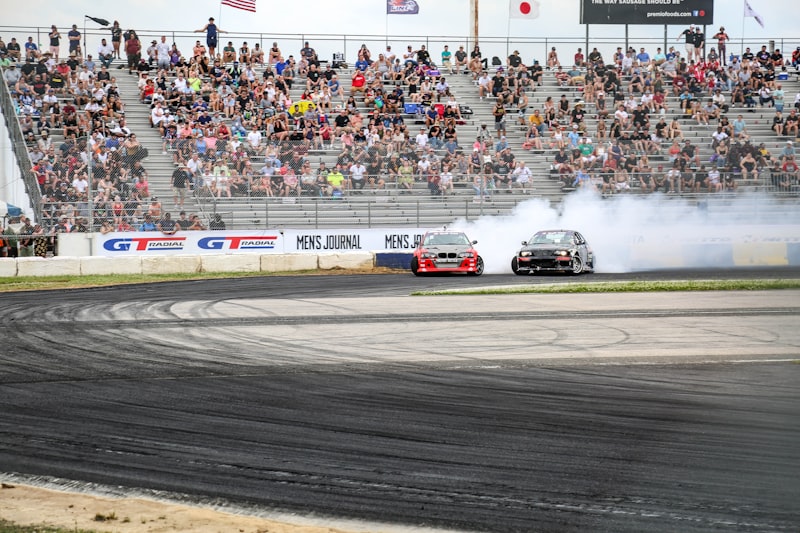
Understanding racing class safety regulations starts with knowing the strict rules that govern the track. Every race, no matter the class, follows a set of standards designed by organizations like the National Hot Rod Association (NHRA) and International Hot Rod Association (IHRA).
First, let’s look at some basics. Tracks use speed limits in pit and staging areas. Drivers must keep speeds below 10 mph outside the actual race lanes. This keeps bystanders safe. Marshals monitor these areas, and there are penalties for violations. On most tracks in 2026, a first violation brings a warning. However, repeated issues can mean disqualification.
Race vehicles must meet certain inspection points before lining up. Staff check for loose items, leaking fluids, or defective safety equipment. For example, a driver with a faulty helmet or improper harness cannot race until issues are fixed. These rules apply equally to all classes, whether it’s beginner street cars or top-level dragsters.
Track rules also address using the return road. After a run, drivers must quickly leave the finish area to keep the race moving safely. In addition, it’s common to see safety crews on standby, ready to respond in seconds to accidents or fluid spills. Because drag racing is fast-paced, quick responses are vital.
Track rules include technical details for each class. For example, a driver in an 8.50-second street car must pass more strict inspections than someone in a 12-second production car. These details include roll cage design, mandatory fire jackets, and even parachute use for the fastest classes.
For more in-depth standards and updates, you can visit the NHRA Rulebook.
Staging Procedures: Getting Ready to Race
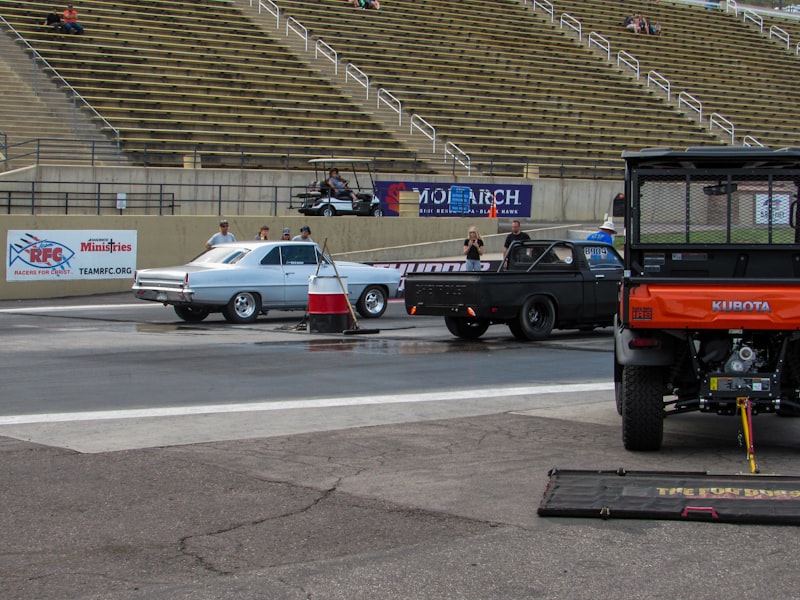
The start of a drag race involves a process called staging. This routine keeps the racing fair and ensures drivers are ready and alert. Understanding this approach is essential for all racers.
Staging begins as drivers move from the pit to the lanes, usually under guidance. As a result, mistakes and confusion at the starting line are rare. In most sanctioned races, a staff member signals each car when it’s their turn. Drivers then line up in pairs at the starting area.
The “pre-stage” indicator lights up when the front tire breaks the first beam sensor. This signals that the car is close to the official start position. By moving a little further, the driver activates the “stage” beam. Both cars must be fully staged before the race begins.
However, if a driver rolls too far forward and breaks the second beam, it’s called a “red light” or foul start. As a result, that racer is usually disqualified from that round, depending on bracket rules.
Staging rules differ between heads-up, bracket, and index classes. For example, in heads-up racing, both cars start at the same moment. In bracket racing, each car may have a staggered green light based on its dialed-in time.
Track officials watch this process closely. They instruct drivers to correct errors and restart if needed. In fact, repeated failures can lead to penalties or suspension for the session. Staging is not just about starting the race—it’s about upholding safety and fairness. In some classes, drivers must prove they can stage safely during licensing runs before racing officially.
In summary, staging is a controlled, step-by-step approach that protects participants, ensures readiness, and keeps all races consistent.
Flags, Lights, and Communication on the Track

Clear communication is a pillar of drag racing safety. Therefore, drivers and crews must understand the meaning of every signal used on the track. The most common forms are flags, warning lights, and the “Christmas Tree”—the light system that governs starts.
Track workers use different colored flags for urgent communication. A green flag signals the track is clear and racing can continue. A yellow flag means caution, often because of debris, leaking fluids, or a slow-moving car. In emergencies such as an accident or fire, a red flag stops all racing until the situation is safe.
The Christmas Tree system combines colored bulbs to guide drivers through the start sequence. It usually has three amber lights at the top, a green for go, and a red for a foul start. For example, when the staging beams are set, three amber lights countdown at precise intervals. When the green light flashes, it signals the legal start. A red light means the driver left too early.
In addition, some tracks use warning lights and sirens to signal more serious hazards. If a light flashes in the shutdown area, it means emergency staff are on the way, and drivers must slow down and clear the track quickly.
Spotters may also use hand signals to direct cars in the pit area. For example, they may hold a hand up to signal stop or wave cars through with sweeping gestures. On many modern tracks, PA systems broadcast real-time updates and warnings in both the paddock and stands. Because of this, everyone stays aware and ready to respond.
Understanding these signals is more than tradition. They are critical safety tools. Even experienced racers review flag and light signals before each season, as rule changes or local customs can appear. For those new to drag racing, many tracks offer rookie orientation sessions focused on safety communications.
Essential Safety Equipment for Each Drag Racing Class
Every drag racing class, from beginner street categories to professional Pro Stock, must follow detailed equipment rules. The right safety gear is not only required by most tracks, but also protects racers from serious injury or worse.
The most basic requirement is a helmet. As of 2026, NHRA requires Snell SA2025 or newer helmets in almost every class. In addition, drivers need fire-resistant jackets or multi-layer suits. For cars faster than 10 seconds in the quarter-mile, both the jacket and pants must be fire-rated. Many successful racers share stories where good fire suits prevented burns during engine fires.
Seat belts and harnesses are also standardized. All cars must use at least a five-point racing harness, inspected for wear every year. Cars under 11.50 seconds require harnesses certified within the last two years. In fact, failure to meet this standard leads to an instant ban until fixed.
Roll bars and roll cages are another key factor. Beginners in slower cars may only need a basic roll bar. On the other hand, cars running under 10.00 seconds need more advanced cages certified for the car’s speed and weight. Installation must match strict technical drawings, with weld inspections at major events.
Fire suppression systems are now required in many classes. Especially for cars using nitromethane or other high-risk fuels, built-in extinguishers can reduce fire damage and save lives. Track rules usually require regular checks and professional certification of these systems.
Tires, battery boxes, and windows are also regulated. Tires must have a set tread depth and correct rating for the car’s class. Non-stock batteries need sealed mounts and venting systems. On top of that, windows must be closed and made from shatter-resistant materials.
Every year, rulebooks are reviewed and updated. Racers and teams are encouraged to check official sources like the IHRA Safety Page for the most recent requirements.
Importance of Ongoing Inspections and Personal Responsibility
Safety equipment must not only be present but also in top working condition. Tracks run pre-race inspections before every major event. Officials check stickers, helmet dates, harness expiration, and even suit ratings against published lists.
In addition, racers must stay alert for signs of gear failure. For example, spotting a worn patch on a fire suit or a loose harness bolt and fixing it before a race can be the difference between a close call and a tragedy. Drivers are personally liable for their readiness on race day.
Education is another key part of the safety culture. Many tracks and racing clubs offer online workshops, rule updates, and hands-on demos to help racers stay current and safe.
Conclusion

Understanding drag racing class safety regulations means learning and respecting the systems that keep everyone safe. Rules of the track, careful staging, clear signals, and good equipment all work together to protect racers and fans.
It takes personal commitment to follow these standards. Yearly updates and inspections ensure drivers use the latest, safest gear. New racers should seek out educational resources and always ask pros or officials when unsure about a rule.
In 2026, safer tracks and smarter drivers mean more fun—and more fair drag racing. Review the latest rulebooks, check your gear, and make safety your top priority every time you race. For more in-depth technical details and updates, refer to trusted bodies like the NHRA and IHRA. Start your racing season strong by being prepared.
Leave a Reply