

When tuning a drag racing engine, the “turbo vs bigger engine” debate is almost unavoidable. Many racers face this choice when they want to upgrade power. Should you use forced induction or just go for more displacement?
This question affects every part of a project build, from cost to reliability. In fact, choosing the wrong path can mean spending more with little gain. Therefore, it’s critical to know the facts before you decide.
In this article, we’ll break down what each option offers for drag racing. We’ll use real examples, tackle cost, reliability, and performance, and help you decide what fits best for your next engine project.
Turbo vs Bigger Engine: How Each Approach Changes Drag Racing Engines
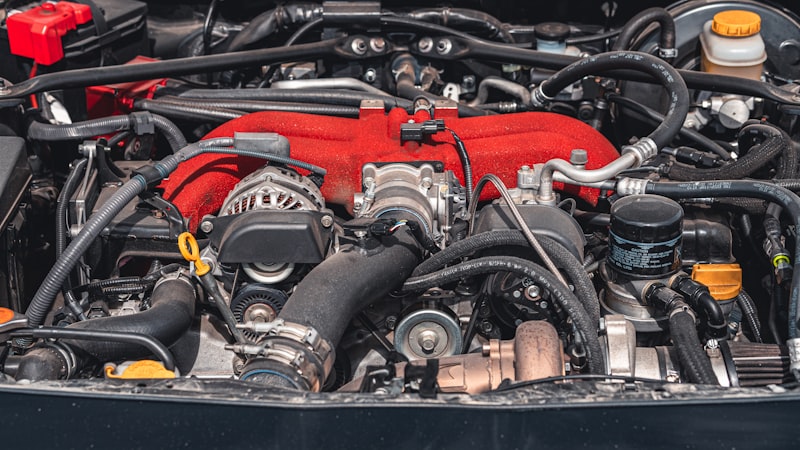
Understanding how each system works is the first step in the “turbo vs bigger engine” discussion. Both can boost horsepower, but do so in different ways. Veja tambem: Are VW Turbo Engines Reliable? In-Depth Guide for Drag Racers.
A bigger engine means increasing your engine’s displacement—often by boring it out, stroking it, or replacing it with a larger short block. For example, swapping a Chevy LS1 (5.7L) for an LS3 (6.2L) is a classic route. Bigger engines create more torque and power because they burn more air and fuel with each stroke. This approach is often called “building the bottom end” for strength. Veja tambem: Motor Turbo Como Funciona: How Turbo Engines Work and Boost Drag Racing.
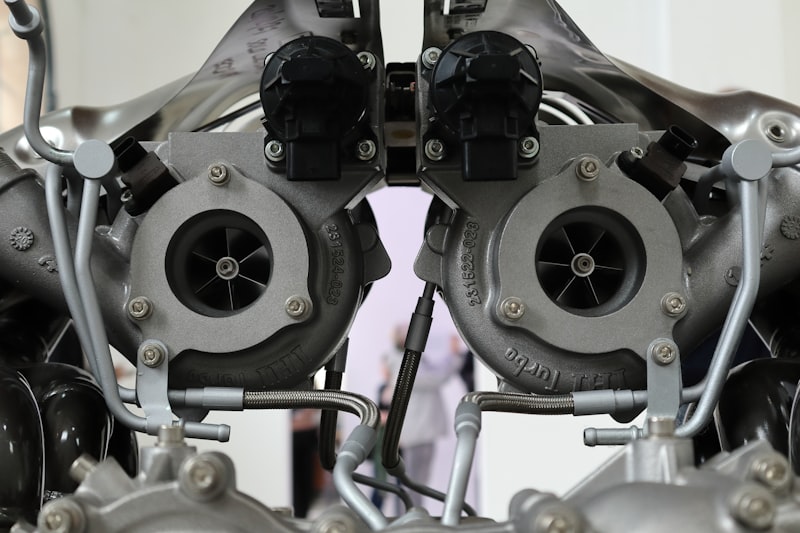
On the other hand, adding a turbo means keeping your current engine size but using forced induction to cram in more air. This helps the engine burn more fuel and make more power. Turbocharging can double or even triple the horsepower of the stock motor with the right setup. For example, a 2.0L Honda K20 engine can jump from 200 hp to over 500 hp with proper turbo tuning. Veja tambem: Motor Turbo Hélice Como Funciona: How Turbo-Prop Engines Power Drag Racing.
Both options come with unique challenges. Building a bigger engine usually means more weight and more expensive internals. You may need a new crank, rods, pistons, and block. In addition, the rest of the drivetrain may also need upgrades to handle torque.
Turbocharging, however, often requires changes to fueling, ignition, and boost control. It may also mean dealing with turbo lag or complex heat management. Therefore, the real-world impact depends on your specific drag racing goals.
Building the Ultimate Drag Engine
A key point for racers is that turbochargers and bigger engines can also be combined for even more power. However, for the sake of this comparison, we are focusing on choosing one main method for street-legal drag builds.
In summary, both methods aim for the same result: more power. However, they get there in completely different ways and with unique effects on your build.
Comparing Power Gains, Cost, and Complexity

After you understand the basics, it’s important to look at power gains, cost, and build complexity. These are often deciding factors for drag racers on a budget.
A larger engine offers “all-motor” power increases. For example, a 5.3L LS engine might make 350 hp naturally aspirated, while a 6.2L version can make 430 hp on the same fuel. The difference comes straight from displacement, without needing boost. However, there are limits to how large you can go without major block or chassis changes.
Turbochargers, in contrast, allow smaller engines to make huge power. For instance, a turbocharged 2JZ-GTE (Toyota’s famous 3.0L inline-six) can deliver over 1,000 hp in drag setups. The aftermarket is full of turbo kits capable of doubling stock output on many platforms.
However, adding a turbo means more parts and more tuning expertise. You must choose the right turbo size for your goals. You will also need upgraded fueling and intercooling. Because of this, costs vary depending on how much power you want. Some budget-friendly turbo kits are below $2,000, but full race-ready systems can cost $10,000 or more.
On the other hand, building a bigger engine is not cheap either. A quality stroker or big-block build can also exceed $10,000 with strong internals. The cost can be even higher if you need to reinforce the chassis or transmission.
In addition, bigger engines are heavier. This can hurt weight distribution and handling on the strip. Turbo systems have their own weight, but often add less than a higher displacement engine.
In the end, turbochargers often offer a better horsepower-per-dollar ratio. However, tuning and reliability can be trickier, especially for first-time builders. If you want simpler, more set-it-and-forget-it power, a bigger engine might be right for you.
For a deeper technical explanation, Engineering Explained gives a great breakdown of how turbos compare to naturally aspirated setups.
Reliability, Durability, and Tuning Strategies for Drag Racing
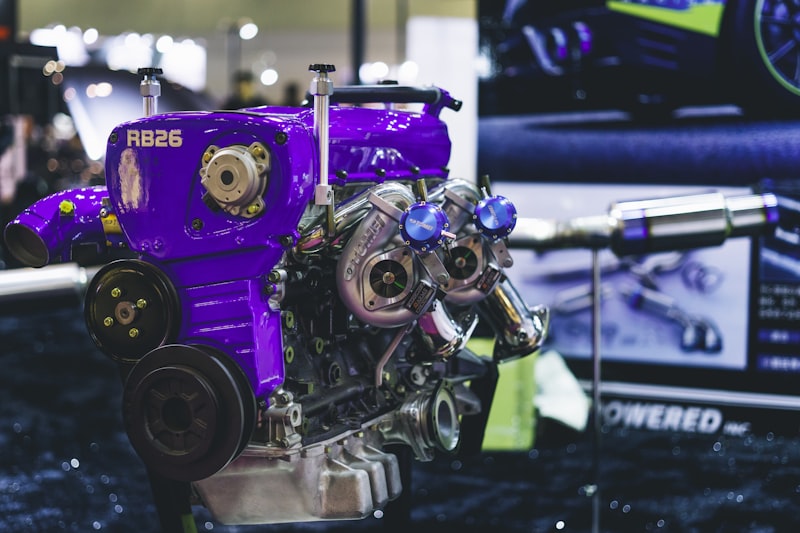
Reliability is critical in drag racing. Broken parts mean races lost and money wasted. When you go down the turbo vs bigger engine path, think about what will last under high power and stress.
Bigger engines generally offer a more straightforward path to reliability. Since there is no additional forced induction pressure, the stress on other parts may decrease. For example, a naturally aspirated big-block V8 often lasts many more runs between rebuilds than a turbocharged four-cylinder built to high boost.
However, this is not always the case. Modern turbos and engine management systems have come a long way in 2026. Many drag teams now run small-displacement turbo motors into the 7-second quarter mile zone. For example, the Honda Civic drag scene regularly sees K24 turbo builds make over 800 hp and survive multiple seasons with the right parts and tuning.
Tuning, though, is key. With forced induction, the margin for error drops. Running lean under boost can cause instant engine failure. This is why turbo drag cars need precise fueling, ignition timing, and electronic boost control. Advanced ECUs with real-time data logging are now standard. Many tuners use wideband air/fuel gauges and knock sensors to keep the engine safe.
On the other hand, big engines with lower compression ratios may run on pump gas and need less day-to-day tuning. They are often more forgiving of imperfect fueling, especially at lower power levels.
In addition, turbos introduce heat. They demand upgraded cooling and oiling systems. Builders often add larger radiators, oil coolers, and even water-methanol injection systems to keep temps in check.
For further info on reliability and tuning, Dragzine’s tech section has in-depth guides on turbo and engine builds.
Making the Best Choice for Your Drag Racing Needs
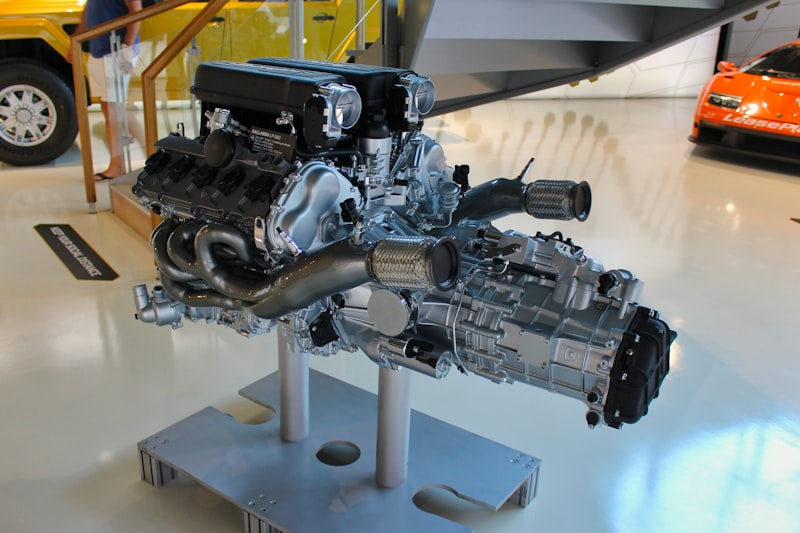
Finally, the best answer to “turbo or bigger engine?” is unique to your goals and situation. This decision must factor in class rules, your desired power level, existing parts, and even what makes your project fun for you.
If you race in a class that limits turbo size or displacement, that could make the decision for you. Some grassroots drag leagues only allow naturally aspirated engines up to a certain size. In that case, a bigger engine is your only legal option.
On the other hand, in classes with open engine swaps or few forced induction rules, turbo builds are very popular. They allow smaller, lighter cars to punch above their weight. This is common in import drag racing, but even V8 classes now see “boosted” entries more often.
Budget is another major concern. Turbo builds may seem less expensive at first. However, the cost of supporting mods can creep up fast. Stronger rods, forged pistons, upgraded fuel injectors, and reliable engine management are almost always required. You may also need to raise your insurance or invest in more safety equipment (like scatter shields and better brake systems).
A bigger engine often needs fewer complicated electronics and less custom fabrication. In fact, many racers prefer the instant response of all-motor power. However, weight and space in the engine bay may become issues. Vehicles like classic muscle cars or large sedans often have room for bigger engines. For smaller import chassis, turbos are often the only practical option.
Similarly, think about your own skills. Turbo engines offer more tuning flexibility but may demand more know-how. If you enjoy the learning curve of boost control, data logging, and “chasing the perfect tune,” then turbo might be for you.
Conclusion
In the “turbo vs bigger engine” battle, both approaches can deliver serious drag strip power. Bigger engines create strong, reliable horsepower—often with less electronic complexity. In contrast, turbocharging gives massive gains from small packages.
Costs are high for both, but turbos may win in horsepower-per-dollar. However, they need more careful tuning and heat management. You must look at your drag racing class, budget, knowledge, and long-term needs before choosing.
For many modern racers, combining both—a big boosted engine—delivers the best results. But for single-method builds, stick to what matches your strengths and goals. Every dragstrip victory comes down to careful planning and setup. Choose wisely and enjoy building your next champion engine.
If you want more tech tips, guides, and examples for your drag racing projects, check out the main categories at ecredexa.com. Your perfect boost or displacement build could be just a few smart upgrades away.
Leave a Reply