

When it comes to drag racing, understanding common violations of drag racing rules is critical for every racer. These rules are not just guidelines—they are essential for safe, fair, and smooth racing.
Drag racing has grown in popularity over the years. Because of this, rule enforcement has tightened across tracks in the United States. Knowing which mistakes are most common will help you stay safe and avoid penalties.
In this article, we will break down the most frequent rule violations. You’ll learn why they happen, see real-world examples, and find tips to avoid making these mistakes. All sections align closely with rules and safety—the core of this blog category.
Most Frequent Safety Equipment Violations in Drag Racing
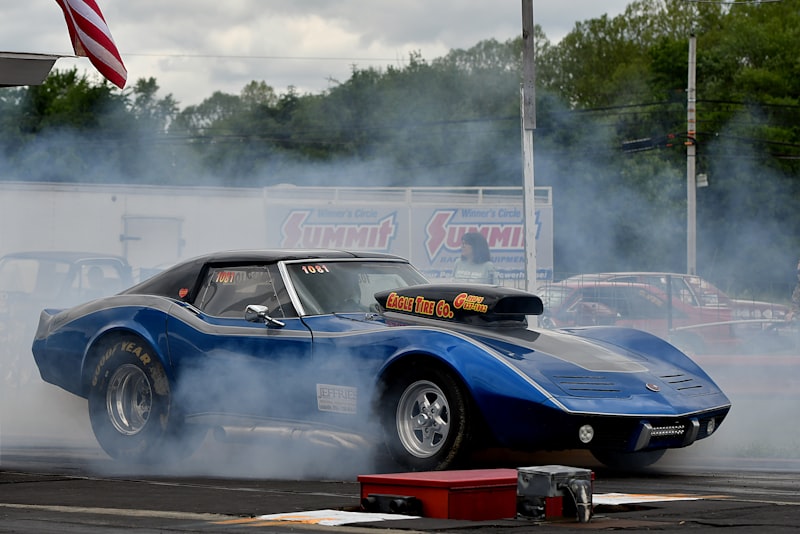
Safety equipment is your first defense on any track. However, missing or misusing safety gear is a top reason drivers get cited or disqualified. Race officials are strict on this, as statistics show that safety lapses can lead to severe injuries.
First, one common oversight is not wearing an approved helmet. As of 2026, the NHRA and most sanctioned tracks require helmets rated Snell SA2020 or newer. Some racers still arrive with older, non-compliant gear. Officials check this before any race, but some fail to update after the ruling changes. For example, in 2025, several local tracks reported more than 30% of failed tech inspections were due to outdated helmets.
Second, seat belt violations are also prevalent. Drag racing belts must be within their certification period, usually two years from the date of manufacture. Expired belts can disqualify an otherwise ready car. In addition, racers may incorrectly install or adjust harnesses, which can be just as dangerous as having no belt at all.
Fire suits represent another area of frequent non-compliance. Drivers sometimes overlook the need for a full fire suit at certain ET classes, especially when running faster than 10 seconds in the quarter mile. In fact, data from the National Hot Rod Association shows over 15% of first-time racers missing at least one part of the required fire gear in tech inspections.
Roll cages are crucial for high-powered setups. Some racers attempt to run beyond the class safety limits without proper cage certification. As a result, they face immediate ejection or even a ban from further runs until fixes are made.
Therefore, always inspect your safety equipment before heading to the track. Use checklists and follow your track’s tech sheets closely. Check authoritative sources like the NHRA rulebook for the latest standards.
Examples of Costly Safety Violations
For example, in 2026, a regional event in California saw five drivers disqualified for missing SFI tags on their harnesses. In another race, a driver was barred from competition after entering the staging lanes wearing a motorcycle helmet instead of an approved automotive model.
Because of this, racers must pay close attention. Tracks continue to upgrade their requirements every few years. Staying current protects both your eligibility and your safety.
Staging, Starting Line, and Timing System Rule Mistakes
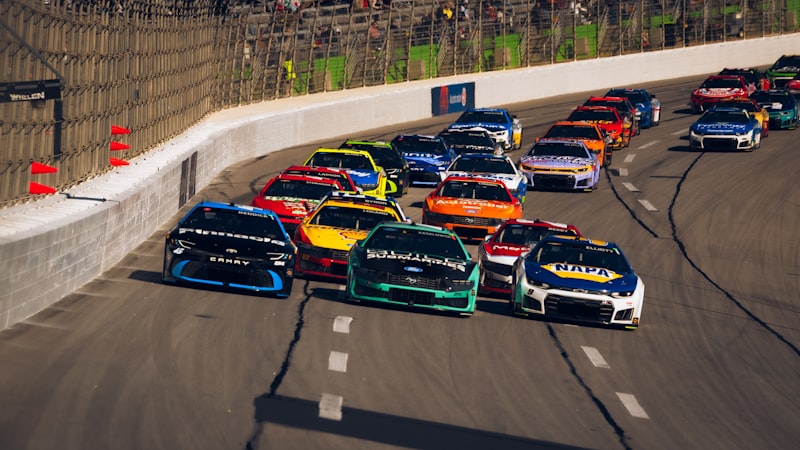
Rule violations at the staging area and starting line happen often, especially for new racers. These mistakes can not only cost you a win but can also result in penalties or race suspension.
First, jumping the start is one of the most common issues. This means leaving the line before the green light fully activates. Known as “red-lighting,” this action leads to an automatic loss for that round. In fact, over 10% of amateur races in 2025 reported at least one red-light violation per competition bracket.
Second, deep staging errors are frequent in heads-up and bracket classes. Deep staging involves crossing the second stage beam before the tree activates, which can confuse the timing system. While allowed on some tracks, doing this without signaling the officials—or in classes where it is forbidden—can lead to a disqualification or a warning.
Another common mistake is failing to stage promptly. If a driver takes too long to light both staging bulbs, officials may disqualify that participant for delaying the race. Many tracks set strict time limits, usually 10-15 seconds, from the time the first car lights the pre-stage bulb.
There are also violations related to the courtesy staging rule. This means both cars should pre-stage before either one fully stages. Jumping ahead can be seen as unsportsmanlike and is often penalized.
On top of this, running with issues in your car that could interfere with the timing systems—like loose bumpers or hanging parts—can cause automatic removal from the staging lanes until fixed. It is essential to check your car according to the rulebook.
In summary, these procedural rules keep races quick, safe, and fair. Always pay attention to the tree, listen to officials, and know your class’s specifics. In addition, practice staging with a friend or at a test-and-tune to get comfortable before race day.
Understanding and Avoiding Flag and Light Signal Misuse
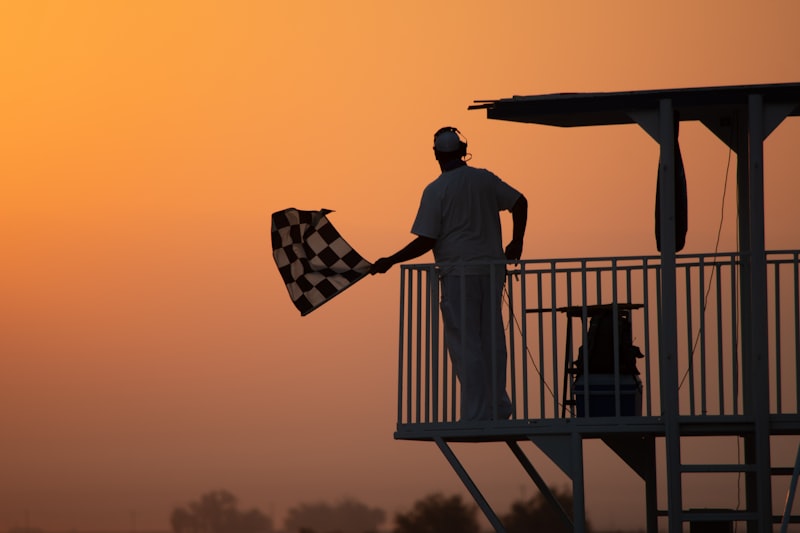
Flags and lights are more than signals—they are essential for drag racing safety and race flow. Misinterpreting or ignoring flag and light signals is a major source of violations. Therefore, all racers must know what each color and flag means.
In drag racing, the most critical lights are on the Christmas Tree. Green means go, but only after the last yellow extinguishes. Jumping on a yellow is a red-light foul, as previously discussed. On the other hand, a red light indicates a false start, and racers must stop immediately if issued by track staff.
Track marshals also use flags for emergencies. A red flag means stop the car right away and pull to a safe area. Yellow means caution—usually due to debris or a stopped vehicle. Ignoring these signals can result in much more than disqualification. In 2026, several incidents at Midwest drag strips led to race bans of up to one year for racers who ignored flag calls.
In some amateur events, flagmen control the starts instead of a timing system. Therefore, learning hand flags and traditional drag start signals is key. Misreading a flag start can cause you to jump the line, interfere with the other car, or miss your legal race window.
Practice helps reduce these errors. Attend driver meetings, where officials explain track-specific light and flag protocols. Many tracks post diagrams in the pit area or staging lane for reference.
In addition, communication with crew and staging officials is essential. For example, if you do not see a signal or are confused, wave to officials rather than guess and threaten safety.
To sum up, frequent flag and light violations can easily be avoided by staying aware and seeking clarification if unsure. Track education programs in 2026 continue to stress these elements for new and returning racers.
Track and Pit Area Conduct: Rule Breaches That Hurt Safety
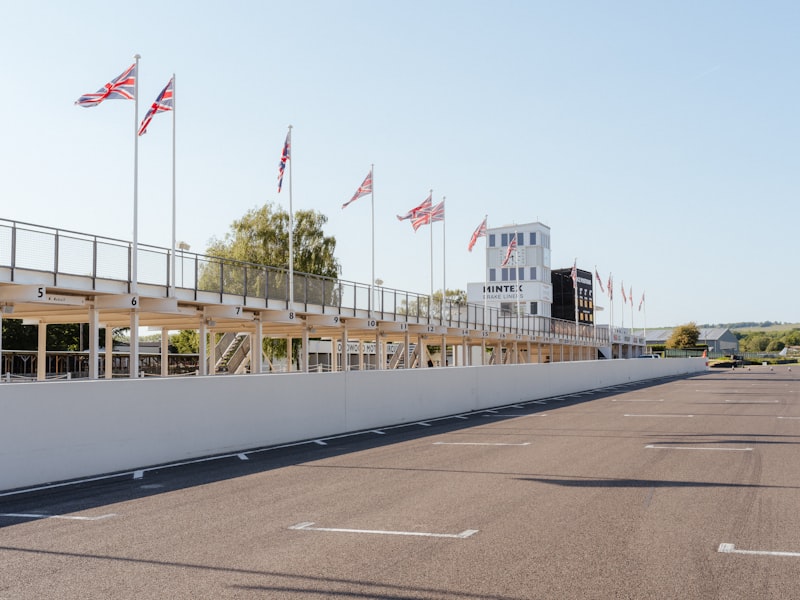
While most racers focus on driving, off-track conduct can cause just as many rule violations. In fact, many tracks see more ejections from pit area mistakes than from on-track errors. Understanding the rules beyond the track surface is vital for safety and for keeping your team eligible.
First, speeding in the pit area is a classic problem. Most tracks limit speed to 5-10 mph in all non-race zones. However, excited racers or teams sometimes ignore these limits. As a result, they risk collisions, injuries, and immediate disqualification. Case reports from 2026 highlight that pit accidents, rather than on-track crashes, accounted for 25% of injured persons at regional drag events.
Second, fuel and chemical handling has strict rules. Open containers, refueling outside of approved areas, or improper storage of nitrous or race fuels can net a permanent ban. In addition, mishandling fire extinguishers or blocking fire lanes are all considered severe breaches.
Noise and behavior rules are also enforced. Using excessively loud engines outside of designated times or engaging in aggressive arguments can lead to team suspension. Some tracks also ban open alcohol in pits to prevent incidents.
Another important point is respecting restricted access. Only credentialed crew members belong in the staging lanes, tech areas, or starters’ box. Fans or unauthorized helpers inside these zones can cost the entire team a race entry—or lead to an event expulsion.
Because of this, most tracks distribute written conduct sheets. It is a good idea to have your team read and sign them before entering. Some tracks, such as those under NHRA sanction, even offer brief quizzes at sign-in for new racers and crew.
Respecting the track, staff, and other competitors is as crucial as driving skill. Therefore, reinforce good habits off the line as much as on the throttle.
Penalties, Appeals, and Staying Compliant with Modern Drag Racing Rules
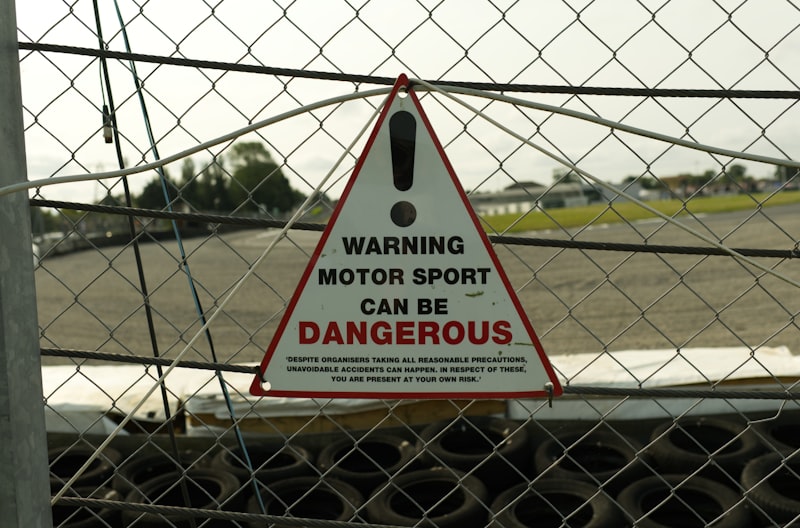
Understanding how tracks penalize violations—and how to avoid repeat mistakes—is essential in modern drag racing. Tracks use a range of penalties, from warnings and round losses to full suspension from events.
Fines are rare in amateur racing but may apply in bigger, money races. More often, the penalty is immediate race disqualification, a points deduction, or even a permanent ban for repeated or major offenses.
On the other hand, some minor mistakes might only result in a warning—especially for first-timers. For example, at many local events, a racer missing a tech sticker because of a simple oversight might be allowed to fix it and re-enter the staging lanes.
Tracks may have an appeal process for certain violations. Usually, you can bring your case to the race director if you think an official made a mistake. However, these appeals are rarely successful unless there is clear evidence.
The best way to avoid trouble is to know the rules for your class and venue before race day. Many sanctioning bodies post updates online. Bookmark sources like the NHRA Competition Rules and check for changes before racing.
Additionally, consider joining a test-and-tune session before major races. These non-competitive events allow you to practice procedures, staging, and pre-race tech without pressure. In fact, racers who take part in at least one test-and-tune each year report 30% fewer infractions, according to informal surveys from several Midwest tracks in 2026.
Finally, seek out racer education sessions. Many major races now include 15-minute driver briefings for both new and returning drivers. These are strongly recommended, as policies and technology change nearly every year.
Conclusion
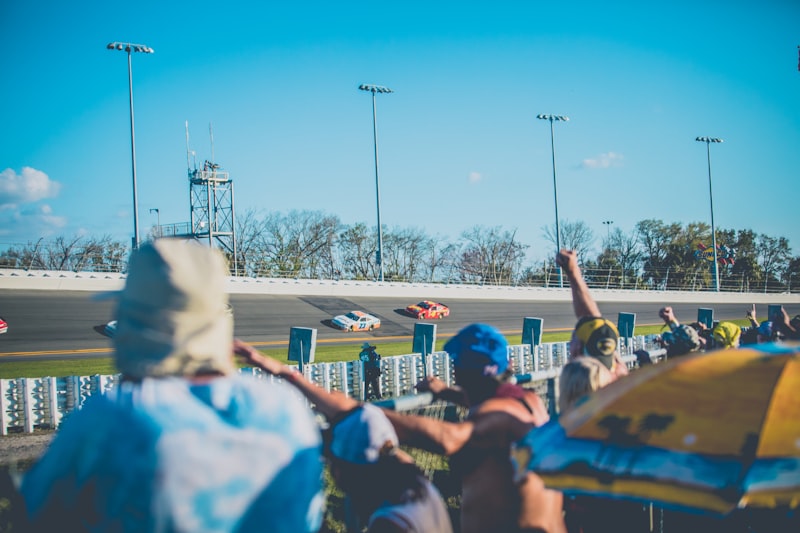
In summary, staying clear of common violations of drag racing rules will keep you safe and competitive in 2026. Pay close attention to safety equipment guidelines, staging procedures, flag and light signals, and conduct rules in pit areas.
Being informed and prepared is the best strategy for success on and off the track. Race safely, respect others, and always check for updated rules before you compete. For more track rules and safety guidance, keep checking ecredexa.com for the latest information.
If you’re new to drag racing or helping organize races, reviewing the official rulebooks and attending safety briefings can make a big difference. Start your racing journey by making compliance and safety your top priority.
Leave a Reply