

If you have searched for “drag racing class types explained for beginners,” you are likely getting ready for your first race, event, or test night. Drag racing involves many classes, and knowing the basics can make your first experience much easier.
Drag racing divides cars into “classes.” Each class has its own set of rules. These rules help keep races fair and safe. On your first visit to a track, understanding the main class types will help you enjoy the action and even join in.
In this post, you will get a step-by-step guide. You will learn about the most popular classes, what to expect, and beginner advice. This is perfect for those new to racing or visiting the track for the first time.
Understanding Drag Racing Class Types Explained for Beginners
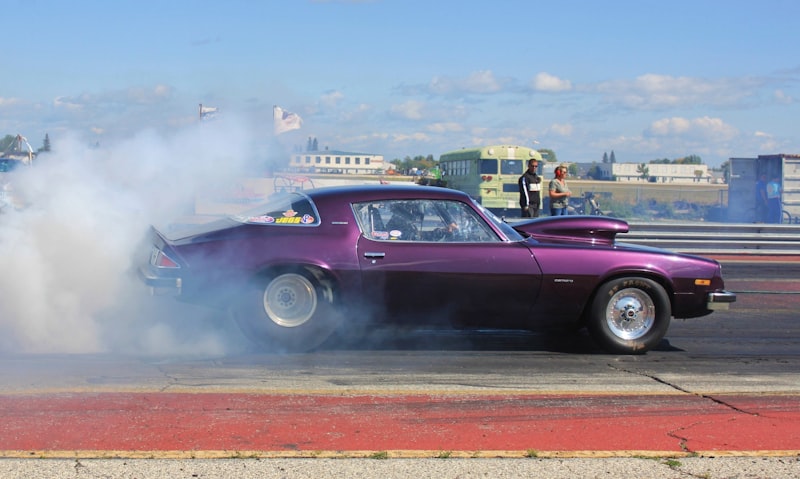
Every beginner should know the main drag racing classes before going to the track. The structure might look confusing at first. However, most tracks use standard rules from groups like the NHRA (National Hot Rod Association) or IHRA (International Hot Rod Association). These rules keep racing safe, fair, and fun.
The biggest difference between drag classes is the type of vehicles and modifications allowed. For example, “Stock” classes limit how much you can change your car. In these, your car must stay close to how it left the factory. On the other hand, “Super” or “Pro” classes allow major engine or body changes.
Some other important factors include tire type, fuel type, and safety gear. For example, street cars racing on regular tires might join a “Street” or “Bracket” class. Cars on slick tires and strong engines race in “Super Stock” or “Pro” classes.
Most beginner-friendly events offer “street legal” or “test-and-tune” nights. At these, almost any car that passes a safety check can race. Tracks use simple classes so new racers do not feel overwhelmed. In fact, many drag strips have dedicated beginner lanes.
Because of this, knowing the basics helps you pick the right category, avoid mistakes, and stay safe. By learning the main classes, you can plan upgrades or set realistic goals for your first night.
What Are “ET Bracket” and “Heads-Up” Races?
Two terms you need to know are “bracket” and “heads-up.” In ET Bracket racing, you guess your own “dial-in” time, and the first car to match or beat their time wins. This allows slower cars to compete with faster cars. In “heads-up” racing, both cars leave at the same time, and the first to finish wins.
Test-and-tune nights let beginners try both styles. Because of this, they are a great way to learn without pressure. You can experiment, make mistakes, and see which type you prefer.
Common Drag Racing Classes for New Racers
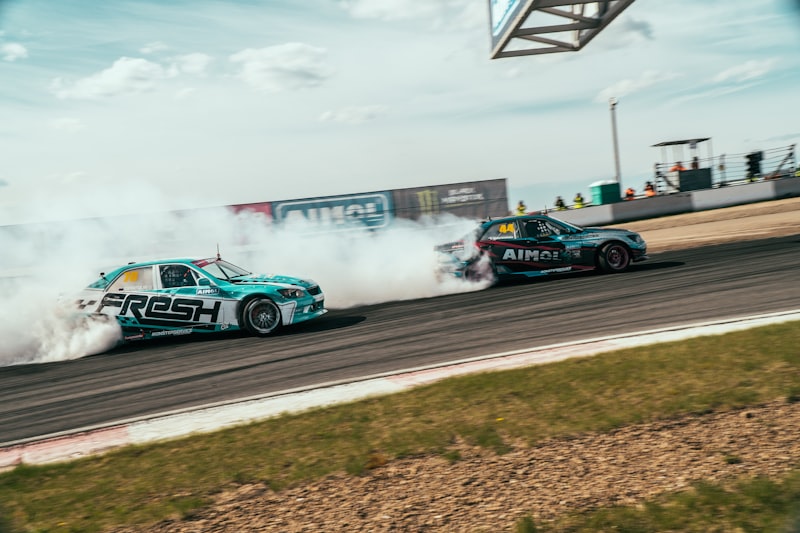
If you are new, you might wonder which class is right for your car. Most tracks have a few main classes beginners can join. I will now explain the most common options.
Street Legal and Test-and-Tune Classes
Many events offer “run what you brung” sessions. In these, any car with working seat belts, good brakes, and no leaks can run. You might see daily drivers, pickups, or even minivans on the strip. These nights focus on safety, not competition.
All you usually need is a valid driver’s license and a car that passes tech inspection. These simple requirements make the experience fun and stress-free. You get to race against friends, measure your time, and learn track basics.
For example, at the Summit Motorsports Park in Ohio, more than 500 racers attend weekly test-and-tune events. In 2026, most large tracks offer similar programs to attract new racers.
ET Bracket Racing
ET stands for “elapsed time.” In this style, you predict your car’s quarter-mile time before racing. The system then gives a staggered start so each racer can win by beating their own goal, not just by being the fastest.
Bracket racing is entry-level friendly. It welcomes slower or stock cars since reaction time and consistency matter more than power. For beginners, this is a great introduction to real competition. At many tracks, the Sportsman or Street Bracket classes welcome first-timers.
As a real-world example, the NHRA’s Division 7 Summit ET Series brings together hundreds of entry-level racers. In 2026, this format remains the backbone of local drag scenes.
Junior Dragster Classes
If you are bringing children to the track, you may see “Junior Dragster” cars. These small, single-seat racers let kids (usually ages 5-17) try drag racing in a safe way. Junior classes use specially built cars with limited speed.
In 2026, most tracks adopt rules from the NHRA Junior Dragster program. Races focus on skill and safety. Kids can compete bracket-style, just like adults.
Advanced Classes You Will See at the Track
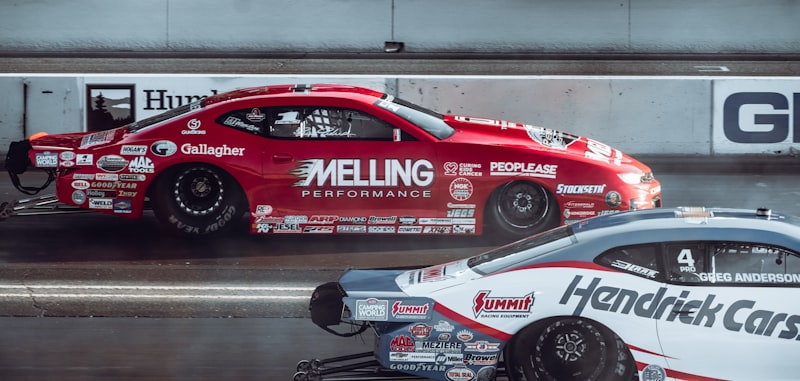
Even if you are not ready to race in these yet, knowing about higher-level classes makes your visit more exciting. These classes have tight rules and higher speeds. While not for beginners, seeing these races will inspire you.
Super Stock and Stock Eliminator
Super Stock and Stock Eliminator are the “factory” classes. Here, cars resemble classic muscle or modern street cars. However, they have small changes to boost power and safety. Stock cars are closer to their factory build. Super Stock permits more upgrades in the engine, transmission, and suspension.
Both classes use strict rulebooks. Each car must meet limits on modifications depending on year, make, and model. NHRA tracks across America run regional and national events with hundreds of cars entered.
As a beginner, it is helpful to watch these races. You can learn how cars launch, shift, and achieve consistent times. Drivers in these classes often come from years of street or bracket experience.
Pro Classes: Top Fuel, Funny Car, and Pro Stock
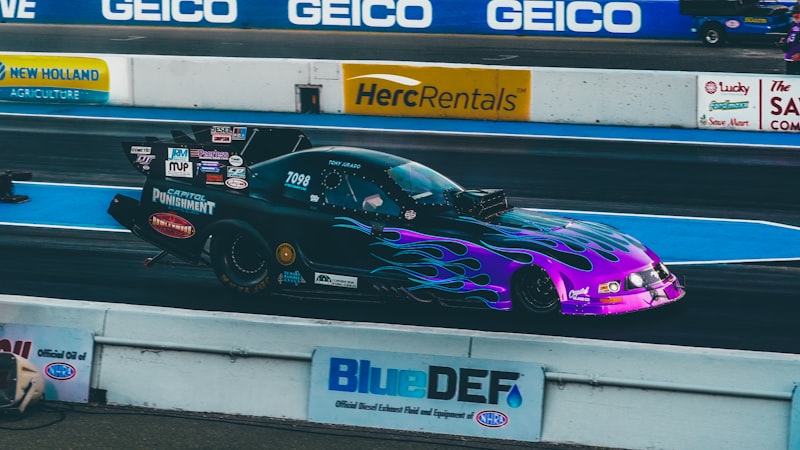
At major races, you will see the headline classes: Top Fuel Dragster, Funny Car, and Pro Stock. These cars move at speeds above 330 mph and finish a quarter-mile in under four seconds.
Top Fuel Dragsters are the fastest. They use nitromethane fuel and engines making over 11,000 horsepower. Funny Cars have a similar engine but use a carbon fiber body. Pro Stock cars look more like street cars but run highly tuned V8 engines.
For novices, these classes show the extreme side of drag racing. Watching a Top Fuel Dragster launch is an experience. The sound and speed are intense, and many first-timers never forget it.
Index and Heads-Up Racing
Many tracks offer “index” races. Here, cars must run slower than a set time (for example, a 10.50-second quarter mile). If you go faster than the index, you lose. Heads-up index classes are great for beginners who want a taste of real competition.
The “No Prep” and “Grudge” scenes use heads-up rules. In fact, “No Prep” events run on tracks without special traction treatments, so tire choice and driving skill matter more than pure power.
At all these events, safety is key. You might need roll bars, fire jackets, or helmets once your car runs under certain times. Most tracks list these requirements on their website or event page.
Entering Your First Event: What New Racers Need to Know
If you want to join your first event, you need to prepare your car and know what to expect. This section will guide you through the steps, keeping things simple and direct.
How to Sign Up and Pass Tech Inspection
First, find an event with beginner-friendly or “test-and-tune” classes. Check your local track’s schedule online. Most offer weekly open nights built for learning.
Arrive early and ask staff or other racers for help if needed. All cars must pass a basic “tech” inspection to make sure they are safe. This means checking for: secure seat belts, working brakes, no leaks, and safe tires.
You need a valid driver’s license, closed-toe shoes, and long pants. In addition, you may need a helmet if your car runs faster than a set time (usually around 13.99 seconds).
Tech inspectors will go over your car. They are not there to fail you, but to help everyone stay safe. Be honest about your car’s speed and ask questions if you are unsure.
What Happens on Race Night?
After passing tech, you drive up to staging lanes. Race officials tell you when it’s your turn to enter the burnout box and staging beams. Watch other racers if you are unsure. Most tracks let beginners practice launches before real races start.
You will get a time slip after your run. This slip shows your elapsed time, MPH, reaction time, and other key details. Save your slips to track your progress.
If you are in a bracket or index class, pay attention to the schedule. You will likely run several rounds. Staff and other racers are usually happy to explain rules and traditions.
Tips for a Smooth First Experience
Because there is a learning curve, talk to staff and experienced racers. In fact, many local car clubs offer first-timer advice or pit crews to help.
Line up your car straight. Watch for the green light. Do not worry about winning your first race. Use the night to improve reaction time and comfort level. Take notes after each run, including tire pressure and weather.
Finally, remember to have fun. Every expert started as a beginner. The drag strip community is welcoming and excited to see new faces join the sport.
Conclusion
Understanding drag racing class types explained for beginners is key when starting out. You will see a range of classes at your local track, from daily street cars to pro teams. Learning the basics lets you enjoy racing and compete safely.
For your first events, start with street legal or test-and-tune sessions. Take time to meet other racers and ask questions. Check your track’s website or the NHRA educational resources for more details.
In summary, with some basic prep and the right attitude, anyone can have fun at the drag strip. Whether you want to race for fun or advance to higher classes, knowing the main types gives you confidence. Ready to try your first event? Check your nearest track, get your car ready, and start your journey into drag racing today!
Leave a Reply