

This overview of regional Brazilian track competitions explores how the drag racing scene thrives across different regions and local events in 2026. These Brazilian tracks, or “autódromos,” serve as unique communities where a mix of talent, tradition, and excitement comes together.
Drag racing has become more popular each year in Brazil. Therefore, local events now draw large crowds and media attention in many states. In addition, each region has a special character, shaped by its people and racing culture. This makes every event different and worth knowing about.
By looking at key tracks and events, you will see how these competitions foster community, competition, and automotive passion. Whether you want to learn as a fan, racer, or industry watcher, this guide gives insights that make sense for anyone interested in the Brazilian drag strip scene.
An Overview of Regional Brazilian Track Competitions and Their Unique Cultures

For anyone wanting an overview of regional Brazilian track competitions, it is important to know that racing culture changes with each region of Brazil. In fact, the history, style, and level of excitement differ greatly from north to south. For example, the auto clubs in São Paulo are often more structured than those in the north. In addition, crowd sizes and sponsorships vary a lot.
The southeast region, led by São Paulo, Rio de Janeiro, and Minas Gerais, stands at the heart of Brazilian drag racing. São Paulo’s Interlagos circuit is probably the most famous. However, cities like Curitiba in Paraná and Brasília in the central-west region have also created strong local scenes. The Interlagos circuit has seen many regional events and national finals. Because of its central location and long straight line, it is a favorite for both experienced racers and beginners.
On the other hand, the northeast is known for its smaller but passionate communities. Tracks in cities like Recife and Fortaleza have grown in popularity since 2022. These communities started as small weekend meetups but now draw hundreds of racers for monthly events.
In the south, the Bento Gonçalves drag strip is a famous venue. The cold weather and unique terrain present special challenges. However, these conditions add excitement and push racers to adapt their technique. Many of Brazil’s top dragsters train on these strips to prepare for national competitions.
Community plays a crucial role in these regions. For example, volunteer-based racing leagues thrive in smaller cities. These groups keep costs low and focus on mentoring new drivers. In addition, many racing families have been involved for several generations. Racing thus serves not only as a sport but as a way to strengthen community ties.
Data from the Brazilian Automobile Confederation shows that, in 2025, local track events attracted over 1.2 million attendees nationwide. Most events provide more than just racing. In fact, attendees enjoy food fairs, car expos, and community charity drives as part of the festivities. As a result, regional competitions remain core to Brazil’s wider car culture.
How local traditions shape event formats
Each area of Brazil adapts its racing events to fit local traditions. For example, in the northeast, “arrancadas” (drag races) mix with music festivals. Because of this, families attend as a complete day out. In the south, tight racing schedules mean more focus on driver skills and short sprints.
Prize structure and sponsorship also depend on location. Bigger events in the southeast often have cash prizes and sponsor showcases. However, northeastern and northern events may award custom trophies or even donations to local causes. In conclusion, this variety gives Brazil’s regional tracks their unique personalities.
Major Brazilian Drag Strips and Their Regional Impact
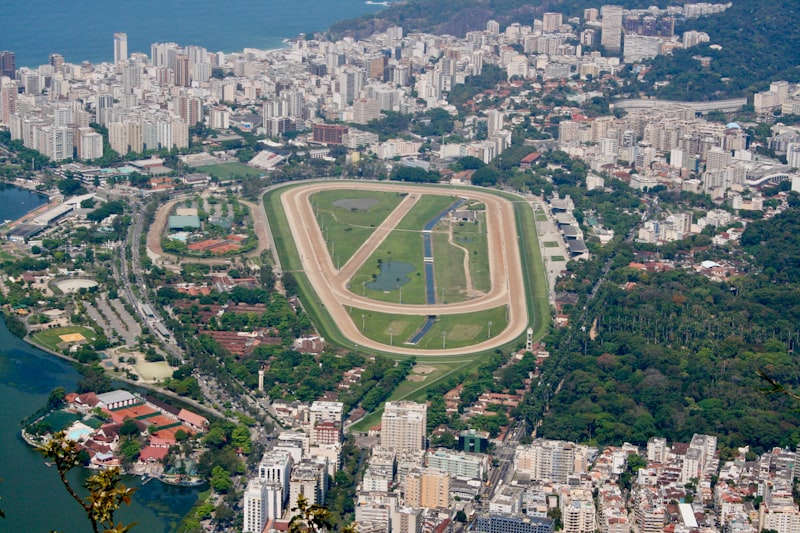
If you look closely at the top Brazilian tracks, you can see how each dominates its own region. These tracks provide not just a venue for drag racing, but a cultural landmark for thousands of local fans.
For instance, the Autódromo de Interlagos in São Paulo has led the pack for years. Its drag strip section hosts both amateur days and state-level finals. Because the circuit already draws Formula 1 fans, the drag strip benefits from outstanding infrastructure and huge crowds. In 2025, the Interlagos drag facility hosted more than 50 drag racing events, according to local race calendars.
Curitiba’s Autódromo Internacional de Curitiba claims the title of “fastest track” for many in the region. The track sits in Paraná, a state known for colder weather and higher performance vehicles. This track’s popularity is due in part to its wide straights and access to major highways. Major regional drag competitions, such as the Copa Paraná de Arrancada, bring in both local racers and talent from other states.
The Brasília International Circuit has also carved a special spot for itself. In fact, the flat geography allows for steady acceleration and high-speed sprints. Since 2023, Brasília’s drag lanes have supported a growing roster of regional and national contests. Events here also provide media exposure for up-and-coming talents who often move on to bigger platforms.
In the northeast, the Fortaleza Dragway has grown rapidly. The community in Ceará State added new grandstands and pit facilities in 2025, making events safer and more family-friendly. Weekend competitions can attract up to 5,000 fans. For example, the Fortaleza Open, a top local event, draws racers from as far as Pernambuco and Bahia.
In the south, the Santa Cruz do Sul Raceway is another hotspot. Racers from across Rio Grande do Sul travel for its well-kept asphalt and regular event calendar. Because local automakers often sponsor these contests, you see a mix of street cars and high-end builds on the starting lines.
These main tracks connect smaller circuits to the national scene. In fact, the success of regional events at these tracks has led to policy changes, such as better safety barriers and digital timekeeping.
Event types and audience engagement
Track events usually fall into a few main categories. Entry-level “Arrancada” sprints allow less-experienced drivers to race their street cars. “Pro Drag” events, on the other hand, bring together the fastest cars from around the region.
Many tracks add drift exhibitions, food trucks, and kids’ races to pull in bigger crowds. Therefore, these events are more than races—they are local festivals.
How Regional Events Drive Community and Local Economies

Regional Brazilian track competitions are about more than speed. In fact, they drive real social and economic change at the community level. These events create jobs, spark tourism, and offer local businesses new chances to grow.
For example, during the biggest races at Interlagos or Curitiba, nearby hotels are often fully booked. Restaurants and car shops also see a surge in customers. The regional government in São Paulo noted in its 2025 economic report that racing weekends added over R$30 million to local economies.
Event organizers rely on a wide network of volunteers, suppliers, and sponsors. For family-owned businesses, regional tracks offer a steady source of income. Many car parts makers, tire stores, and tool sellers showcase their products at event expos.
Community engagement is high as well. Many events feature charity laps, where fans pay to ride with drivers, with money raised for local schools or hospitals. In some regions—like the interior of Minas Gerais—races help fund youth sports programs. This approach has led sponsors to invest more in the sport over the last few years.
Media coverage of these events is also growing. In 2026, streaming platforms show more than 70% of major regional races live. Platforms like YouTube and regional sports networks have seen audience numbers rise by 40% since 2024, showing that interest is branching out beyond just racers and longtime fans.
Another important effect involves technology and innovation. Regional events give young mechanics and engineers a place to test and show their work. In the south of Brazil, for example, several university teams use local drag strips to develop biofuel race cars.
Youth programs and education
One standout feature of Brazilian track culture is the focus on youth training. Several drag strips run driving workshops for teenagers, often in partnership with schools or NGOs. These programs teach not only car control, but also responsibility and teamwork.
For example, the “Futuros Campeões” (Future Champions) program in Paraná lets young drivers practice on safe, closed tracks. As a result, attendance at youth racing events has risen by 25% since 2023. This helps create a pipeline of new drag racing talent all across Brazil.
Safety Measures, Rules, and Evolving Standards in Regional Drag Racing
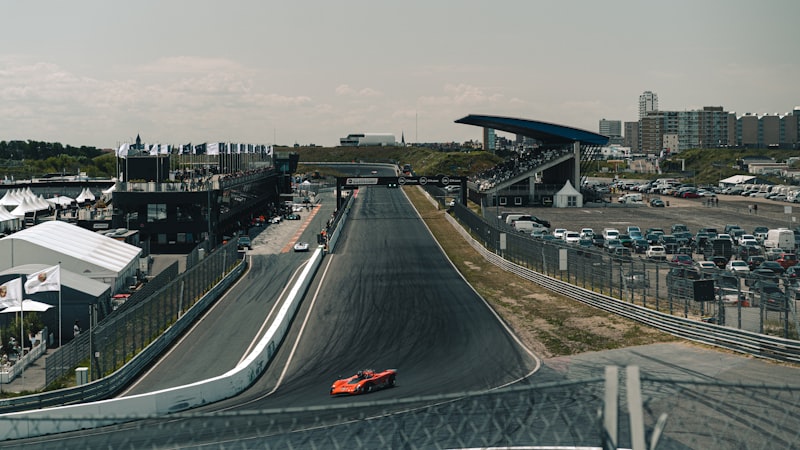
Safety is a top concern at every regional Brazilian drag event. Over the years, organizers have increased standards to protect both racers and fans. The Brazilian Automobile Confederation (CBA) sets rules for helmet use, car inspections, and protective barriers. Because of stricter rules, accident rates have dropped by almost 30% since 2021.
In addition, events now use digital timekeeping and video monitoring. Therefore, it is easier to spot rule violations and settle race disputes. Larger tracks like Interlagos have firefighting teams on standby and medical tents in place for each event.
Racers must register before events, pass vehicle checks, and attend short safety briefings. New drivers often get extra guidance. Some regional circuits, especially in the north and northeast, introduce mandatory rookie sessions before a driver can enter an open event.
Spectator safety is also a focus. Tracks have added reinforced fences and safety zones. Fans must stay in marked areas, especially near the finish line. At family-friendly events, child zones and shaded pavilions help keep younger fans safe.
During 2025 and 2026, several new rules increased fairness and inclusion. For example, women’s drag racing leagues in Rio Grande do Sul and São Paulo have drawn larger crowds every month. These leagues help break down old stereotypes and encourage a more diverse crowd at the tracks.
Environmental steps and sustainability
Regional tracks have started tackling environmental concerns as well. For example, many events recycle tires, manage oil disposal, and plant trees after large events. In Paraná, some organizers use “eco race” formats, testing electric and biofuel vehicles.
As a result, Brazilian track racing is slowly becoming greener while keeping its core excitement. This shift not only helps local environments but also attracts younger, environmentally-conscious fans.
Conclusion
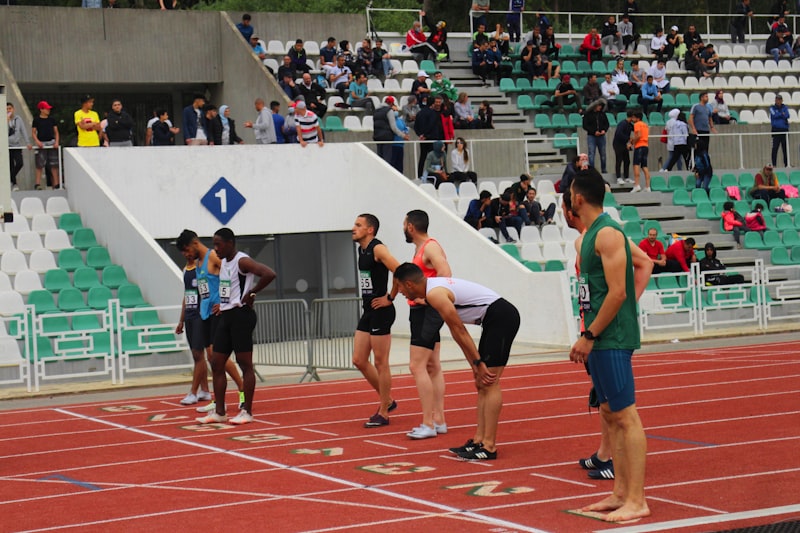
To sum up, the overview of regional Brazilian track competitions shows a thriving and ever-growing scene in 2026. Each region brings unique styles and traditions to the strip. Main tracks like Interlagos, Curitiba, and Fortaleza keep attracting racers, fans, and sponsors. Also, the popularity of these events fuels local economies and builds stronger communities.
Safety, youth programs, and innovation play a bigger role every year. Therefore, regional Brazilian drag racing is more than an event—it’s a cultural movement. Anyone interested in tracks, local scenes, or automotive communities will find something inspiring in Brazil’s drag strip landscape.
For further details on official rules and a full event calendar, check the Brazilian Automobile Confederation or visit local track websites.
Leave a Reply