

If you want a beginner guide to drag racing rules, you are in the right place. Drag racing combines speed, skill, and strict rules. Knowing the basics will help you stay safe and enjoy the sport. Saiba mais sobre How to Follow Drag.
Many new racers feel nervous at their first event. However, learning the rules and safety steps can boost your confidence. This article will give you a solid foundation for your first pass down the track.
You will learn about the core rules, staging procedures, essential flags and lights, and must-have safety equipment. The focus stays on safety because that is the heart of every drag strip.
Understanding Essential Drag Racing Rules for Beginners
Every beginner guide to drag racing rules should make the actual rules clear. First, racing always happens on a straight, marked strip. Standard lengths are 1/4 mile (1,320 feet) or 1/8 mile (660 feet). Most events use the quarter-mile for heads-up competition.
Races are organized in brackets by time and car class. Both cars start at the same time unless it’s a bracket race, then the “slower” car gets a head start. Races start when the lights on the “tree” go green. This is called the “Christmas Tree” and is the biggest feature at the start line.
In addition, you must stay within your lane from start to finish. Crossing the center line is an automatic disqualification. Therefore, keeping control of your car is just as important as going fast.
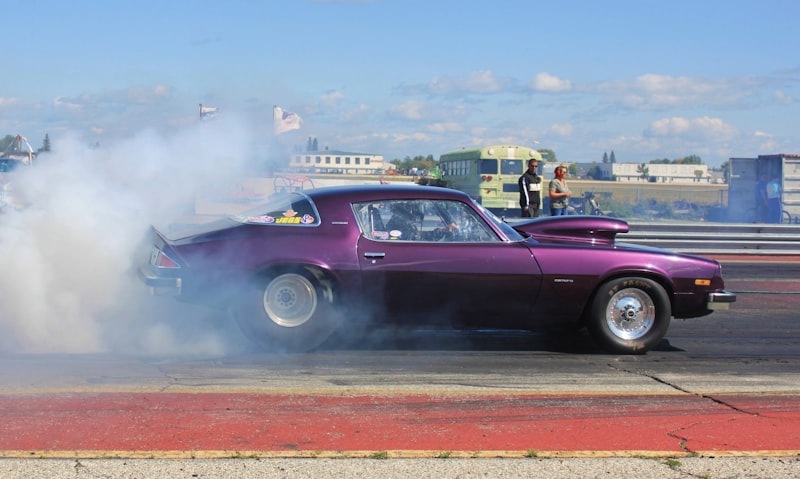
The burnout box is another key part. Before you race, you may do a burnout in this designated area. This heats your tires for better grip. Never do a burnout outside the burnout box. Officials are strict about this because safety comes first.
No racer can drive back up the strip toward the starting line unless told by officials. For example, after your race, drive down the return road—not the track itself. Marshals enforce this rule at every event.
Pit and staging area speed limits are also important. Most tracks set these between 5 to 15 mph. Exceeding them can get you removed from the event. Remember, safety in the pits matters as much as on the track.
Helmet and seatbelt use is mandatory. While other safety gear depends on class and speed, these items are for everyone. Officials check before you line up. Following these rules keeps all racers safe and helps events run smoothly. Saiba mais sobre 9 Safety Rules Every.
Example: First-Time Mistakes
Many beginners forget to stage correctly. Others cross the center line in excitement. Knowing these rules helps you avoid common penalties and focus on improving your times.
Staging Procedures and the “Christmas Tree” Explained
For new racers, understanding staging is as vital as car control. The staging procedure is where races are won or lost. Each car lines up at the start, rolling forward first to trigger a “Pre-Stage” beam. When you see the top small white light on your side of the tree, you have pre-staged.
Roll forward a few more inches. A second beam triggers the “Staged” light, just below the Pre-Stage on the tree. Both racers must trigger their staged lights before the countdown starts. If you move too far, you “red light” and lose the race because you left too early.
The “Christmas Tree” is a vertical row of lights, with two small “pre-stage” and “staged” indicators at the top for each lane. Below, three yellow lights count down in quick order, followed by a single green (GO) and red (foul start).
For bracket racing, a “sportsman” tree lights all yellows in half-second intervals. In heads-up racing, a “pro” tree shows all three yellows at once, then green a short moment later. Knowing the tree type helps time your launch. Good reaction times can win a race, even against faster cars.
In fact, the difference between an average and excellent start is often less than a tenth of a second. Practice at the line helps new racers get better. Many tracks offer Test and Tune nights to work on staging and reaction time.
Besides, officials watch for “deep staging,” when a racer rolls too far into the beam. This tactic can be risky, as it makes red-lighting easier. Novices should avoid deep staging until they have plenty of runs under their belt.
Finally, after you cross the finish, slow down and follow track signals to the exit road. Do not stop on the strip unless directed by safety staff.
How to Practice Staging as a Beginner
Use a simple box at home and practice rolling forward until a marker, then stopping. This simulates the precision needed to trigger the Stage beam without going too far. Consistent practice builds confidence at live events.
Track Flags, Lights, and Communication Signals
Clear signals are critical for safety at the racetrack. While the “Christmas Tree” is the main focus at the starting line, several other signals guide racers through each stage of the event.
Track officials use hand flags for key notifications. For example, a green flag often signals the course is clear. A red flag means stop racing at once due to an accident or hazard. Yellow flags warn racers to proceed with caution. Pay close attention. Ignoring a flag can lead to immediate removal from the event.
In addition, some tracks have digital lights posted along the strip. Yellow flashing lights may warn of an issue or slow vehicle ahead. Watch both the track lights and listen for announcements.
Pro tracks also use radio systems for race officials. However, most beginner nights rely on clear visual flags and loudspeakers. Listen for calls to the staging lane. Missing your call may mean waiting another round.
It is important to note that after a run, marshals use flags or colored cones to show which turnout to use. Do not re-enter the staging area from the track itself. Always enter from the assigned entrance points.
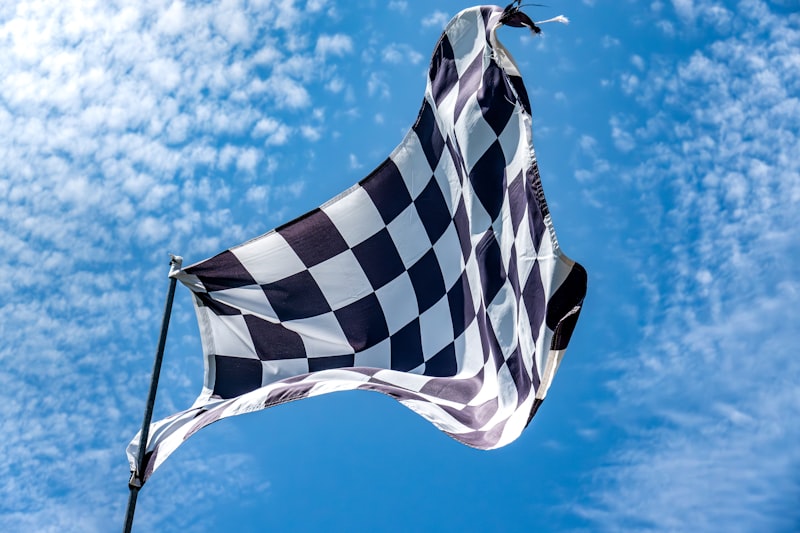
For example, many events use a checkered flag at the end to indicate final passes in a class. Others use a blue flag to signal the finish and direct racers off the active surface.
If you are unsure about a signal, slow down and follow the direction of the nearest marshal. Staff are there to help, and nobody will blame a new racer for going slow and being safe.
For more on drag racing safety rules, you can visit the National Hot Rod Association safety page.
Mandatory Safety Equipment and Track Safety Tips
Safety is at the heart of every drag race and is a key focus for this beginner guide. Drag racing requires specific safety equipment to protect racers and keep events incident-free. Saiba mais sobre Safety Rules in Swimming:.
First, all racers must wear a rated helmet. This helmet must meet Snell or SFI spec ratings, which are checked at tech inspection. If your car runs faster than certain times (like 13.99 seconds or better in the quarter-mile), the rules require other gear.
For example, drivers in cars faster than 11.49 seconds must have a roll bar or roll cage. These bars give extra protection in a crash. In fact, studies show that most drag racing accidents are survivable with proper safety gear.
Seat belts must always be used. Factory belts may be OK for slower cars. However, faster brackets often need racing harnesses. These harnesses are checked before every run.
Next, a fire jacket is a must for drivers with high-performance setups. Some tracks require fire-rated suits for cars with nitrous or forced induction. Hands and arms should be covered; gloves are required in most classes above entry level.
Footwear also matters. Open-toed shoes are not allowed. Many tracks check for closed, sturdy shoes during tech inspection.
Your car needs to be in good shape. Tires must not show metal or fraying. Oil or coolant leaks are automatic reasons to be denied a pass.
In addition, battery tie-downs, proper radiator overflow catch cans, and secure seats/floors are all checked. Officials will not let unsafe cars race, no matter what.
Fire extinguishers are not required for beginner classes but are still wise to have nearby. Finally, if you have a convertible, you will need a roll bar, even at slower speeds.
For more details on tech rules, check the full NHRA General Regulations on vehicle and driver safety.
Tips for First-Time Drag Racers to Stay Safe and Have Fun
If you are new, there are steps you can take to make the experience better. Preparation is key. Arrive early, as first-timers must pass a technical inspection before racing. Bring all needed documents, like your driver’s license and proof of car registration. Some tracks also require a signed liability waiver.
Listen to the drivers’ meeting. This is not optional. Officials cover the day’s rules, special dangers, and answer questions. Take notes, especially on local track signals and special procedures.
Walk the staging lanes before you race. Seeing the process first-hand helps reduce stress later.
Once in line, watch the other cars. Pay attention to how they approach the burnout box, stage, and leave the line. This visual learning gives you a mental checklist for your turn.
Do not worry about speed at your first event. Instead, focus on procedures and clean passes. Many new racers try to go as fast as their car allows on the first try, and they make mistakes. Instead, start smooth, follow rules, and build speed as you gain experience.
After your first pass, staff may give you feedback. Take all coaching and suggestions seriously. Most tracks are friendly places, and the community wants everyone safe.
If you have questions, ask a marshal or a veteran racer. There is no shame in being careful.
Before leaving home, do a simple car check. Look for leaks, check tire pressure, and remove loose items from inside the car. Racing with a bouncing coke bottle can be distracting and even dangerous.
Finally, make sure to bring snacks, water, and sun protection. Wait-times at busy events can be long, especially in summer.
Conclusion
Learning the rules and procedures is the first step to enjoying drag racing safely. This beginner guide to drag racing rules covered the basics of track procedures, staging, key signals, and required safety gear.
By following the safety and rule guidelines, you will not only protect yourself but also help make the sport better for everyone. Prepare, listen, and always follow track instructions.
Visit your local drag strip to see the action first-hand or take part in a Test and Tune night. This way, you can put these skills and safety tips into practice. Remember, when it comes to drag racing, safety and respect for the rules come first.
Leave a Reply