

Knowing how to pass tech inspection for drag car competitions is crucial for any race-focused builder. Without a successful inspection, even the best-engineered drag car cannot race. Therefore, understanding requirements and best practices will help your team avoid setbacks and focus on performance.
In this guide, you will learn exactly what inspectors look for and how to address the most common issues. Whether you are entering your first NHRA event or building a pro-level chassis for a major competition, these steps will make your inspection process smoother.
We will cover the core requirements for drag cars focused on competition, including chassis, safety cage, tires, and advanced setups. In addition, you will find expert tips and real-world examples to help you prepare.
Key Steps to Pass Tech Inspection for Drag Car Competitions
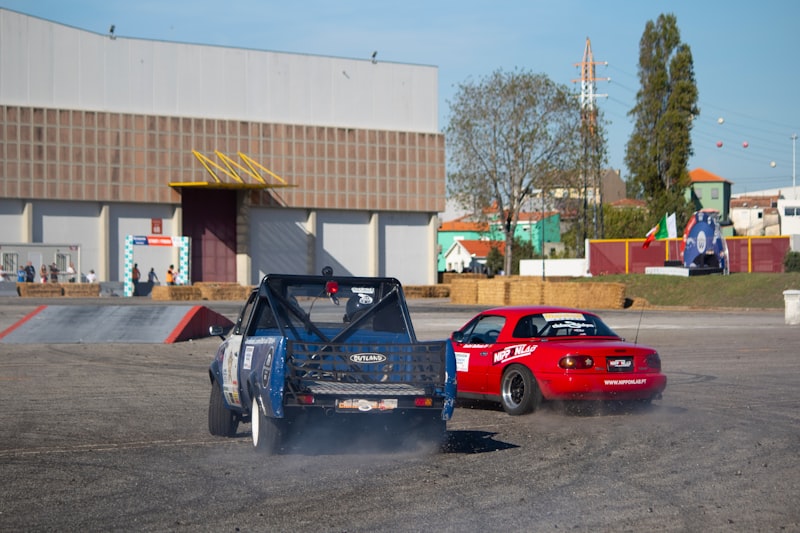
The first step in understanding how to pass tech inspection for drag car competitions is to study the latest rulebooks. Racing organizations like the NHRA and IHRA update their requirements every year. For 2026, updates include cage design, fuel system limits, and new fire safety standards. Therefore, always get the current rulebook for your class and use it as your starting checklist.
A dedicated race car focuses on competition details. Chassis, cage, and slicks differ from a street car build. For example, the NHRA specifies minimum tube wall thickness for various ETs (elapsed times). A car that runs a 10-second quarter must have a different cage than a slower street-legal car. In fact, failing to meet these specs will almost always result in a failed inspection.
Inspectors begin each tech with a structured walk-around that covers:
- Exterior condition (no body damage or sharp edges)
- Tire specs and wheel integrity (slicks must have legal tread depth)
- Chassis certification points and weld quality
- Safety cage construction, including materials and welds
- Fuel system routing and shielding
- Expired harnesses or out-of-date fire systems
- Bolt-in cages with incorrect hardware
- Fuel lines routed through the driver area
- Missing driveshaft loops or shields
- Tires outside the specified range (width, rating, or tread depth)
- Cars running 10.00-7.50 seconds need an 8.50 cage at minimum.
- Under 7.50 seconds must meet SFI certification (such as 25.1 for dragsters).
- All welds must be clean, continuous, and show no signs of cracks or gaps.
- Cracks, dry rot, or visible damage on any tire
- Proper tire matching (front and rear, no mixing speed ratings)
- Correct mounting direction
- Driver’s license and competition license for the correct class
- SFI and NHRA or IHRA certification papers for harness, cage, suit, helmet, and fire system
- Current tire and fuel cell tags
- No loose tools or parts in the cabin or trunk
- Clean, readable car numbers
- Easy access to all inspection points
- All fire bottles and safety items mounted and tagged
For each point, they look for compliance with the rulebook. If anything is marginal or unclear, you may be sent to the end of the line or forced to withdraw. As a result, you must always double-check your work.
Pro Example: Cage Certification
Consider a Pro Mod dragster built for NHRA events. Because it runs under 7.50 seconds, the cage must pass SFI 25.1 certification. The inspector will check for correct tube size (usually 1-5/8″ x .083″ chromoly), precise welds, and verified tagging. If the tag is missing or expired, the car fails tech—regardless of how advanced the rest of the setup is.
Common Fail Points
Many cars fail inspection due to:
Address these issues before loading the car for tech. In addition, document compliance with photos and checklists for your records.
Chassis and Safety Cage for Dedicated Competition Builds
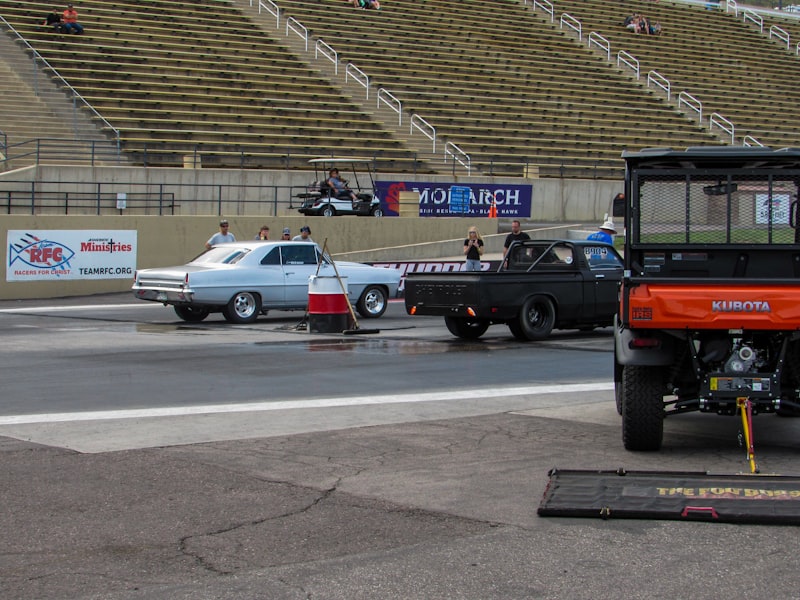
For competition-focused drag cars, the chassis and safety cage are the first areas inspected. However, building beyond the basics gives your car a significant advantage in both safety and reliability.
A properly built chassis provides the foundation for a legal, high-performance car. In 2026, rules require specific tubing sizes and configurations for different elapsed times:
Therefore, plan your build with certified chassis fabricators if possible. Sending your chassis to a shop with SFI credentials often speeds up inspection and adds credibility. Ask for the certificate on completion.
Cage geometry is also critical. Main hoops must be at or above the driver’s helmet. Diagonal bars are required for strength. Side intrusion bars prevent door impacts from reaching the driver. As a result, inspectors will check tube layout and measurement as closely as weld quality.
In addition, mounting points must use solid, reinforced plates. Bolts need to be grade 8 or better. Sheet metal screws or undersized bolts are automatic fails.
Pro Insight: TIG vs MIG Welding
Many sanctioning bodies prefer TIG welding for chrome moly cages. However, advanced MIG is allowed for some mild steel setups. Therefore, check your class and material before welding. Poor welds or visible porosity will cause an immediate rejection.
Because building to spec is not just about passing tech, it protects everyone on the racing surface. In summary, invest time and money into professional cage work if you want to compete at the highest level.
Safe Fuel, Electrical, and Fire Systems for Race Cars
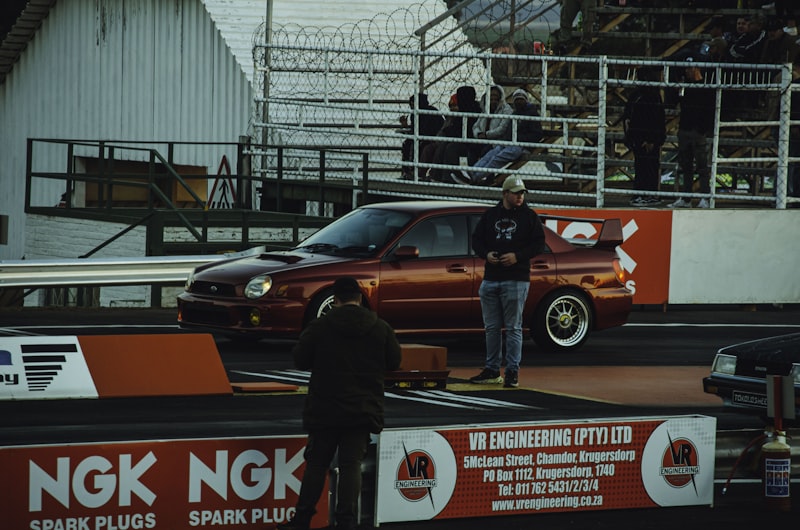
Passing tech inspection also means showing that your fuel, electrical, and fire systems are safe and compliant. These systems are even more critical for competition drag cars, where extreme engines and advanced setups are standard.
Start with the fuel system. Racing rules require metal-encased lines where routed near the driveline or inside the car. In addition, you must use AN fittings and secure all connections with proper clamps. Inspectors check for rubbing, leaks, and correct venting.
Fuel cells must be mounted behind the firewall and shielded from the driver area. For example, many sanctioning bodies in 2026 require an SFI 28.1-rated cell in classes running over 130 mph. Always check that the cell’s approval tag is current.
Electronics are another focus. All batteries should be securely mounted and isolated from the passenger area. Cables must be protected from abrasion. Using grommets for pass-throughs is mandatory. Any sign of exposed wiring or home-brewed connections will attract negative attention.
For fire safety, a minimum 5-pound SFI-rated fire extinguisher is required in most competition drag classes. However, faster cars and pro chassis need full fire suppression systems with nozzles in the engine and driver compartments. In fact, many tracks in 2026 require a manual pull cable mounted in easy reach of the driver.
Inspectors will ask you to show the fire system’s tag, nozzle locations, and operation. Therefore, review how to use your system before the event.
Real-World Example: Electrical Isolation Switch
In competition builds, an external battery kill switch is required by nearly all sanctioning bodies. For example, the NHRA and IHRA mandate a red-labeled switch accessible from the rear of the car. Test it before every tech inspection. If the switch does not kill power immediately, fix or wire it correctly or fail inspection.
Wheels, Tires, and Suspension: Advanced Setup Essentials
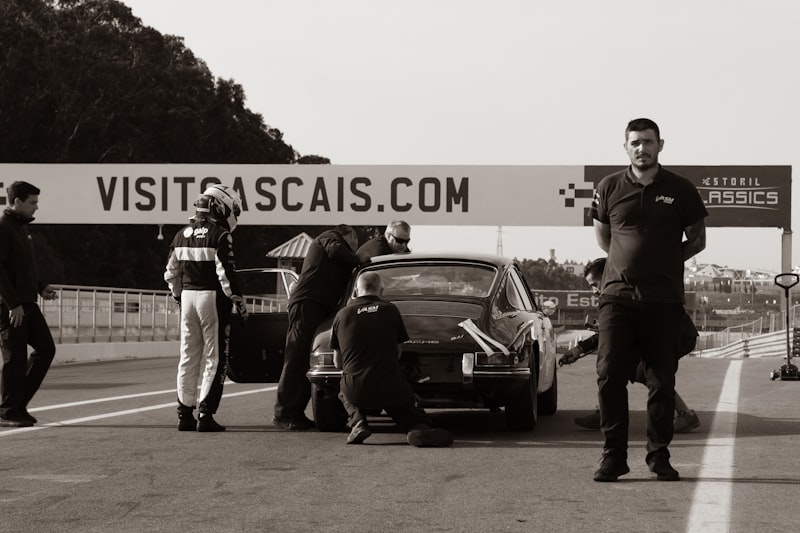
Even the best-built chassis can fail tech if wheels, tires, and suspension do not comply with drag race competition standards. In this section, we focus on parts selection and maintenance for dedicated race cars, where details matter.
First, tire approval is strict. For competition builds, only specific drag slicks and front runners are allowed. Check that your tires are within the date code set by your sanctioning body. For example, NHRA often does not allow rear slicks older than five years, regardless of tread depth. Because of this, always replace tires before a major event if there is any doubt.
Inspectors look for:
Wheels must have legal load ratings for the car’s weight. Check for any bent edges or missing lug nuts. In addition, most tracks require open-end lug nuts for cars running under 10.00 seconds E.T.
Suspension is just as important. Inspect every joint and link for play, cracks, or loose mounts. Solid rear axles, ladder bars, and four-links must be tight and show no weld damage. Shock and strut attachments require either grade 8 bolts or correct factory fasteners.
For example, an NHRA Pro Street car failed tech in 2025 because new coilover shocks were not mounted with lock nuts. The shocks passed visual inspection, but the attachment hardware did not meet spec. As a result, the car was not allowed to race.
Sway Bars and Links
Many advanced drag cars use adjustable anti-roll bars. Inspectors check that links are free of cracks and securely mounted. In fact, if a bar or link is missing a cotter pin, you may be stopped from entering the staging lanes.
Keep spares of critical hardware in your trailer. Because small parts often break or go missing on race day, quick repairs can save your weekend.
Paperwork, Tagging, and Final Checklist Before Tech Inspection
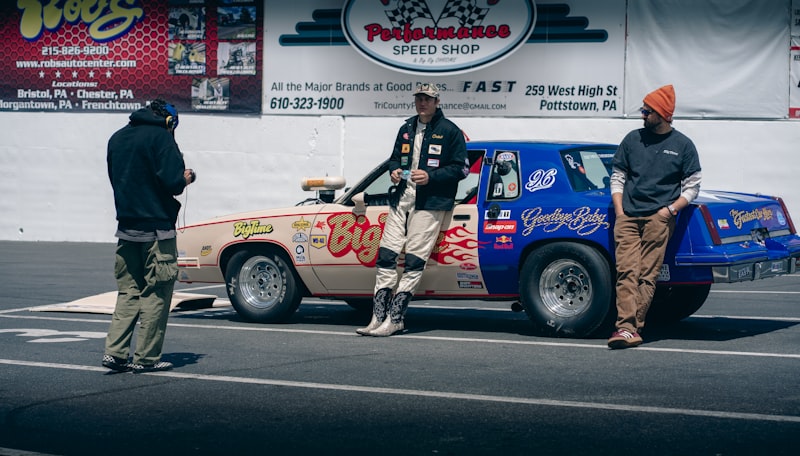
Preparing your drag car means more than building strong parts. Passing tech inspection also involves paperwork, tags, and a professional approach before the inspector arrives.
First, gather all documents and certifications. In addition to chassis tags, you may need:
Check expiration dates. For example, SFI window net tags expire every two years. Harnesses are good for two years from the manufacturing date. In 2026, many events now scan barcodes to verify validity. Therefore, do not count on outdated paperwork.
Keep spare tags, SFI patches, and a clear folder for documents. Because inspectors move quickly, handing over organized papers shows you are prepared and professional.
Before pulling into tech, run through a final checklist:
Show respect to inspectors. Listen, answer questions clearly, and stay calm if issues arise. In fact, a positive attitude can make a difference, especially if a problem is minor and you show willingness to fix it on the spot.
Finally, some events offer pre-tech or “fast lane” inspections for previous successful racers. Ask the organizers if this option is available.
Conclusion

Knowing how to pass tech inspection for drag car competitions takes planning, attention to detail, and a focus on safety. Study the latest rulebooks, build to exact chassis and cage specs, and prepare all documentation in advance. Address common failure points before event day.
In summary, inspect your car, document your build, and respect the inspection process. This approach not only helps you pass tech but also protects you and others on the track. For more advanced guides and competition-focused build tips, explore the latest resources on NHRA Competition Rules.
Prepare, plan, and race safely. Good luck with your next tech inspection and competition season.
Leave a Reply