


The pros and cons of stiff vs soft suspension have a big impact on how your car handles, especially when traction and launch performance matter. Many drivers face this question when aiming to improve suspension setup, tires, or weight transfer for better launches.
Understanding which suspension style fits your needs is vital. It can mean the difference between consistent traction and wasted power at the start line. In this guide, we will see both sides. We’ll use real examples and explain how these adjustments affect your car’s traction and overall ride.
Understanding the Basics: What Is Stiff and Soft Suspension?

Before exploring the pros and cons of stiff vs soft suspension, it helps to define both terms. Suspension stiffness refers to how much resistance your springs and dampers have to movement. In other words, a stiff suspension resists compression or bounce, while a soft suspension allows for more movement.
Stiff suspension setups use springs and shocks with high rates. This means they compress less under load. As a result, handling can feel more precise on smooth roads or tracks. On the other hand, a soft suspension uses springs and shocks with lower rates. The system compresses more, which allows the car to soak up bumps or shift its weight during acceleration.
Most street cars leave the factory with relatively soft setups. This choice is for comfort and safety. In racing or performance builds, stiffer suspensions are common. The main goal is to improve handling and reduce unwanted body movement.
For example, in drag racing, some drivers soften the rear suspension to increase weight transfer to the driving wheels. This helps traction off the line. Conversely, in autocross or circuit racing, harder setups can reduce body roll and keep tire contact more consistent in turns. These differences can dramatically affect how a car performs at the limit.
Therefore, when thinking about the best setup for launches and traction tricks, you must consider your goals. Do you value comfort, or is performance your top priority? The right approach often depends on your intended use, the surface you drive on, and even the tires on your car.
Pros and Cons of Stiff vs Soft Suspension for Traction and Launches

The biggest debate around the pros and cons of stiff vs soft suspension relates to traction and launch performance. Both options offer certain benefits and drawbacks, so let’s break them down.
Stiff Suspension: Advantages and Drawbacks
A stiff suspension setup limits unwanted movement. Because of this, body roll and pitch are kept in check during heavy acceleration or quick changes of direction. For drivers looking for responsive steering and maximum stability, stiffer springs and dampers are preferred. Many circuit and autocross racers use stiffer suspension to keep the tires planted evenly during high-speed maneuvers.
On the plus side, a stiffer setup reduces squat during launches. This means the rear end of the car does not drop as much when you launch hard. As a result, weight transfer to the rear tires is less dramatic. The front end stays flatter, and tire contact is more balanced. This can reduce wheel hop, a common cause of traction loss and broken drivetrain parts.
However, there are trade-offs. Too much stiffness can hurt traction, especially on rough surfaces. If the suspension is too stiff, the tires may lose contact with the ground over bumps. In drag racing or launches on uneven surfaces, this causes wheel spin or loss of control. Additionally, stiff setups often result in a harsher ride. This can make daily driving uncomfortable and may reduce driver confidence on worn roads.
Soft Suspension: Benefits and Limitations
A soft suspension excels at soaking up bumps and allowing more body movement. During a full-throttle launch, soft springs help the rear end of a car squat down. This action shifts weight onto the drive wheels and can increase traction. For example, classic muscle cars often feature softer rear suspensions to transfer weight under acceleration on street tires.
As a result, cars with soft rear suspensions tend to grip better off the line, especially if running lower-power street tires rather than sticky drag slicks. In addition, soft setups can improve ride comfort and stability over rough surfaces. The tires stay in contact with uneven pavement, which is critical for both safety and traction.
Nevertheless, there are some drawbacks. Too much softness can cause excessive body roll, squat, or nose dive. In hard launches, this might make the front end lift too high, reducing steering control. In high-speed corners, soft suspension can decrease handling precision by shifting weight unevenly between the tires. Excessive movement may also cause energy loss, making the car slower off the line.
In summary, both stiff and soft suspensions offer clear benefits. The best setup depends on your intended use and the drive surface.
Practical Examples: Suspension Setup, Tires, and Weight Transfer in Action

Let’s explore some real-world situations to see how stiff and soft suspension impact traction and launches. First, consider a drag racing scenario. In traditional muscle car drag racing, the rear suspension is often softer. This design helps maximize rear tire loading and traction during initial acceleration. The car “squats” down, making full use of available grip.
For instance, a 2021 Dodge Challenger R/T Scat Pack with factory suspension runs a 0-60 mph time of about 4.2 seconds. However, with upgraded drag shocks and softer rear springs, drivers often see mid-3-second launches, according to popular forums and data from MotorTrend. The improved weight transfer increases rear-wheel traction, reducing wheel spin on street tires.
On the other hand, consider a track day setup. A driver competing in an SCCA autocross event typically stiffens the suspension to limit body roll and keep weight evenly distributed during sharp turns. This helps maintain predictable handling and tire grip through rapid changes of direction. As a result, lap times fall, and driver confidence increases. However, if the course surface is bumpy, too much stiffness disrupts tire contact. Slightly softer settings may achieve better results.
Tire choice further affects these results. Sticky performance tires (like R-compounds) can handle stiffer suspensions thanks to their stronger sidewalls and tread. Standard street tires, however, often work better with a bit more compliance in the suspension to avoid losing grip over bumps.
Because of this, it’s important to view suspension, tires, and surface as an integrated system. For example, a stiffer rear suspension with slicks works well on a smooth prepared strip, but on poorly prepped roads or with road tires, a softer setup may outperform it every time.
Tuning Suspension for Different Goals: Launch Consistency, Comfort, and Beyond
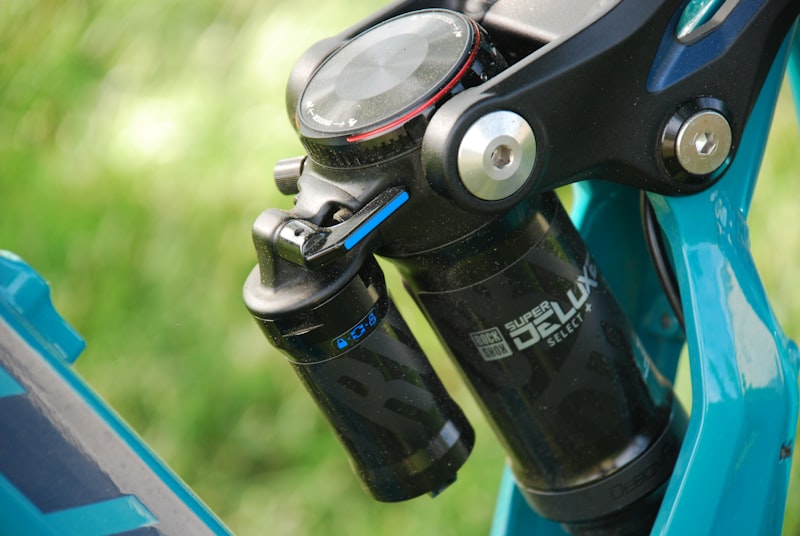
The ideal suspension setup always depends on your main goal. Launch performance, consistency, and everyday driving comfort often require different compromises. Let’s break down these goals and the best practices for each.
Harder Launches and Traction Tricks
If you want to launch harder and more consistently, weight transfer is key. For rear-wheel-drive (RWD) cars, a slightly softer rear suspension helps shift weight to the back. This increases traction during launches. Many drag racers use adjustable rear shocks to fine-tune this action. Pairing softer springs with stiffer front sway bars, for example, can keep the car stable while maximizing rear grip.
On the other hand, front-wheel-drive (FWD) cars usually benefit from stiffer rear suspensions. This setup limits rear squat and keeps weight over the front tires, where traction is needed most. In both cases, incremental changes work best. Try small adjustments between runs, keeping notes to track what improves your launches.
Comfort and Daily Driving
Most street and commuter vehicles come with soft to medium suspension rates. This keeps the ride smooth and safe over broken pavement, potholes, or speed bumps. For most drivers, these benefits outweigh any small drop in absolute grip or launch speed.
Besides, softer setups help reduce fatigue and improve control in unexpected situations. If you drive long distances or mostly on city streets, comfort may matter more than outright launch performance.
Road Racing and Autocross
In autocross and circuit racing, handling and consistent tire contact are more important than weight transfer for launches. Here, stiffer suspensions give the best results. The car stays flatter in corners. This keeps all four tires gripping the road through transitions and braking zones. In 2026, technologies like adaptive dampers or electronically adjustable coilovers let drivers tweak stiffness on the fly. This can offer the best of both worlds.
Therefore, the right choice depends on where and how you drive. For more in-depth tuning guides and technical details, check trusted resources like Car and Driver’s suspension explainer.
Common Myths and Real-World Tips for Suspension Adjustment

Many myths persist in the world of suspension setup. Some think the stiffest springs always mean the fastest car. Others insist that only soft springs give enough launch grip. Both ideas are too simple, and real-world testing often tells a different story.
Myth: Stiff Equals Fast, Soft Equals Slow
In reality, the fastest setup is the one that matches your goals, surface, and tires. For example, a drag car on a prepped track uses a different setup than a street car launching from a dusty parking lot. If kickback from bumps makes the tires hop off the ground, no amount of stiffness will help. Likewise, if the suspension is so soft the car feels sloppy or unstable, traction suffers too.
Tip: Test and Tweak
The best way to find your ideal setup is to test and tweak in small steps. Document your changes and note how the car responds. Many racers recommend starting soft and adding stiffness as needed for better control. Some keep tire pressure and alignment data with every suspension change. Use each run as a test, and review results honestly.
Adapt to Conditions
Weather, road surface, tire choice, and even fuel load can all affect how your suspension works. Don’t be afraid to adjust between events, or even between runs at the same event. In 2026, trackside sensors and telemetry make these changes easier than ever.
Conclusion

The choice between stiff and soft suspension involves trade-offs. Both offer clear benefits and drawbacks for traction, launch consistency, handling, and comfort. For drag racing and hard launches, a softer rear suspension often offers better weight transfer and grip. For autocross or circuit racing, stiffer setups keep the car flatter and more responsive.
Remember, the best suspension is not always the stiffest or the softest. Instead, it’s the one that fits your car, your tires, and your goals. Test, measure, and adjust based on real-world feedback. Explore the rest of ecredexa.com for more guides on suspension setup, tires, and traction tricks to launch harder and more consistently.
Leave a Reply