


If you want to learn how to train for advanced racing classes, you need a clear plan and real dedication. This path takes more than speed alone. Pro racers build skills, learn class rules, and train physically and mentally.
Advanced racing classes are not just about going fast. They require smart choices, solid teamwork, and deep technical know-how. In this guide, we cover every step to help you move from club racing to joining national pro ranks. You will learn what top drivers do to prepare, including real workouts, class-specific drills, and pro strategies tailored to the drag racing world.
Whether your goal is to qualify for NHRA’s top ladder or stand out in pro street, this article will help you understand what it takes. We offer practical examples and links to trusted sources. Every tip is designed for racers aiming to move up in sanctioned classes in 2026.
Understanding Advanced Racing Classes and the Pro Ladder
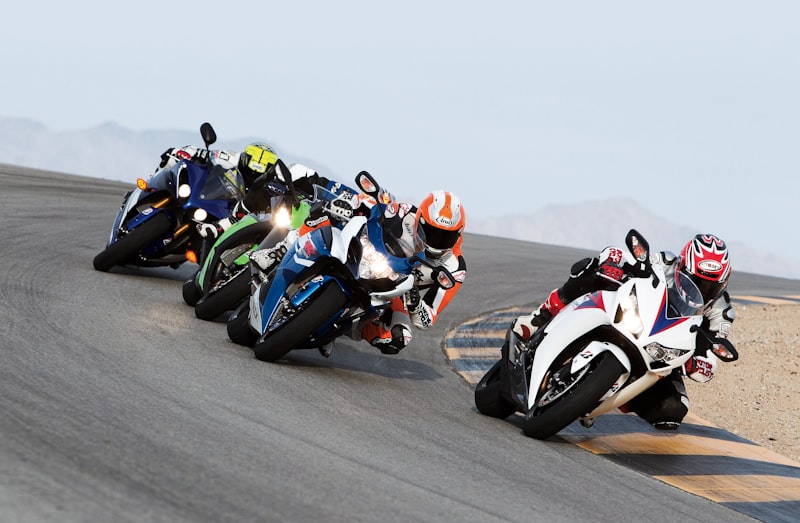
To truly grasp how to train for advanced racing classes, you need to understand what “advanced” means in racing terms. In drag racing, for example, classes are divided by car type, performance index, modifications, and driver credentials. The NHRA and similar bodies set detailed rules so that every class is fair and competitive.
NHRA Pro categories include Top Fuel, Funny Car, Pro Stock, and Pro Mod. Each class has strict limits on engine size, power output, and safety gear. The path to reach them follows a pro ladder, from beginner brackets up to Pro and Elite divisions. According to the NHRA, more than 60,000 drivers participate in sanctioned events, but only a small percentage qualify for the highest classes each year.
One major difference at the advanced level is the need for technical understanding. Drivers must know their car’s full setup, the rules for their chosen category, and the nuances that affect each round. Car tuning, data analysis, and the “crew chief” mindset become just as vital as physical reaction times.
To start training, first research your target class. For example, Top Alcohol Dragster has different licensing and mechanical needs than Pro Stock. Read the NHRA rulebook for your chosen class, check out winning teams from 2025, and watch pro-level racing to see what top drivers do. In addition, reach out to local tracks or educators to verify their advanced driver prep courses. This info will help you set goals for each season.
In summary, advanced racing classes demand a blend of speed, technical know-how, and strategic thinking. Understanding the ladder and each category’s requirements will shape the rest of your training plan.
Physical and Mental Conditioning for Advanced Racers

Physical fitness is a foundation for every driver moving into pro categories. Building the right body for racing goes beyond simple endurance. You need power, flexibility, and razor-sharp reaction times. If you want to learn how to train for advanced racing classes, you must follow a structured program.
For example, Top Fuel drivers experience up to 5G of force during a launch. This puts massive stress on the neck, back, and core. To prevent injury and boost performance, drivers should blend strength training with cardio drills. A common routine includes:
- Core workouts (planks, crunches, leg raises)
- Grip and forearm strength drills (resistance balls, wrist curls)
- Neck exercises (isometric holds, resistance band rotations)
- Interval sprints and HIIT for cardiovascular stamina
- Reaction time practice using tree simulators (flashlight “Christmas tree” drills)
- Launch control and burnout box runs at your local track
- Consistency drills: making five consecutive passes within 0.01 seconds of each other
- Data review sessions: compare your shifts, launch times, and ET with top class benchmarks
- Hold a valid lower-class racing license for at least one full season
- Log a set number of runs within a defined ET or speed band
- Pass medical and vision checks yearly
- Complete a driver’s seminar or training course, often offered at major tracks
- Submit car and safety gear for regular NHRA-approved inspection
- Improve reaction times by 0.03 seconds
- Run five passes within 0.01 seconds of target ET
- Master a new data analysis tool with your crew
According to a study published in the Journal of Sports Science & Medicine, drivers with higher levels of cardiovascular fitness react up to 15% faster than their untrained peers, especially after an hour behind the wheel.
Mental strength is equally important. At the pro level, distractions and stress can ruin a run. Top drivers use meditation, focused breathing exercises, and visualization before each round. Visualization means walking through an entire race in your mind, picturing correct hand and foot moves along with sensory details. This lowers nerves and helps drivers make the right decisions under pressure.
In addition, many advanced class drivers work with sports psychologists. They learn techniques for concentration, “zone” focus, and fast recovery from mistakes. Being mentally tough helps when the stakes are highest — like a final round or during unpredictable weather.
Therefore, a strong pro racing plan always includes both gym time and mental training. Commit at least four days a week to fitness. In fact, most elite racers split training: two days for strength, two for cardio and reaction drills, and daily short mental routines. This practice will build habits that serve you on and off the track.
Technical Skill Building: Car Tuning, Data Analysis, and Advanced Drills

Technical skills are what set pro racers apart from the amateur ranks. Training for advanced racing classes involves much more than basic car setup. You must learn to work with data logs, tune your car for each track, and practice specific class-related drills with your team.
For example, in Pro Stock, winning demands exact gear shifts and thousandths-of-a-second launches. Crew members rely on data from previous rounds. In addition, you need to tune clutch and suspension settings for changing track conditions. Advanced racers use software to analyze run data, such as launch RPM or tire slip rates, to refine their setup for the next pass.
Start by investing time in car teardown and reassembly. Know every part of your car, from fuel delivery to ignition timing to traction control. Many pro teams hold weekly “mock pit stops” so drivers and crews can practice fast, accurate adjustments under time pressure.
Drills for advanced class drivers include:
On the electronics side, learn to read and adjust data loggers. This may seem technical, but even a few hours each week can reveal trends that lead to wins. Many racers work with tuners who coach them on reading spark plug color, air/fuel ratios, and track temperature logs.
For resources, check out Drag Illustrated for the latest in racing technology and real-world case studies from winning teams. In 2026, the competitive edge often comes from combining smart data use with flawless driving technique.
In summary, you should train both as a driver and as a crew member. Learn every mechanical and electronic part of your setup. In addition, build a habit of reviewing each run, making changes, and tracking your progress. With focused skill work, you will bridge the gap to pro-level competition.
Licensing, Regulations, and Safety Preparation
There is more to moving up in advanced racing classes than building skill. Every pro-level class is regulated by strict licensing rules, safety requirements, and technical inspections. This section helps you understand what paperwork and prep are required in 2026 and how to meet them.
The NHRA, for example, uses a formal licensing system for Top Alcohol, Pro Stock, and all Pro classes. To qualify, you often need to:
Climbing the pro ladder starts with credentialed racing at the Sportsman or Comp level. After a strong season, you can apply for the next up license. NHRA documentation explains this step-by-step, including references for the “Pro Ladder System,” where drivers must log graded performances and receive team sponsor recommendations.
Safety is another key. In advanced racing classes, the minimum safety gear includes certified helmets, fire-retardant suits, six-point harnesses, and HANS devices. Your car must have roll cages that pass inspection, on-board fire suppression, and approved window nets. Regular safety drills are part of training — for example, timed egress (driver exit) drills and emergency shutoff practice.
Finally, rules change each season. In 2026, for example, the NHRA introduced stricter fuel system standards and new clutch safety shields for Pro Mod. Therefore, stay updated with your class’s requirements before each event. Subscribe to sanctioning body rule updates and visit technical seminars when possible.
In summary, training for advanced classes means more than driving fast. You must meet paperwork, pass safety checks, and show you know your class’s latest rules. Pro teams treat this as part of weekly prep — you should, too.
Building a Winning Advanced Class Training Routine

Training for advanced racing classes requires a structured routine that blends all previous elements. In fact, the most successful pro racers in 2026 follow schedules that balance on-track time, gym sessions, technical drills, and team meetings.
Start each week by setting clear goals. For example:
Plan three to four on-track practice sessions with live test runs. Between sessions, work through video review and telemetry analysis every night. This helps spot weak spots and prepares you to make smart changes on race day.
Physical training should happen at least four times a week, with a mix of strength, cardio, and flexibility work. Use mornings for gym routines and evenings for mental training, such as visualization or breathing drills. Rest days are important to avoid injury, especially during peak race season.
In addition, include routine car checks as part of your training. Work with your crew chief on fast pit stops, safety checks, and emergency drills. Support staff must know their roles. For solo racers, recruit helpers to practice tire changes and fuel loads under time pressure.
Networking and learning from others will help you refine your approach. Many drivers in 2026 join advanced seminars or shadow pro teams to see best practices. Sign up for events with driver meetups, or watch live webinars hosted by respected tuners.
Finally, log all your progress. Use a training journal to record ETs, reaction times, setup notes, and physical benchmarks. Over time, these records show patterns so you know what works best for your driving style.
With routine, discipline, and constant review, you will be ready for any advanced class.
Conclusion

Learning how to train for advanced racing classes takes effort, planning, and passion. You must blend physical fitness, sharp mental focus, and strong technical skills. In addition, understanding class rules and pro ladder requirements is essential.
To move up in 2026, follow a proven routine, work close with your crew, and always look for ways to improve. Pro racers do not win by accident — they win by preparing every detail. Start training today and use these tips to stand out in your favorite advanced racing class.
For more on racing classes, up-to-date regulations, and professional success stories, see our Classes & Pro Racing section at ecredexa.com.
Leave a Reply