


If you search common mistakes beginners make in drag racing, you will find that most new racers fall into similar traps. These errors can hold back beginners from a safe and fun first experience.
Drag racing might look easy from the outside. However, it takes more than just hitting the gas. In fact, new racers face unique challenges at their first test-and-tune nights or entry-level events. Knowing what to avoid will help you make the most of your experience.
This hands-on guide will show you how to avoid rookie errors. We break down the top missteps and give real-world tips. By the end, you will feel ready for your first day at the track.
Not Preparing the Car and Yourself: Avoiding Rookie Technical Errors
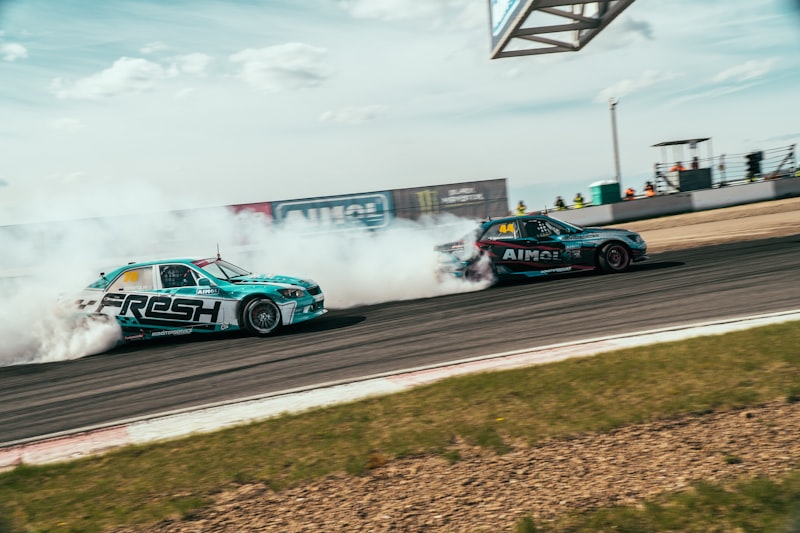
Failing to prepare is one of the most common mistakes beginners make in drag racing. You cannot just drive to the track and expect things to go well. Both your car and your mind must be ready for race day. Veja tambem: How to Prepare Your Car for First Drag Race: The Complete Beginner Guide.
Check your car before leaving home. Make sure oil, coolant, and brake fluid are topped off. For example, a low oil level can lead to serious engine damage during wide-open throttle runs. According to the National Hot Rod Association’s beginner guide, over 25% of tech inspection failures come from fluids or loose battery mounts.
Tire pressure is another important point. Many beginners forget to check this. Drag racing usually needs lower rear tire pressure than normal street driving. For example, street tires might run at 35 psi, while a beginner’s drag setup is closer to 28 psi for better grip.
Safety gear is not an afterthought. Helmets, seat belts, and closed-toe shoes are usually required. The track staff will likely turn away racers who forget these essentials. In addition, many tracks require you to empty your trunk and remove loose items from the car interior. A simple water bottle rolling under your pedal during a launch can end your day—and even cause an accident.
Preparing mentally is just as key. Review the track rules ahead of time. Watch a few experienced drivers go down the strip before your turn. This helps fight nerves and keeps your focus sharp on race day.
By paying attention to these details, you save both time and stress. You start your drag racing journey on the right foot. Preparation is not only about safety. It is also about setting yourself up for a better personal record (PR) from day one.
Misunderstanding Staging, Launch, and Reaction Time
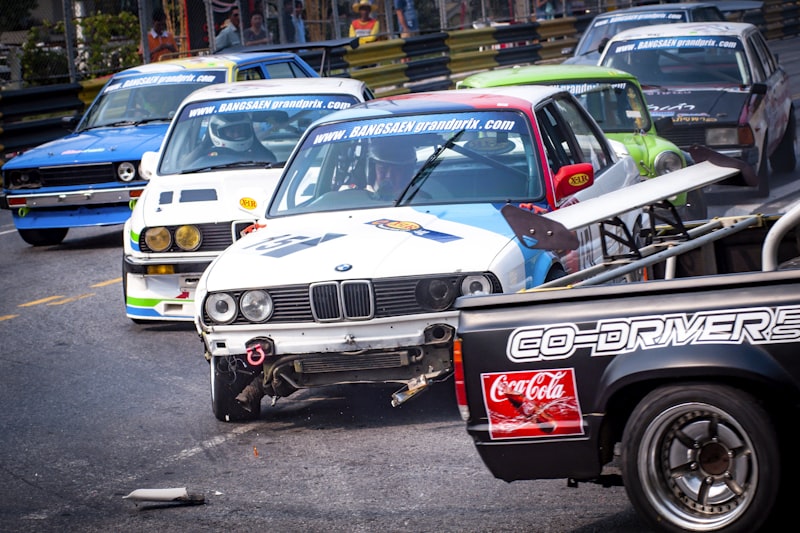
First-timers often worry about their car’s power. However, the most common mistakes beginners make in drag racing often happen before the green light. Poor staging and slow reaction times can ruin a run even with a fast car.
Staging is the process of lining up your car at the starting line. You must position your front tires between the two sets of lights—pre-stage and stage. Many new racers “deep stage”—rolling too far forward—which can lead to automatic disqualification or at least poor times. Watching officials and following their hand signals will help you stage properly.
Once staged, the starting lights (the “Christmas tree”) begin to flash. Reaction time measures how fast you leave after the light goes green. The car’s time does not start until you move. Quick reaction times—even with a slower car—often win bracket races. For example, a seasoned racer might have a reaction time of 0.050 seconds, while beginners often average 0.300 seconds or more.
Beginners sometimes go as soon as they see the last yellow light, but most tracks allow you to “anticipate” the green by launching just as the last yellow illuminates. This technique takes practice. In fact, a study by Grassroots Motorsports found that improving reaction time is one of the easiest ways for rookies to cut half a second from their run without changing the car.
Over-revving at the start is another new racer error. Spinning the tires results in slower times. A smooth, controlled launch will often beat a wild, smoky burnout.
In summary, focusing on staging and reaction skills—rather than just horsepower—improves results. Spend time practicing these basics at every test-and-tune night. You will see consistent progress.
Not Knowing Track Rules and Event Flow
Many beginners feel overwhelmed by the details of event day. It is easy to miss a drivers’ meeting or misunderstand lane assignments. However, this mistake creates confusion and, at times, even safety hazards.
At your first drag racing event, check in early. Most tracks post a schedule and rules online before race day. Reading these in advance saves time and helps you calm your nerves. For example, many tracks use a wristband system to show you have passed tech inspection. Missing this step means you might be sent back at the staging lanes.
The drivers’ meeting is crucial. It covers the day’s schedule, safety protocols, and any local track rules. You will also learn about emergency procedures and weather delays. Skipping this meeting can put you at risk for penalties or even being asked to leave.
Some new racers rush straight to the lanes and block traffic. Instead, wait for lane calls or a staff signal. This keeps races flowing smoothly for everyone. Similarly, most tracks have rules about burnouts. Doing a long, smoky burnout out of turn is frowned upon and might get you a warning.
Beginner events often organize drivers by skill or car type. Pay attention to lane assignments and classes. If you do not, you could race someone with far more experience or even violate safety rules.
In addition, keep your pit area clean and follow any instructions about fueling or tire changes. Trash or loose items left around your spot can be a hazard.
Knowing and respecting these local rules shows respect for both the sport and other racers. You are more likely to make friends and learn from experienced drivers if you are seen as prepared and considerate.
Overlooking Data, Feedback, and Maintenance Between Runs

One of the biggest missed opportunities for beginners is failing to learn from each run. In drag racing, improvement comes from listening to feedback, checking your data, and making small adjustments.
Many new racers do not record their time slips. However, each slip gives useful information: reaction time, 60-foot time, and trap speed. By comparing your slips, you can spot trends. For example, if your 60-foot time drops, you likely improved your launch. If your trap speed falls off later, you may have a mechanical issue.
Ask other racers or staff for tips. Most experienced drivers are happy to share what worked or did not. For example, they might suggest a small tire pressure change or a tweak to your launch RPM.
After each pass, walk around your car. Check for leaks, odd smells, or loose parts. It is common for beginners to miss early warning signs. If you hear a new noise or see a warning light, do not make another pass until you find the cause. According to the NHRA, even minor issues can become dangerous at speed.
Do not rush back to the staging lanes after a run. Let your car cool between runs, especially on hot days. Overheated engines are a top reason beginners have to end their day early.
Use each event as a learning session. By tracking your results, asking questions, and performing basic checks, you avoid repeat mistakes. This results in both quicker times and a safer race day.
Conclusion
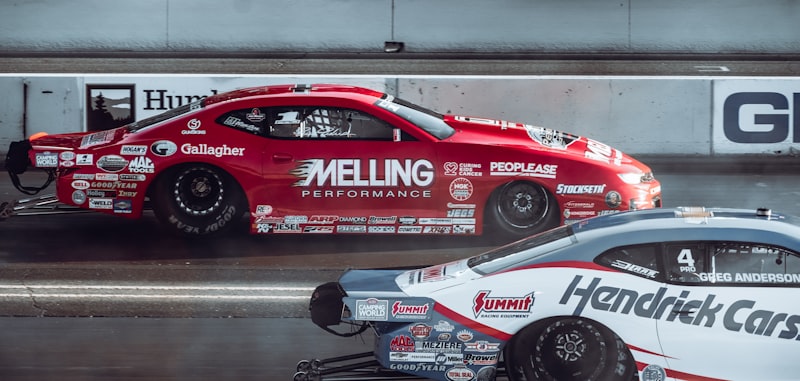
In summary, the common mistakes beginners make in drag racing usually come from lack of preparation, misunderstanding basic procedures, ignoring event rules, and failing to learn between runs. Addressing these key areas will help you avoid frustration and even danger.
Drag racing is thrilling. Making a few changes before your first test-and-tune night will set you up for a fun, safe experience. Always prepare your car, study the basics of staging and launching, respect track rules, and use data to improve after every run.
Your first races are about learning, building confidence, and having fun. Keep these tips in mind, and you will see progress each visit. For more beginner guides and drag racing tips, keep following ecredexa.com. Good luck at the track!
Leave a Reply