

Selecting the best tire choices for competition drag car builds is one of the most critical decisions you can make for your race setup. These choices impact grip, safety, consistency, and even class compliance on the strip.
In fact, the right tire can mean the difference between a new personal record and spinning through the 60-foot mark. With technology advancing rapidly in 2026, competition builders face more tire options, compounds, and construction types than ever before.
This article breaks down everything you need to know about race tires for serious drag builds. We cover construction, compound selection, sizing strategies, brand recommendations, and real-world setup tips for professional-level results.
Understanding Tire Types for Competition Drag Cars
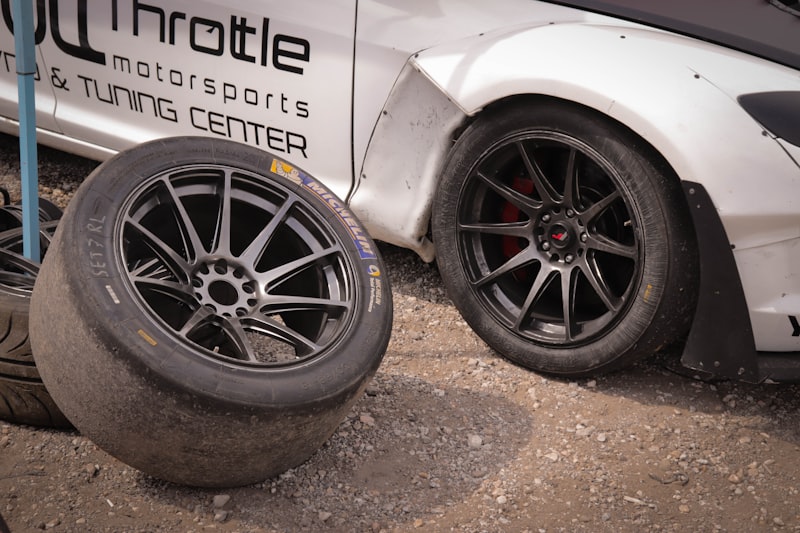
Choosing the right drag tire starts with understanding the main types available for competition use. Race-specific tires are far different from street tires, even those labeled as “drag radials.”. Veja tambem: How to Pass Tech Inspection for Drag Car Competitions: Complete 2026 Guide.
Slicks vs. Drag Radials
First, let’s look at full slicks. Slicks have no tread and maximize the contact patch for pure grip. Therefore, nearly all serious competition builds in heads-up, Pro Mod, Top Sportsman, or Outlaw classes use full slicks.
On the other hand, drag radials have a D.O.T. mandate and minimal tread. In fact, “radial vs. slick” class regulations decide which you need. Radials provide great traction in classes like X275, Ultra Street, and some bracket classes. In addition, radials have stiffer sidewalls that resist flex at launch, which helps keep the tire round off the line.
For example, the Mickey Thompson ET Street R is a top radial tire for 2026, while the Hoosier 18130 C2055 is a popular slick. Classes like NHRA Stock and Super Stock require specific radials, so always check the rulebook.
Tire Construction: Bias vs. Radial
Bias-ply slicks remain popular for Pro-level dragsters and high-horsepower door cars. Therefore, if your competition build runs 2,500+ HP and launches with big torque, a bias-ply slick absorbs shock well and offers predictability through the run.
On the other hand, radial slicks work best for cars that need minimal tire flex and maximum consistency. Modern technology has pushed radial tire construction to support over 3,500 HP, as seen in classes like Radial vs. The World.
Because of this, racers must match tire type to both rules and application specifics. For more construction differences, check this reliable guide from Hoosier Racing Tire.
Key Considerations in Selecting the Right Drag Tire
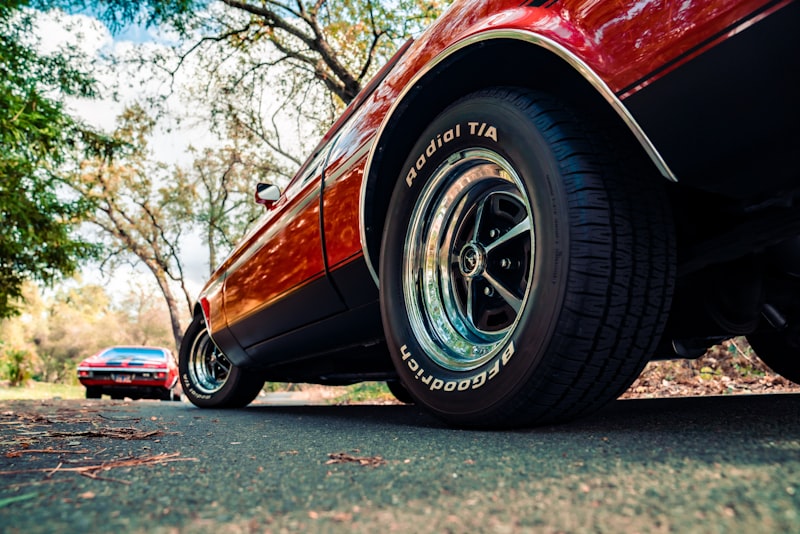
Making the best choice isn’t as simple as picking the widest tire. Several factors play key roles in competition builds. Let’s explore what separates top racers in 2026.
Compound and Heat Management
Tire compound directly affects grip. Soft compounds provide superior launch traction, but may degrade after several hard passes. For instance, Hoosier’s C2055 and C1550 are popular choices for bias slicks, with the C2055 being slightly softer for cool tracks.
In addition, conditions at your track matter. “Hot” compounds are designed for warmer weather and higher track temps. On the other hand, “cold” compounds work better in cooler climates and early morning sessions.
However, softer compounds show best results for heads-up racing, while harder compounds may last longer for round-based bracket racing. Always use a pyrometer to check surface temperature and match your compound to those numbers.
Sidewall Height, Width, and Aspect Ratio
Width isn’t everything, but it matters. For example, a 33x16x15-inch slick offers a massive footprint for Top Sportsman builds. Nevertheless, a narrower tire may produce more consistent launches in bracket classes.
Sidewall height also affects shock absorption and launch characteristics. Therefore, taller sidewalls allow more “wrinkle” at launch for bias-ply setups. Radial tires usually have shorter, stiffer sidewalls for sharper response.
In addition, the aspect ratio impacts how the tire “plants” under hard acceleration. As a result, higher aspect ratios may help in controlling wheel hop and tire shake.
Weight Savings and Rolling Mass
Tires (and wheels) represent rotating mass. Reducing this weight increases acceleration and can shave tenths off your time. Some top builds use lightweight beadlock wheels with “ultra-light” slicks to maximize efficiency.
However, ensure your tires offer enough strength to handle launch shock. Underbuilt tires may lose shape at high speed—which reduces safety and grip.
Top Brands and Models in 2026 for Full Competition Builds
With so many products on the market, it helps to know which manufacturers lead the field. In 2026, a few stand out based on results, compound research, and driver feedback. Let’s look at who rules the competition drag scene today.
Mickey Thompson: Historically Proven Performance
Mickey Thompson (M/T) has dominated North American drag racing for decades. Their Pro Drag Radial and ET Drag lines offer unmatched consistency for slick and radial-prepped surfaces.
For 2026, the ET Drag “PBR” series expanded with new compounds tailored for cooler and hot-weather venues. In fact, cars using the 3062R have set records in Pro 275, while the 3183W full slick remains a staple for high-horsepower Outlaw racers.
Hoosier: Big Presence in Slicks and Radials
Hoosier consistently partners with top teams. They have strong bias-ply options like the 18130 C2055 (33x16x15) and 18233 C1550 (popular for high 7-second cars). Their new “Power Max” radial range, introduced in late 2025, offers a solution for 2,000+ horsepower turbo builds.
On the other hand, Hoosier’s bias and radial slicks offer race-proven reliability, which keeps builders loyal across drag classes.
Goodyear: The Competition Standard
Goodyear Eagle drag slicks are the choice of many NHRA champions. The D1R and D5A compounds have evolved to meet modern traction needs, given the rise in track prep technology.
Goodyear offers custom tire builds for Pro Stock and Top Alcohol classes, in addition to standard “sticker” slicks. On the other hand, they continue refining sidewall design for reduced shake and greater safety. For more, refer to the NHRA tire rules and tech.
Emerging Brands and Innovations
Small manufacturers, such as Phoenix and American Racer, are pushing compound research and introducing new “hybrid” drag tires for index racing. Therefore, these options offer more affordable entries for grassroots competitors. However, they lack the deep data sets that major brands deliver.
In 2026, always look for compound updates each offseason. Manufacturers release “secret” batches based on feedback from top teams, so stay connected with local chassis builders and tire reps.
Tire Sizing and Setup for Advanced Drag Car Builds
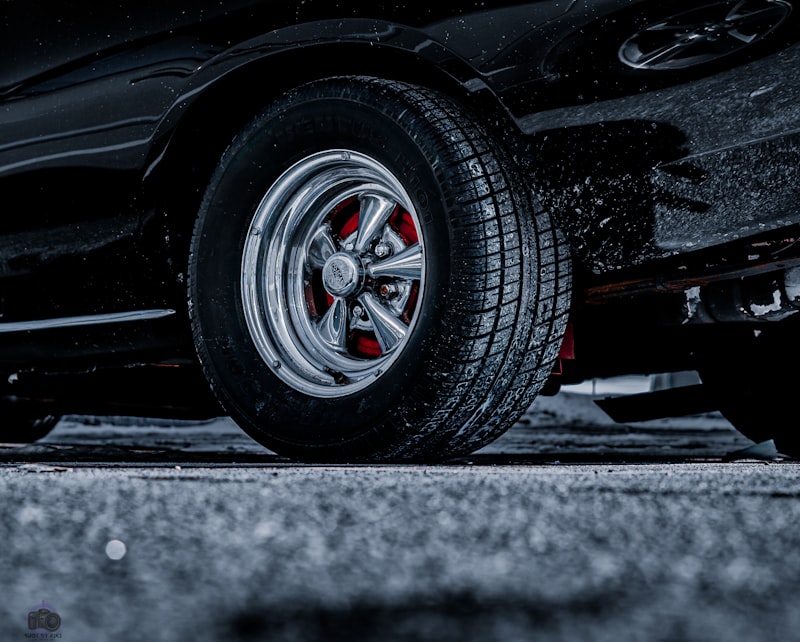
In competitive drag racing, how you size and set up your tires impacts every aspect of performance. This goes beyond width and diameter—it covers wheel fitment, pressure, and launch strategies.
Picking Tire Size for Chassis and Class
First, class rules dictate maximum tire width in many heads-up formats. For example, “10.5 Outlaw” classes limit rear tires to a true 10.5-inch tread, while “Radial vs. The World” allows for a 315/60R15 radial.
In addition, chassis architecture affects sizing. Four-link Pro Mods can run large 34.5×17 slicks, while stock suspension cars may only fit 28 or 29-inch radials.
Because of this, always measure backspacing, inner tub clearance, and outer fender space before ordering tires. In fact, many racers mock up with a “wheel fitment tool” to ensure safe clearance at suspension travel limits.
Tire Pressure—A Secret Weapon
Tire pressure tunes launch dynamics. Most bias-ply slicks work best between 7.5 and 9.5 psi for maximum “wrinkle,” especially in high-power applications. Radials, however, usually run higher—often between 15 and 19 psi.
For example, in X275 radial racing, cars running around 3,000 horsepower typically launch at 16 psi, dropping to 15 psi in cooler conditions for added grip. However, dropping pressure too far can increase rolling resistance and heat too much.
Always tune pressure based on track temp, compound, and power level. Track test often and keep meticulous notes from every pass.
Managing Burnout and Tire Prep
Burnout style depends on tire and compound. Slicks need enough heat to soften, usually 5-10 seconds at medium rpm. Radials require a shorter, cleaner burnout—overheating can “grease” the tire and reduce launch consistency.
In addition, always check the rules for the heating area and procedure at your track. Some organizations mandate short burnouts or limit burnout length to reduce starting line delays.
Tire Maintenance, Lifespan, and Replacement Strategies
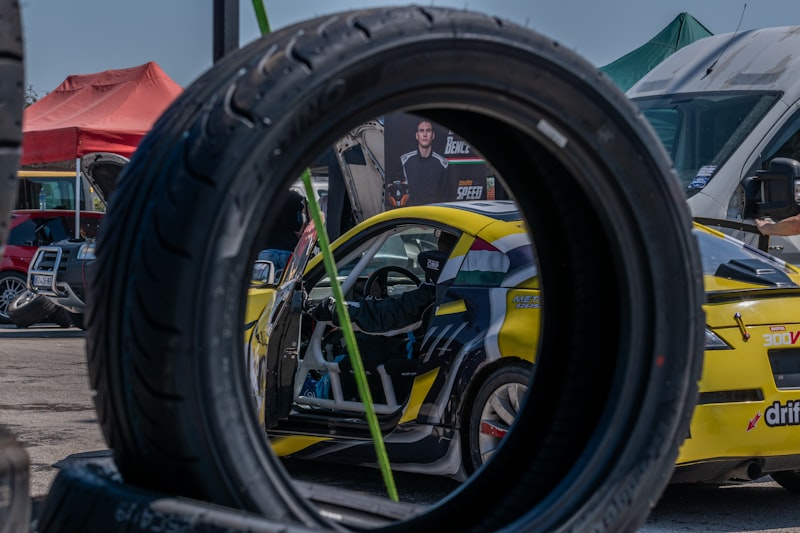
Even the best tire choices for competition drag car builds demand constant attention to stay fresh and predictable. Tires wear fast in high-level racing, and managing their lifespan is key to both performance and safety.
Monitoring Wear Patterns
Inspect tread surface after every pass for cupping, feathering, or bald spots. Irregular wear often signals alignment issues, shock problems, or chassis twist.
On the other hand, sidewall cracking or separation means the tire is beyond its service life. Mark your tires and rotate left/right between events to even out wear, especially if your launch routinely “loads” one side more.
Heat Cycles and Compound Aging
Each launch and run is a heat cycle. After 15-20 cycles, many soft compounds lose grip. Hoosier and Goodyear recommend replacing slicks after 30-40 moderate passes or 15-20 passes on hard launches.
In fact, top teams track performance drop-off. When 60-foot times start to slow by more than 0.02 seconds, it’s often time for new rubber.
Storage and Transportation
Store tires upright and out of direct sunlight or ozone sources. Never lay them flat, as flat spots can develop. Let them cool fully after each race day before transport.
Because of this, many teams maintain two or three sets and cycle them in and out as conditions change. If you only run a few high-level events each season, still replace tires every year for safety, even if tread depth looks good.
Conclusion

Selecting the best tire choices for competition drag car builds in 2026 is a key element in reaching top performance. You must match tire type and compound to your chassis and racing class, balancing grip, safety, and class rules. Top brands like Mickey Thompson, Hoosier, and Goodyear continue to dominate, but always check for the latest compound updates as technology evolves.
In addition, focus on correct sizing, pressure setup, and diligent maintenance to keep your build at peak potential. Staying informed and testing new products on your actual setup will deliver the competitive edge you need.
For more expert insights and setup tools, explore full resources at Hoosier Racing Tire and the NHRA Tech Center. Start your season strong with the right tire strategies and see the difference on your competition timeslips.
Leave a Reply