


If you want to learn what is corner balancing in suspension tuning, you are in the right place. Corner balancing is a precise method that plays a huge role in how your suspension handles traction, weight transfer, and launching power.
Suspension tuning is often seen as a dark art, especially for those chasing better consistency on launch or improved lap times. Yet, corner balancing is a science-backed process that helps even street and drag racers get better grip and predictability.
In this article, we will explain how this approach translates into real-world handling and consistent traction. We’ll use examples from racing and street performance. In addition, you’ll see how making small changes in your car’s corner weights can have a big positive effect on your launches.
What Is Corner Balancing in Suspension Tuning? The Basics Explained
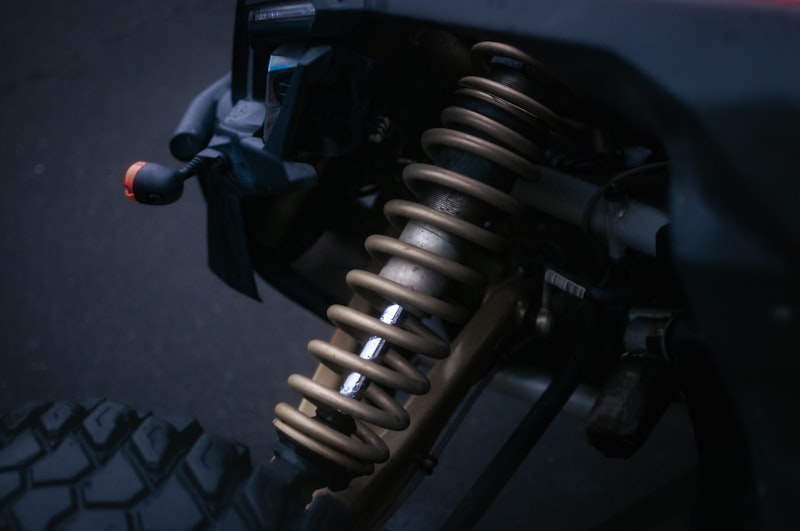
Corner balancing in suspension tuning refers to the process of adjusting the weight distributed on each tire when the car is at rest. To achieve this, mechanics use scales placed under each wheel. The goal is to equalize weight side-to-side and, when possible, optimize the cross weights for improved performance. Veja tambem: Pros and Cons of Stiff vs Soft Suspension: Which Setup Is Best?.
In racing, cars need to distribute weight evenly to all four tires. If one corner carries more weight, that tire may lose grip earlier or cause unpredictable handling. For example, during hard launches, uneven weights can push the car sideways or cause spinning tires on one side. Because of this, top teams corner balance cars before every major event.
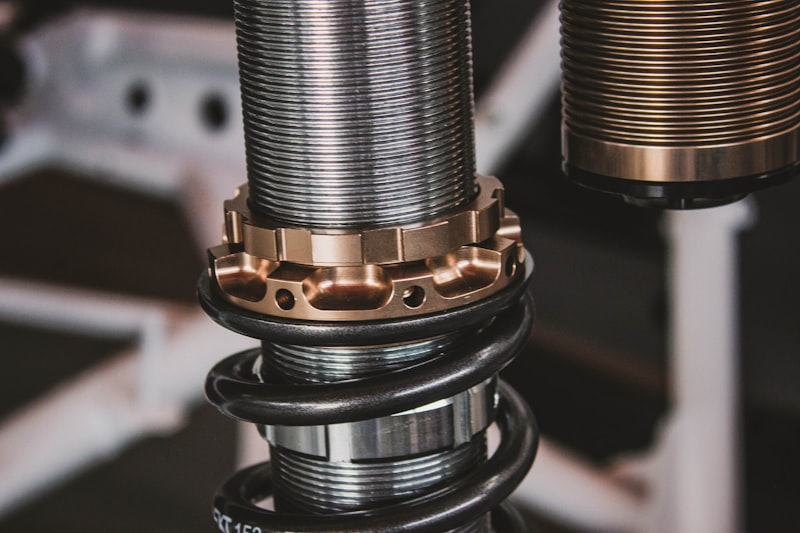
This process is not just for race cars. Streetcars and drag cars benefit as well. Many enthusiasts think that lowering a car or adjusting coilovers is enough. However, those changes can upset the balance. Corner balancing solves this problem by fine-tuning spring platforms so each wheel supports the right share of weight.
For example, a car with a total weight of 3000 pounds might see 800 pounds on the left front, 700 on the right front, 750 on the left rear, and 750 on the right rear. After corner balancing, you might bring the left and right sides much closer—say 775 and 775 at the front, and 725 and 725 at the rear. This makes launch traction more even and handling more predictable.
Cars with adjustable coilovers are ideal candidates for this practice. In fact, many coilover kits come with instructions to corner balance for the best results. Track cars almost always get this done, but as more street and drag racers look for every advantage, it’s becoming a standard suspension tuning step for these groups too.
Therefore, corner balancing is a critical part of suspension setup—not just theory, but a strong performance advantage for those who master it.
Cross Weights and Launch Consistency
Let’s take a closer look at cross weights, which are crucial for traction and launch. Cross weights compare the sum of the left front and right rear with the sum of the right front and left rear. The closer these totals are, the easier it is for the car to launch straight and maintain balanced handling under power.
When a car’s cross weights are off, the car will tend to launch or corner better in one direction than the other. This is why drivers may complain of a car pulling or spinning on launch, even if tire pressures and spring rates are matched. A simple cross weight check can reveal these problems before they ruin your run.
Why Corner Balancing Matters for Traction and Weight Transfer
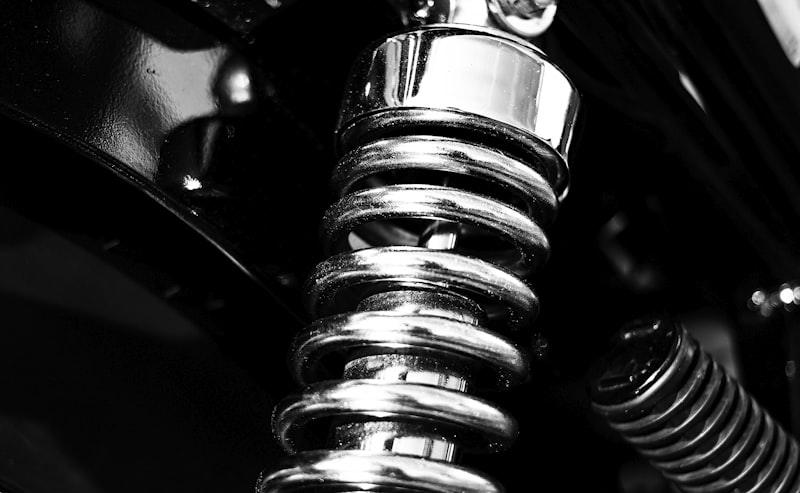
Traction on launch depends on how well the tires grip under high torque. Uneven weight at each tire means some tires will do more work than others, resulting in wheelspin or slower launches. In addition, weight transfer during acceleration is affected by how well the suspension is balanced.
For example, if your car puts more weight on the right rear than the left rear, that tire will find more grip off the line. On the other hand, the left rear may spin or slip. This uneven traction can cost tenths at the strip, or cause control issues on the street.
Similarly, in road racing, cornering forces will transfer more weight to one side if the balance is not ideal. Therefore, you get earlier tire overload, unstable exits, and inconsistent lap times. As a result, achieving close left-to-right and cross weights helps keep all tires working together.
A well-corner balanced car also feels more predictable. When launching, you’ll notice a reduction in “pulling” or “twisting” off the line. The car goes straighter, and it’s easier to put down all the power. This helps not only in drag racing but also in autocross and circuit events.
In fact, many suspension experts, such as those at Grassroots Motorsports, recommend corner balancing before every major suspension change or before each race weekend. Their data shows that even 20 pounds of imbalance can change a car’s handling drastically.
You do not have to be a pro to see gains. Even street drivers report better steering feel and braking with properly balanced cars. Whether the goal is launching harder or getting through corners faster, this practice is essential.
How to Corner Balance: Tools, Steps, and Mistakes to Avoid
Corner balancing requires special tools and patience. The main tool is a set of four individual scales, designed for cars. Shops and dedicated racers often buy or rent race car scales for this purpose.
First, make sure the car sits on a flat and level surface. Place the scales under each wheel. Next, set tire pressures to your target levels. Load the car with the driver (and sometimes fuel and other equipment), since these affect weight distribution.
Record the initial readings. Usually, you’ll see numbers that are close, but not equal. The aim is to adjust the spring perches on the coilovers (or sometimes torsion bars/leaf springs) to raise or lower each corner slightly. Adjusting one corner will raise or lower the weight on adjacent corners. Therefore, you need to work in small steps and re-measure after each change.
For example, raising the right front coilover puts more weight there, usually taking weight away from the left rear. By repeating these tweaks, and rechecking the scales each time, you can eventually get the left-right sides and cross weights equal within a margin of a few pounds—often under 1% difference for best results.
Common mistakes include:
- Not checking tire pressures first
- Forgetting to level the ground surface
- Not sitting in the driver’s seat during setup
- Over-adjusting and going past the correct balance
- Suspension Geometry: Corner balancing doesn’t change geometry, but poor geometry (like excessive camber or incorrect toe) can hurt the gains you make with this practice. Always get an alignment after balancing.
- Spring and Damper Rates: If your springs are too soft or too stiff, you may not be able to get cross weights correct. Therefore, select rates appropriate for your car and usage before balancing.
- Ride Height: Large differences in ride height side-to-side or front-to-back can throw off balance and reduce launch grip. Balance ride heights first, then fine-tune with the scales.
- Weight Distribution: Negative effects of front- or rear-heavy cars can be reduced but not eliminated by corner balancing. For maximum launch grip, reducing excess front weight (for rear-wheel drive cars) will always help.
Many alignment shops offer corner balancing as a service. However, some DIYers can do it at home if they have access to good scales. Document every step. In addition, keep notes on final weights so you can repeat the process if changes are made later.
This approach takes some time, but the payoff is huge: better grip, more predictable launches, and increased confidence at the limit.
Real-World Results: Case Studies and Performance Gains
Let’s see how corner balancing has improved traction and handling in real cars.
One SCCA autocross racer, driving a Subaru BRZ, noticed a slow launch and uneven corner grip. After corner balancing, his cross weights were within 0.3% (less than 8 pounds difference on a 2800-pound car). As a result, he saw his 60-foot launch time improve by 0.04 seconds the very next event. Over a full course, his confidence and consistency increased as well.
Another example comes from grassroots drag racers. An owner of a Fox-Body Mustang lowered his car with coilover springs, but felt it pulled to the left on launches. Accurate corner balance quickly revealed a 45-pound difference across the rear tires. After adjustments, launches became straight and 60-foot times dropped by 0.05 seconds.
These gains happen because tires now get equal weight and maximum grip. This also means tire wear becomes more even, and setup changes—like sway bars or damper tweaks—will give predictable results.
Professional teams also rely on this process. Formula One, GT3, and NASCAR teams corner balance after every build or setup change. Lap time data from racing publications like Racecar Engineering shows even small imbalances can add several tenths to lap times and unsettle a chassis.
For most enthusiasts, you may not chase tenths as fiercely. However, the broad gains in predictability, safety, and launch consistency are real and highly valued.
How Corner Balancing Fits Into Overall Suspension and Traction Setup
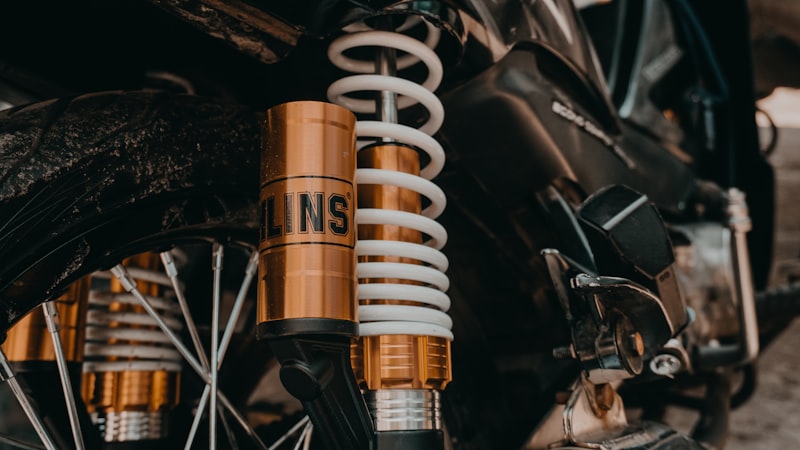
Corner balancing is just one step in optimizing traction and suspension. It works hand-in-hand with other suspension tuning choices. For the best traction during launches and high-speed events, remember these points:
For drag racers and autocross drivers, performing a corner balance after each major suspension change is key. In addition, always corner balance again if you shift weight (such as moving the battery, installing a roll cage, or adding heavy parts).
Tire choices, tire pressures, and even fuel load can all impact balance. Therefore, check everything before finalizing your numbers. Serious competitors repeat the process often, especially before big events.
Conclusion
Corner balancing is a must-have process for anyone serious about traction, suspension setup, and launch consistency. By understanding what is corner balancing in suspension tuning and using this approach, you gain more grip and predictable car behavior.
The benefits reach beyond the racetrack. Streetcars, drag racers, and even daily drivers notice that better balance leads to more confident launches and turns. The process is rooted in science and backed by real-world results, as shown by racers and pros alike.
If you want your car to launch harder, corner better, and deliver consistent results, make corner balancing a part of your setup routine. Consult an experienced shop or learn to do it at home. Your tires—and your lap times—will thank you.
Leave a Reply