

Knowing how to follow drag racing safety rules is key to every racer’s success and well-being in 2026. Whether you’re new to the sport or a seasoned driver, rules keep everyone safe and ensure fair racing.
Drag racing may look simple, but every race depends on strict track rules. For example, you must use the right safety gear, understand staging lights, and follow flag signals. Each step is vital for keeping racers, crew, and fans safe.
Safety rules change over time and new equipment standards appear almost every year. Because of this, you must stay up to date with the latest requirements before you reach the starting line.
This article covers the practical steps on how to follow drag racing safety rules in 2026. We review essential rules, staging procedures, flag meanings, light signals, and all required safety equipment. You will also find links to official bodies like the National Hot Rod Association (NHRA) and FIA Drag Racing. These groups lead the way on safety rules adopted by tracks worldwide. Veja tambem: Drag Racing Safety Gear Checklist: Essential Track Rules in 2026.
Read on to learn what you need to do before you line up at the tree, what to look for, and how to protect yourself and others.
Understanding Drag Racing’s Critical Safety Rules and Track Procedures
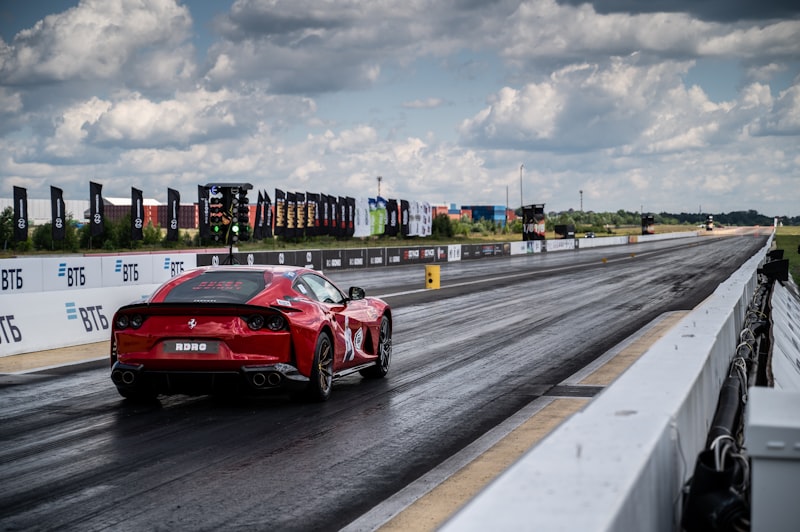
Learning how to follow drag racing safety rules starts even before your car touches the track. These rules, required by all reputable tracks, are built on decades of experience. In 2026, tracks have added new standards, making preparation more important than ever.
First, always check the event’s official rulebook. For example, NHRA and IHRA events have detailed digital guides available to all racers. These outline driver behaviors, required equipment, and the exact process from pit to finish line. Not following these can lead to fines or event bans, and most important, accidents.
On arrival at most drag strips, your car goes through tech inspection. This step confirms your vehicle matches class rules and all safety systems work. Inspectors check belts, fire extinguishers, helmets, battery cut-offs, and even your suit. For street-legal classes, stock safety features must be in perfect order.
After passing tech, staging procedures begin. This is more than lining up on the start line. Staging includes exact positions called “pre-stage” and “stage,” controlled by a set of starting lights or “Christmas tree.” Entering too early or ignoring the starter leads to disqualification. Most tracks now require drivers to attend a short safety briefing before the first run of the day.
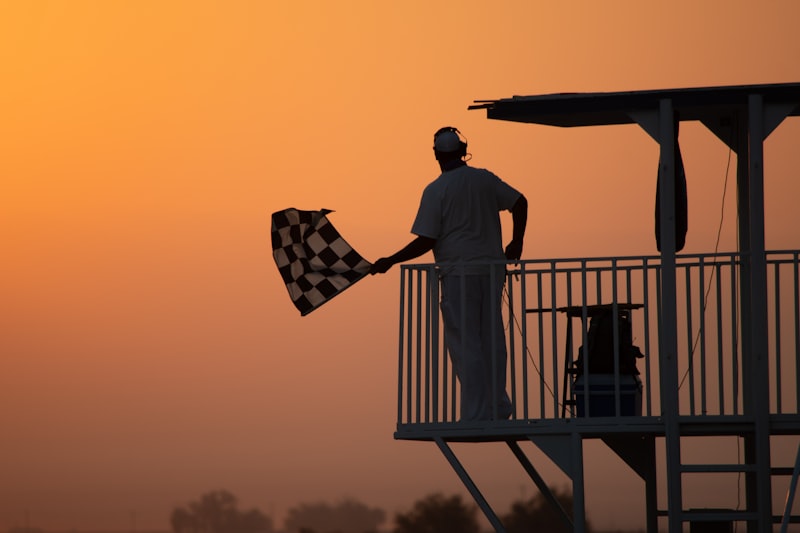
Flag signals play a key role in emergencies or if the starting lights fail. A green flag means start, while a red flag or waving arms from a marshal mean you must stop at once. Review your track’s local flag chart, as rules can differ, especially at large events.
Finally, pit procedures are tightly regulated. Speed limits (most often 10-15 mph), no tire warming outside of burnout boxes, and safety zones for both crew and drivers. For example, in 2026, electronic pit tracking systems are now in use at many NHRA events to monitor behavior.
Racers who make a habit of checking and following safety procedures find fewer delays and avoid risk of injury or penalty. In fact, according to FIA, events with full compliance see 60% fewer incidents each year.
The Importance of Practicing Rule Compliance
Many newcomers think reading the rules is enough. However, to truly learn how to follow drag racing safety rules, you must practice them. Teams often run “mock staging” in their garages before going to the track. This helps both drivers and crew move quickly and safely during real races.
In summary, understanding and sticking to official track procedures isn’t just about passing inspection. It’s about building habits that keep everyone safe, racing fair, and events fun for all involved.
Staging Procedures, Flags, and Lights: What Every Racer Needs to Know
Knowing how to follow drag racing safety rules includes mastering the starting line. The staging area is where races are won or lost before they even start. This section breaks down how to prepare, what each light and flag means, and the right actions to take.
Each drag strip uses a “Christmas tree” light system. The critical zones are “pre-stage” and “stage.” When you enter pre-stage, the top bulbs light up. Move forward a few inches, and the “stage” lights turn on. In fact, it is vital not to “deep stage” unless your class allows it. An early start (jumping the green) triggers a red light, which means instant disqualification.
Flags still play a big role, especially in non-electronic events or emergency situations. For example:
- Green Flag: All clear, start your run.
- Red Flag: Stop at once. Usually signals an accident or other hazard.
- Yellow Flag: Be ready for a possible stop. This often means a vehicle or debris on track.
- Proper seat belt harness (updated per manufacturer or after 2 years);
- Fire extinguisher within reach;
- Functional battery cut-off switch marked on the rear of the car;
- Roll bar or cage for fast cars (NHRA requires bars at 10.0 seconds or quicker);
- Securely mounted seats and windows (window net required for many classes);
- No leaks from fuel or coolant;
- Transmission shields for powerful cars.
In addition, hand signals from officials are common during breakdowns, restarts, or if radio systems fail.
Besides lights and flags, listen to the starter and pay attention to the pit marshal’s instructions. In 2026, many tracks have started using audio alerts or smart helmet notifications to further boost safety, especially for first-time racers.
Real-world data shows that 90% of track delays come from misunderstandings at the starting line. For example, staging too deep or not seeing a waved yellow flag can stop a whole event. Knowing the system and responding fast helps keep races on schedule and boosts your reputation as a reliable driver.
Drag racing has become safer by focusing on education. NHRA and regional tracks now provide short training videos or in-person briefs before events. As a result, racers know what to expect and act swiftly when they see a signal.
For official flag and light symbols, see the NHRA Safety Rules PDF.
Essential Drag Racing Safety Equipment: Protecting Yourself and Your Car
Modern drag racing depends on high-quality equipment to keep drivers safe if things go wrong. It is the driver’s duty to check and use all required safety gear before each run. In 2026, requirements have become even stricter in nearly every racing class, from street-legal to pro.
First, every driver must wear an approved helmet. As of 2026, the most common standard is Snell SA2025 or higher. Full-face helmets are now required for cars running faster than 10.0 seconds in the quarter mile. Face shields and fireproof balaclavas are also needed in many top classes.
In addition, you need a fire-resistant racing suit that meets SFI 3.2A/5 or FIA 8856-2018 standards. Single-layer suits are only allowed for cars slower than 11.5 seconds (1/4 mile). Gloves, racing shoes, and neck collars are also mandatory for faster classes. For junior and youth racers, smaller suits and specifically rated helmets are available.
Your car’s safety should never be overlooked. The most basic requirements include:
In fact, many events require pre-printed tech checklists that you and the inspectors must sign before racing. Some tracks use digital check-in to verify safety features are up to date.
After any crash, you must replace key safety items (belts, helmet, suit) even if they look undamaged. Every year, racers are disqualified at major tracks for using expired helmets or suits. Not only does this put you at risk, but it also slows down events and can cause bans from future races.
Based on FIA and NHRA data, use of approved safety gear has driven down severe drag racing injuries by nearly 70% since 2015. This makes strict equipment checks a top priority for all racers in 2026.
How Drivers, Crew, and Track Officials Work Together to Keep Racing Safe
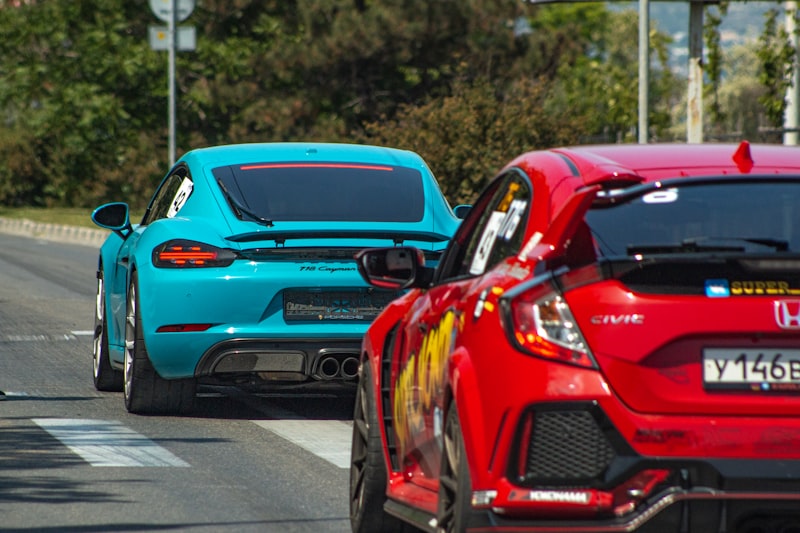
Knowing how to follow drag racing safety rules is not just the driver’s job. A safe event depends on strong teamwork among drivers, crew, and officials. In fact, accidents are most often caused by missed steps or poor communication across teams.
First, pit crews must know and practice their own safety steps. For example, crew members should always wear closed shoes, fireproof gloves when handling fuel, and never stand in the burnout box during runs. Each team should assign a crew chief who double-checks belts, fluids, and battery systems before each race.
Officials play a vital role as well. Track marshals run regular safety demonstrations and spot checks. In 2026, technology like wristband trackers and smart pit cameras have made it easier for them to catch safety lapses early. Starter officials watch for bad staging, unsafe burnout procedures, or illegal pit maneuvers, and can halt the race at any sign of risk.
Drivers need to build habits of open communication with their crew and marshals. If you see a potential risk, report it before lining up. In addition, respect the chain of command: never argue with a starter or race marshal; follow their instructions as given.
Good teams meet before race day to discuss plans, review the rulebook, and study the track layout. This “safety huddle” is proven to lower incident rates by reminding everyone of their duties. As a result, well-prepared teams finish more races and enjoy better reputations at the track.
It’s also good practice for racers and crew to stay at each other’s side when moving in the pits. If you spot someone breaking a rule or ignoring a safety order, call it out professionally. Safety is a shared goal, not an individual one.
Finally, keep up to date. Safety standards change as technology advances and risks are better understood. Therefore, follow updates from sources like the FIA Drag Racing Safety page.
Advanced Track Technology and New Safety Innovations in 2026
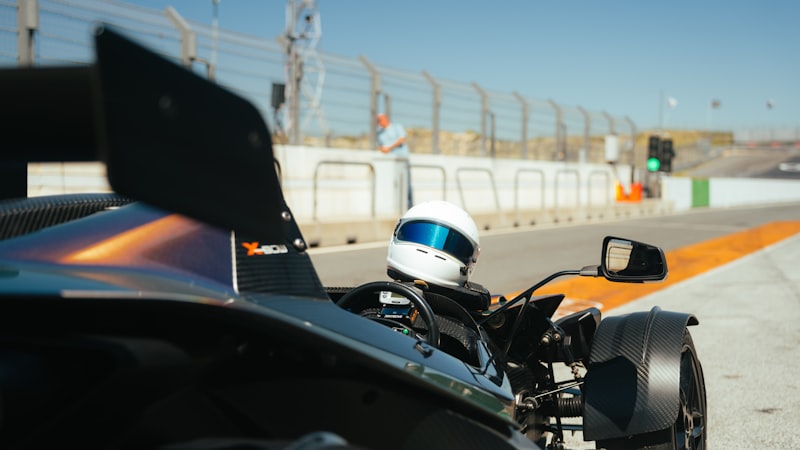
Drag racing safety has advanced fast in recent years. In 2026, tracks use systems never seen before. Many venues have digital starter lights, smart helmet sensors, and audio warnings. These features help drivers respond in real-time, especially in emergencies.
Digital tech check-in is now widely used. Racers upload their helmet and suit standards before showing up. This speeds up inspections and reduces errors or missed paperwork. Many organizers use smartphone apps to alert racers about rules, race times, or changes caused by weather.
Another big change is AI-powered surveillance. Track cameras watch the staging and pit lanes live. AI systems spot unsafe moves, brake failures, or illegal driving lines—alerting officials instantly. This helps stop problems before they cause harm.
Helmet and harness makers now design products with wireless sensors. For example, a helmet may alert you if it comes loose or a harness is not tight enough. In addition, fire systems can now trigger based on heat sensors—not just by driver command.
Track crews use drones with thermal imaging to check for hot spots on the surface. A sudden spike can warn of fluid leaks or mechanical trouble before the next run. Because of this, events have seen fewer blown engines or accidents.
Training tools have also improved. Aspiring drivers practice with virtual reality drag racing simulators. These prepare them for flag and light sequences and let them test emergency stops without risk.
Finally, every track must follow new data privacy laws when using these technologies. Organizers must inform racers and crew how their safety data is used and stored. As a result, everyone can enjoy safer racing with trust in the systems that protect them.
Conclusion
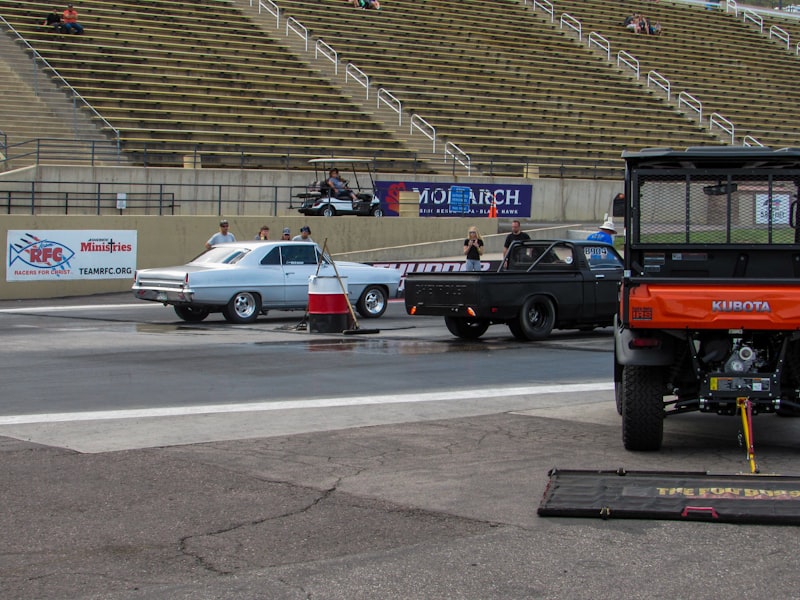
Drag racing is safer in 2026 thanks to strict rules and new technology. However, the most important step is still knowing how to follow drag racing safety rules, from the pit to the finish line. Always prepare for inspection, master the lights and flag signals, and use the right gear every run.
Work closely with your crew and listen to the officials. Stay up to date with the latest safety guidelines from respected organizations like NHRA and FIA. By developing good safety habits and using new technology, you help make drag racing fair, thrilling, and safe for everyone.
Ready to race safely? Start by reviewing your track’s official rulebook and checking your equipment today. Your safety—and the future of drag racing—depends on your commitment.
For more guides on drag racing safety and track rules, visit the main Rules & Safety category at ecredexa.com.
Leave a Reply