


Are you searching for essential tips for novice drag racers before your first event? You are not alone. Every year, thousands take their first run down the drag strip looking for speed, fun, and the thrill of competition.
This beginner-friendly guide will walk you through what to expect, how to prepare, and what mistakes to avoid. You will learn step-by-step how to enter, race, and improve, ensuring your early experiences are safe and enjoyable.
Drag racing can seem confusing at first, but with the right preparation and mindset, anyone can have fun and progress quickly. Whether you drive a daily car or a dedicated racer, these tips will help you make the most of your first outings.
Essential Tips for Novice Drag Racers: Preparation Starts Before Race Day

Getting ready for your first drag racing night takes more than just showing up at the track. You need to understand the rules, the track’s requirements, and your own car’s basics. In fact, most issues on race day start with poor preparation at home. Veja tambem: How to Prepare Your Car for First Drag Race: The Complete Beginner Guide.
First, check your local track’s website for specific rules and required safety gear. Many tracks in 2026 require drivers to wear a helmet certified to Snell SA2020 standards, regardless of vehicle speed. You should also have long pants, closed shoes, and a shirt with sleeves.
In addition, check if the track requires you to remove loose items from your car. This means emptying your trunk, glove box, and under the seats. Even a stray water bottle can roll under your pedals, causing safety problems.
Before you leave home, check your tire pressure and fluid levels. Proper tire pressure improves traction, and topped-off fluids ensure you avoid coolant or oil leaks on the track. For most stock street cars, front tires should be near normal pressure (32-35 psi), but rear tires can be dropped slightly (2-4 psi lower) to help with grip.
Get to know your car’s mechanical state. For example, if your brake pads are worn or your battery is old, replace them before your first race. Tracks often check cars visually, but you are responsible for your safety.
In summary, careful preparation at home prevents most race-day headaches. You will feel more confident and get through tech inspection faster.
Documents and Entry Fees: What to Bring
Bringing required paperwork saves time. You will typically need your driver’s license, proof of car insurance, and entry fee. Fees for test-and-tune nights in 2026 range from $20 to $50, depending on location and event size. Contact the track or check their site for current pricing.
For quick reference, the National Hot Rod Association offers a clear overview of drag racing basics and requirements for beginners.
Learning the Track: Understanding Procedures and Safety
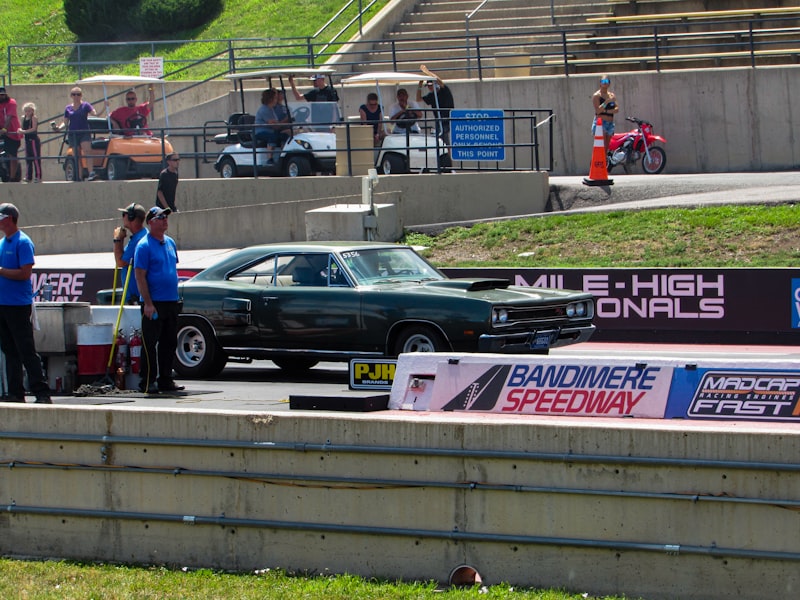
Once you arrive, your first task is to understand the flow of the evening. Most entry-level drag racing falls into “test-and-tune” events. These allow anyone with a safe car to take it down the track, regardless of speed or experience.
Your first stop is tech inspection. A staff member will check your car’s safety: brakes, seatbelts, tires, wheel lug nuts, battery security, and that there are no leaks. If your car fails, most small fixes can be handled on-site. Therefore, bringing some basic tools (socket set, tire gauge, flashlight) is wise. In addition, always listen to staff instructions.
Next, walk the pit area. Look for the staging lanes: this is where cars line up to race. Most tracks display clear signs. If you are unsure, staff or veteran racers will help you find the right line.
On your first run, nerves are normal. Watch others from the bleachers or staging lanes to see how they launch and finish. Every track has a “Christmas Tree,” a vertical set of lights that signals when you can start. The sequence goes: pre-stage, stage, then three amber lights countdown before the green light.
For your very first pass, focus on smooth, controlled driving. Many rookies try to launch as hard as possible and spin the tires. Instead, gently press the gas, launch smoothly, and shift at reasonable RPMs.
After the finish line, lift off the gas and brake in a straight line. Tracks often have a long shutdown area before a return road. Never turn or exit until you have slowed to a safe speed and checked for other cars.
In summary, understanding track flow and safety lets you feel calm and focused. You help yourself—and others—stay safe.
Common Pitfalls to Avoid
Many new racers forget key procedures. For example, burning out past the start line, starting before the green light (red-light foul), or stopping in the middle of the staging area. Always listen to staff, ask questions, and watch other racers to avoid these mistakes.
Consistent Driving: Building Skills and Understanding Timing Slips
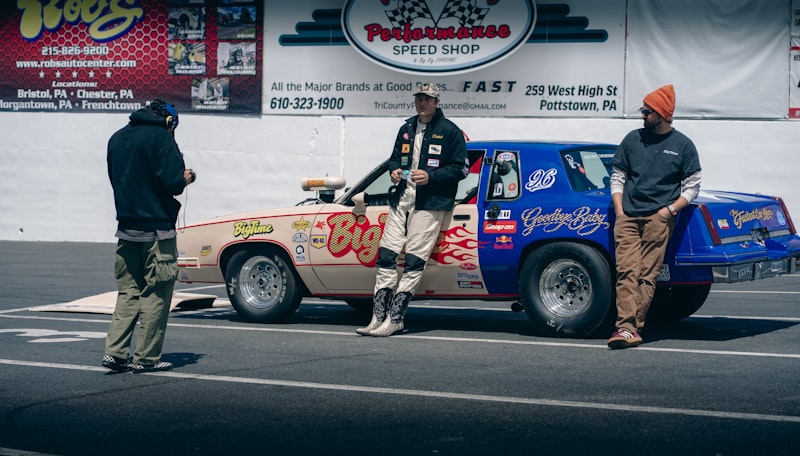
After your first pass, you will receive a timing slip. This piece of paper is your road map to improvement. It shows reaction time, elapsed time (ET), and trap speed. For beginners, focus on improving your consistency.
Reaction time measures how quickly you leave the starting line after the green light. However, it does not affect your elapsed time unless you are racing heads-up. A good reaction time for novice drag racers is between 0.250 and 0.500 seconds. If you leave before the green, that’s a red-light foul—a common rookie mistake.
Elapsed time, or ET, is how long it takes your car to travel from the start to finish. For example, a stock V6 sedan may run a 15.5-second quarter mile at 92 mph. A small improvement in your consistent launch, shift timing, and traction can easily lower this time.
In addition, note the difference between trap speed and ET. Trap speed is a measure of mid-track power, while ET is mostly affected by traction and launch. Focus on repeatable launches, as this approach is key for building skills.
Many drivers try different launch RPMs, shift points, and tire pressures during test-and-tune events. Keep a notebook to record your settings for each pass. For example, you might write, “launch at 1800 RPM, shift at 6000 RPM: ET 15.5s, RT 0.430s.” After a few runs, you will see patterns and know what works best for your car.
Tracking your progress helps you build confidence and detect any mechanical problems. If your ET varies a lot, check for issues like worn tires or slipping clutches.
Practice, Patience, and Respect Matter
Consistent practice is more important than raw speed. In fact, many experienced racers value drivers who make smooth, repeatable passes over those chasing the lowest number. Always put respect and safety first, both for your car and others at the track.
Equipment Upgrades: Spend Wisely and Safely as a Beginner
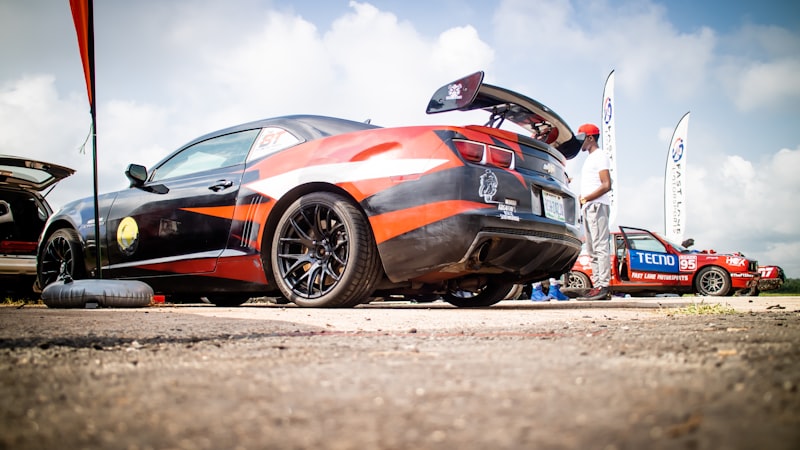
As you get comfortable, you might think about upgrading your car. However, beginners should focus first on safety and reliability rather than expensive performance parts.
First, invest in a good helmet that meets or exceeds Snell SA2020 ratings. Some tracks offer loaner helmets, but having your own is more comfortable and sanitary. In addition, replace old seat belts with new ones if yours are over 10 years old.
Tires are another smart upgrade. For most beginners, stick with your street tires until you can launch consistently without spinning. Once you consistently outgrow your tire, consider a set of street-legal drag radials. These offer more grip but can behave differently on the street.
Suspension and brake upgrades help keep you safe as your speeds increase. Upgrade brake pads to a proven street/track compound. Similarly, make sure your shocks, struts, and bushings are in good shape.
Avoid adding nitrous oxide systems or forced induction as a beginner. These require careful tuning and can cause expensive damage if not set up properly. As a rule, learn your car’s limits before adding power. For more advice on beginner drag racing upgrades, Grassroots Motorsports provides a helpful checklist.
Also, consider a tire pressure gauge, an air pump, and basic tools. These let you make small adjustments and handle issues at the track.
Budgeting for Your First Season
It is easy to overspend on flashy parts and cosmetics. Instead, put your money toward safety equipment and maintenance, as this approach pays off on race day. For a season of weekend racing, expect basic recurring costs: entry fees ($25 average), gas money, occasional tire replacement, and minor vehicle maintenance.
Conclusion
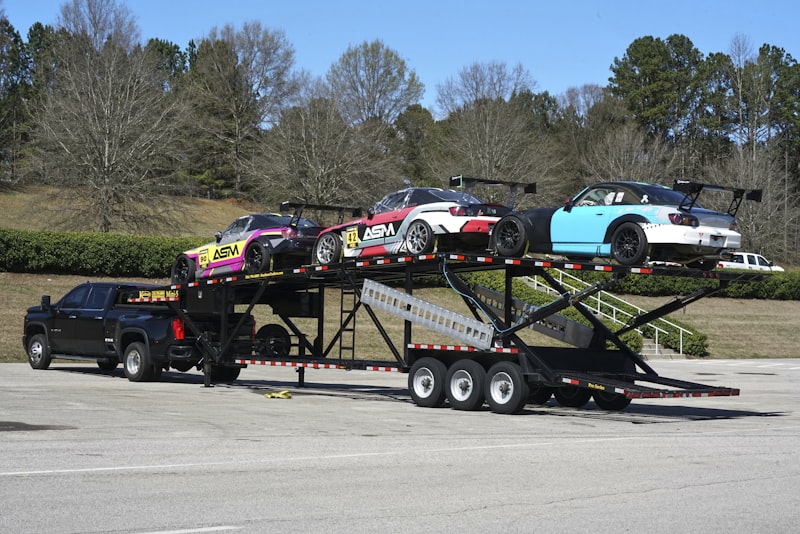
Drag racing as a first-timer can feel intense, but it is also welcoming and fun. The essential tips for novice drag racers are simple: prepare carefully, respect safety rules, drive consistently, and focus on becoming a better driver rather than the fastest one right away.
Start slow, ask for help, and keep learning. Beginner events, like test-and-tune nights, offer a low-stress path into the world of drag racing. Track your progress, keep your car in top shape, and build strong habits from the start.
Ready to begin? Check your local track’s schedule, review safety requirements, and bring your best attitude. If you stick with it, you will find drag racing to be an addictive and rewarding hobby for years to come.
Leave a Reply