

Selecting the top suspension setups for drag racing competitions is a critical part of building a successful full-race car. The right suspension decisions can make or break your passes, and serious racers know that tiny details lead to big wins.
In competition builds, advanced suspension systems ensure maximum grip and control. In addition, they help launch the vehicle hard, keep the chassis stable, and deliver repeatable performance round after round.
Building a dedicated chassis for drag racing goes far beyond bolt-on upgrades. Top setups blend proven geometry, premium components, precise tuning, and driver feedback. This article explores the best suspension choices for competitors, with examples and the latest data for 2026.
Top Suspension Setups for Drag Racing Competitions: Core Principles and Modern Choices
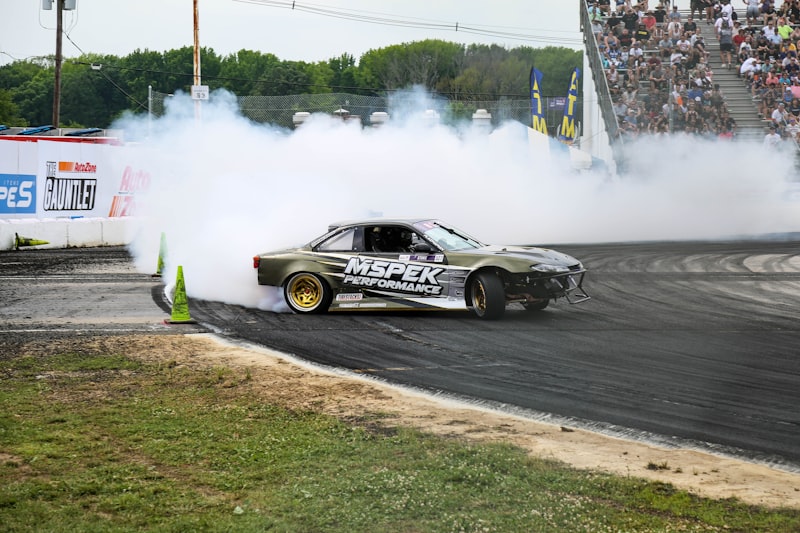
Understanding the basics of suspension for competition drag cars is essential. This knowledge helps teams get the most from their vehicles. In fact, competition builds differ from street cars in every way. The suspension takes center stage, as power is useless without control. Veja tambem: Best Tire Choices for Competition Drag Car Builds: A Comprehensive Guide.
Key Suspension Challenges in Drag Racing Competitions
First, let’s cover what drag cars really need from a suspension. The main job is to help the tires grip on launch, soaking up the massive torque while keeping the chassis straight. Because of this, racers use setups that can transfer weight quickly to the rear wheels. This increases rear tire pressure and helps prevent wheel spin. Veja tambem: How to Pass Tech Inspection for Drag Car Competitions: Complete 2026 Guide.
For example, a common mistake in entry-level builds is using stiff springs and shocks all around. This practice keeps the chassis level but reduces the weight transfer that drag racing demands. As a result, launches become unpredictable, and traction drops.
In modern 2026 setups, competition teams often choose adjustable coilover systems. These provide easy tuning between rounds. Popular coilover brands include Strange Engineering, QA1, and AFCO Racing. They let you fine-tune rebound and compression, which can greatly improve 60-foot times.
Solid Axle vs. Independent Rear Suspension (IRS)
Most dedicated drag cars still use a solid rear axle. This is true for both Pro Mod and Factory Stock cars. Solid axles handle high power, offer consistent geometry, and reduce unwanted movement. However, IRS has started making its way into some classes, especially those using late-model muscle cars like the 2026 Chevrolet Camaro ZL1 or Ford Mustang Shelby GT500.
Solid rear axles win with simplicity and strength. For example, top NHRA Pro Stock cars run 4-link solid axle systems with precise bar settings and high-end double-adjustable shocks.
In summary, the right system depends on class rules, chassis layout, and power level. For most full competition builds, a well-built solid axle remains the benchmark.
Four-Link and Ladder Bar Systems: Proven Drag Racing Designs
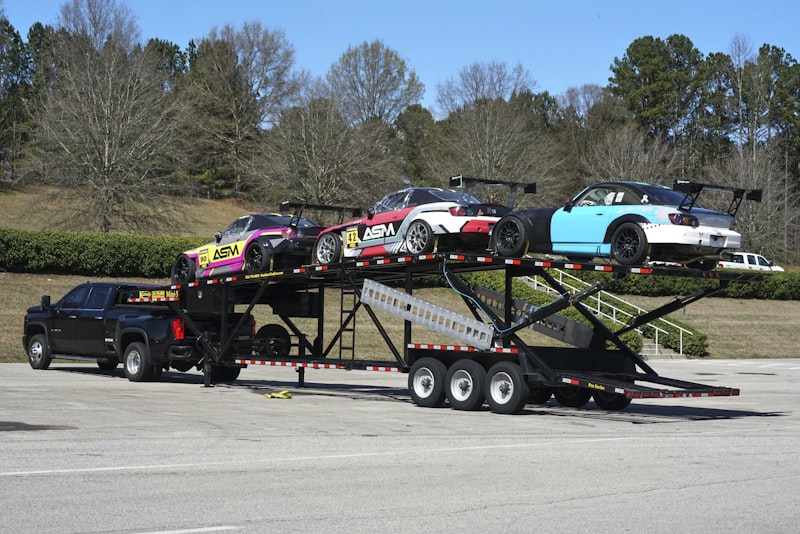
The four-link and ladder bar suspensions are the backbone of many top-drag racing competition builds. Both have proven their worth from NHRA Super Stock to Outlaw radial classes.
Four-Link Suspension: The Standard for Maximum Adjustability
A four-link suspension offers more tuning options than any other layout. The bars attach to the chassis at four points and to the axle at another four points. Changing these mounting points lets teams control instant center, anti-squat, and pinion angle. Because of this, racers can adjust for track conditions, weather, or even tire wear between rounds.
For example, at the 2026 NHRA U.S. Nationals, over 70% of heads-up class cars ran custom four-link setups. Tuning instant center positions can move a car from tire-shaking launches to straight and stable acceleration with small incremental changes.
High-end manufacturers like Mark Williams Enterprises and Chris Alston’s Chassisworks supply modular four-link kits. In addition, they include billet brackets and chromoly bars for strength and repeatability.
Ladder Bar Suspension: Simpler, But Effective
Ladder bars use one bar per side, attaching near the center of the chassis and axle. These setups are popular in sportsman and bracket racing classes. They are less adjustable than four-link systems but cost less and work well for cars up to about 1,000 horsepower.
Bracket racers in 2026 often run ladder bars with single- or double-adjustable coilovers from AFCO or Strange. The ladder bar’s fixed geometry simplifies launches, but the limited tuning means adapting to changing tracks is harder than with four-links.
In other words, new racers or teams on a budget often choose ladder bars for high consistency and lower cost. However, advancing into heads-up Pro classes usually demands a switch to a custom four-link.
Front Suspension Options for Drag Racing Chassis
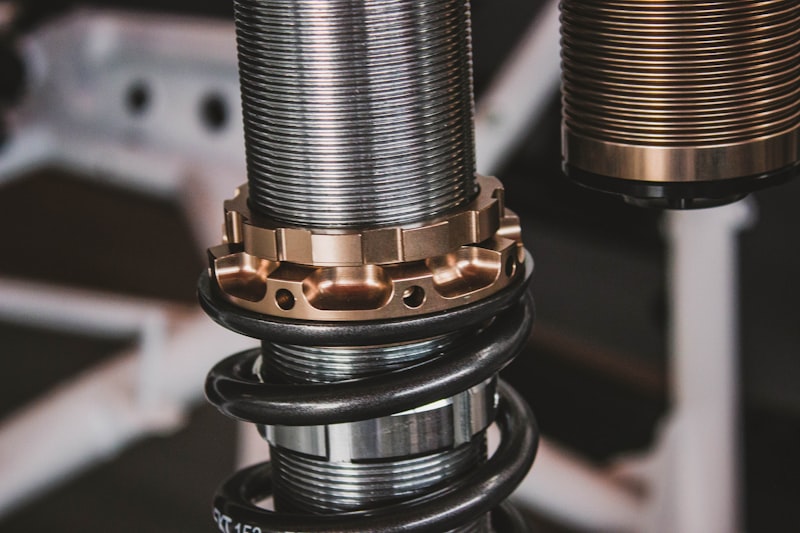
While rear suspension gets the most attention, front setups play a major role in full-competition race cars. The front suspension must allow maximum weight transfer without upsetting steering or stability. Because of this, serious builds carefully pick geometry and components.
MacPherson Strut vs. Double A-Arm (Double Wishbone)
There are two dominant front designs in competition drag cars: MacPherson strut and double A-arm. MacPherson struts are common on late-model muscle cars and street builds. They offer low weight and a simple design. However, they are not as adjustable as double wishbone setups.
Double A-arm suspensions, on the other hand, offer greater flexibility. Teams can tune camber, caster, and bump steer. Many tube chassis cars in Pro Mod, Pro Street, and Outlaw classes run double A-arm fronts for this reason.
In 2026, new kits from companies like Racecraft Inc and Team Z Motorsports set the bar for A-arm geometry. For example, a double A-arm with 90/10 front struts and light coil springs can help lift the front quickly on launch. This helps weight transfer, boosting rear grip right when it’s needed most.
Front Shock and Spring Tuning
Front suspension tuning is another essential detail. Drag-specific 90/10 or 80/20 front shocks allow easy upward movement but slow rebound. This holds the nose up after launch, keeping weight on the rear tires as long as possible.
In addition, light-rate front springs (sometimes as low as 125 lbs/in) encourage chassis rise and better launches. However, teams must avoid excessive front lift. Too much can hurt aerodynamics or make steering unpredictable at high speed.
Adjustable shocks from AFCO, Strange, or Viking Performance are favorites for tuning front suspension in competition-level drag cars.
Anti-Roll Bars, Traction Devices, and Advanced Suspension Technologies
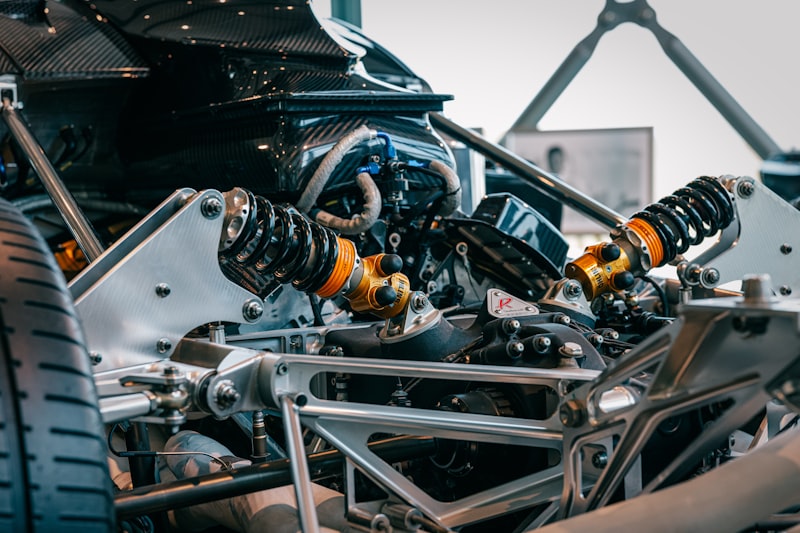
Modern drag racing in 2026 relies not just on classic setups, but also on advanced add-ons. Anti-roll bars and electronic traction aids are crucial in fast classes. These tools help prevent body roll, balance launches, and ensure that both tires plant evenly off the line.
Anti-Roll Bars: Keeping the Chassis Square
Anti-roll bars, or sway bars, keep the car level on launch, preventing one tire from unloading. A thick, adjustable anti-roll bar in the rear suspension is standard on all serious builds. For example, Pro Modified, Top Sportsman, and small-tire Outlaw cars all run large anti-roll bars.
Teams adjust the bar’s stiffness for each track or weather condition. Too soft, and the car leans; too stiff, and hooks may suffer. The right adjustment helps keep 60-foot times consistent within 0.02 seconds, round after round.
Brands like Menscer Motorsports and Team Z supply top-level anti-roll kits designed for custom 4-link or ladder bar setups.
Electronic Traction Management
As horsepower figures climb, advanced traction aids have become common. Electronic traction control systems from brands like Davis Technologies use sensors to monitor and adjust spark, ignition, and fuel delivery the instant tire slip is detected. For example, championship-winning Outlaw radial racers use these units to control wheel spin on tricky tracks.
However, not all drag racing classes allow such devices. Therefore, always check the rulebook before investing in electronic systems.
Data Acquisition and Tuning
Data loggers are another 2026 tech must-have. Suspension-mounted sensors record shock travel, ride height, and G-forces at every point in the run. Teams review the data to spot chassis separation, tire shake, or inconsistencies. This approach leads to more targeted changes and improved consistency throughout competition weekends.
Trusted companies like Racepak and Holley EFI offer plug-and-play, race-ready data systems. Their tools have become standard in all high-end competition builds.
Chassis Setup, Geometry, and Tuning for Competition Success
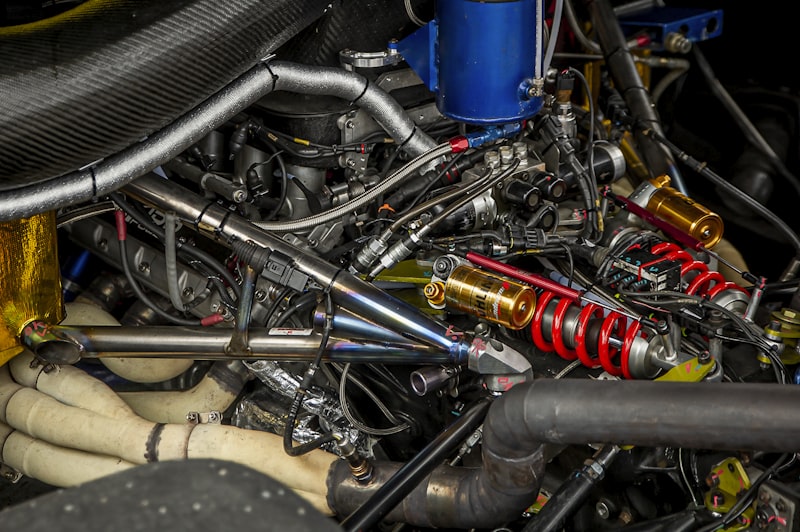
While buying quality components matters, the real difference comes from detailed setup and tuning. Getting the right geometry, alignment, and pre-load settings transforms even the best hardware into a race-winning machine.
Chassis Preload and Pinion Angle
Setting preload on suspension bars or shocks ensures equal pressure on both rear tires at launch. This prevents one wheel from lifting and losing grip. In most four-link setups, teams use turnbuckles or adjusting rods to set small amounts of preload.
Pinion angle is equally important. Incorrect angles can cause vibration, bind, or even break driveshafts during high-power launches. For example, most Pro level drag cars run 1-3 degrees of negative pinion angle to keep the u-joints happy and strengthen the launch.
Ride Height and Corner Weight
Competition builds also focus on ride height and corner weight balance. Scaling the car at race weight allows teams to target a 50/50 side-to-side balance (without driver). Adjusting coilovers or spring spacers makes small changes easy.
For example, increasing rear ride height works like a lever, encouraging even more weight transfer to the tires. However, this approach can hurt high-speed stability, so finding the right trade-off is key.
For more setup details, check industry resources like Dragzine Suspension Tech Guide and NHRA Competition Rules.
Conclusion
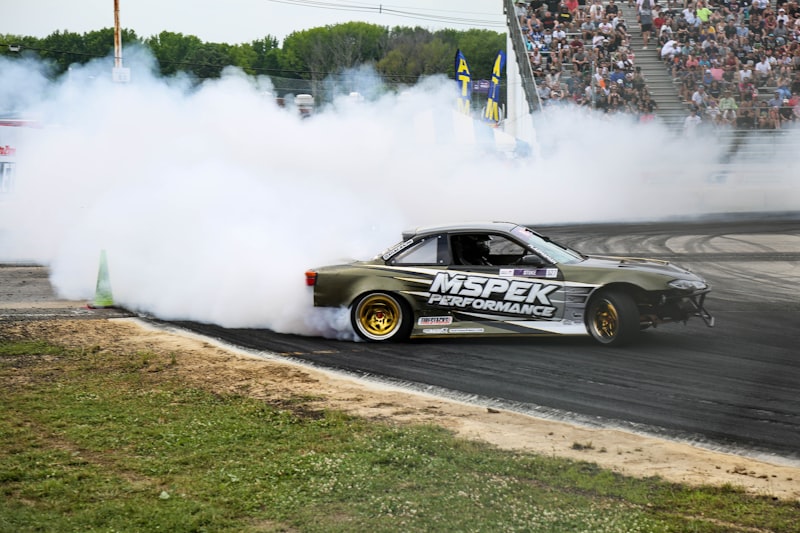
Building the best competition drag car is a science and an art. The top suspension setups for drag racing competitions mix time-tested designs like four-links and ladder bars with the latest shocks, anti-roll devices, and data acquisition tools.
Getting the details right leads to quicker launches, better consistency, and more wins. Remember, advanced tuning is just as important as the hardware itself. Because of this, racers should invest time into setup, data review, and learning from each round.
If you’re planning your own full competition build, start with strong basics. Choose components designed for your power level and racing class. Test often, tune carefully, and check results using real data, not guesses. For more tips and news on competition builds, follow ecredexa.com—the expert resource for serious race car builders in 2026.
Leave a Reply