

If you want to know what to expect at Brazilian track events, you are not alone. Many racing fans are curious about Brazil’s unique drag strips and the lively local scenes that make these events so popular. In this guide, you will learn how these tracks work, what crowds and racers do, and what makes these gatherings so special.
Brazil’s drag racing culture continues to grow in 2026. Local tracks across the country now host thousands of fans at each event. The experience combines speed, skill, and community spirit. Whether you are planning your first visit or want to learn more about this world, this article will help you feel prepared.
From safety rules to the sounds of powerful engines, discover what makes Brazilian drag events a highlight for many motorsport fans. We will look at the main features of these tracks, explore the role of local culture, and share practical tips for anyone interested in Brazilian racing. Veja tambem: How Brazilian Tracks Are Designed for Safety: Principles, Features, and Local Practice.
What to Expect at Brazilian Track Events: Atmosphere and Unique Features
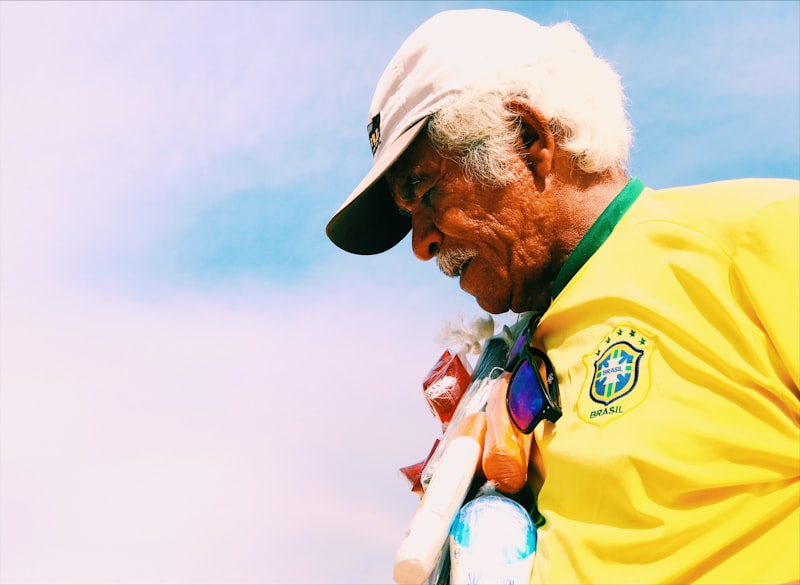
If you attend a Brazilian track event for the first time, the energy may surprise you. The atmosphere is much more vibrant than many international drag racing scenes. Local tracks, like Interlagos in São Paulo or Velopark in Rio Grande do Sul, create a blend of excitement, community, and action.
One feature you will notice right away is the crowd. Fans of all ages attend these events, from children to seniors. Many families bring chairs, picnic items, and even tents. Some groups stay the whole day to watch practice runs, qualifying heats, and main races. Because of this, you will often find food stalls, local vendors, and live music—adding to the festive feel.
On the track, Brazilian drag racing follows strict safety rules. However, the vibe stays relaxed off the course. Fans and racers chat in open paddocks. You can see cars up close, talk with drivers, and even take photos with some race teams. This makes fans feel part of the event, not just spectators.
In addition, many events highlight regional car styles. For example, in the Northeast, you might spot Chevettes modified for drag racing, while in São Paulo, imported models like Dodge Chargers or Nissan GTRs are crowd favorites. Because of these choices, each region’s race feels different.
Moreover, the soundscape is distinct. Engines roar, tires screech, and crowds cheer. In fact, you may need ear protection if you get close to starting lines. The air smells of fuel and burnt rubber, giving a full sensory experience.
The local scene is about more than speed. Social media groups and car clubs arrange meetups. Admission prices are usually low, often averaging R$30 to R$50 (about USD $6 to $10 as of 2026), so access is easy for many people. For big events, tickets may cost more but still stay affordable compared to international standards.
To sum up, expect a welcoming crowd, unique cars, local food, and direct access to drivers and teams. This combination makes Brazilian tracks stand out in the world of motorsports.
Local Track Profiles: Where the Scene Comes Alive
Several key tracks define the Brazilian scene. Interlagos, while best known for Formula 1, hosts major drag meets. Velopark in the South is Brazil’s largest drag strip, drawing top teams from across the country. Smaller tracks, like Race Valley in São Paulo or Arena Sul Dragway in Santa Catarina, focus on grassroots racing, attracting fans of regional car builds.
Each track offers a different environment. For example, Velopark’s modern design creates faster races and better spectator experiences. In contrast, older tracks have a nostalgic charm. Because of this, trying different venues adds even more to the experience.
The Racing Action: Event Formats, Classes, and Schedules
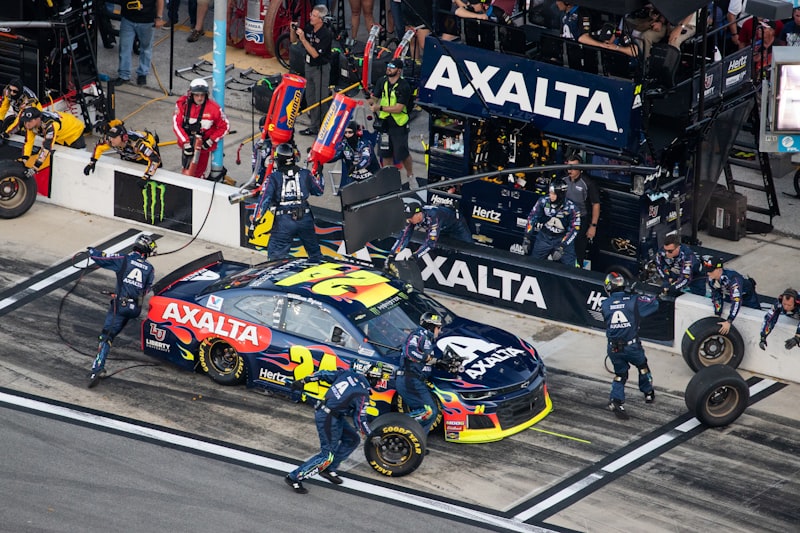
Understanding what takes place at Brazilian drag events can help manage your expectations. These races are not just about who reaches the finish line first. Brazilian drag racing uses different classes and formats, so there is something for everyone.
Most race days begin with practice runs in the morning. Drivers use this time to test cars and conditions. The actual competition starts with qualifying rounds. Here, time trials decide which cars will race in final heats. Each class pits vehicles with similar specs against each other. This keeps the races fair and exciting.
A wide range of classes is set by engine size, fuel type, and car model. For example, you might see stock cars in the “Street” class, while pro-level “Dragster” classes use purpose-built vehicles. As a result, even newcomers can enter with lightly modified street cars, while seasoned teams show off high-tech machines.
Event schedules move quickly. Announcers keep fans updated on times, matchups, and key stats. The crowd often gathers near the starting line to feel the rush of acceleration. In the stands, families and fans track their favorite racers and celebrate big wins.
In addition, major events may include “bracket” racing, popular for its balance of skill and timing. In bracket races, drivers set their target times, and the winner is the one who comes closest without going too fast. This makes the event more about precision than raw power, so anyone with practice can have a shot.
Some weekends, you may also see show runs—exhibition races with classic cars, rare imports, or local legends. These special features draw enthusiasts interested in car history and restoration.
However, the schedules can extend into the evening, especially at high-demand events. Lighting and sound systems ensure the action remains bright and loud after sunset. Fans often stay until the last race, enjoying night air and cooler temps.
For more on Brazilian drag racing’s technical foundations, refer to sites like CB Drag Racing and Velopark, which list upcoming races, rankings, and regulations.
Off-Track Culture: Community, Food, and Local Traditions

Beyond the races themselves, what stands out at Brazilian track events is the sense of community and local flavor. On race weekend, the venues transform into gathering spots for car lovers, friends, and families. This off-track culture is a key part of what draws many fans back each year.
Food plays a central role. Stalls offer regional street food such as pastel (fried pastry), pão de queijo (cheese bread), and churrasquinho (small grilled meats). Vendors sell drinks, snacks, and even homemade desserts. Because of this, race day often feels like a local fair.
Music is also a big draw. In larger events, live bands or DJs entertain the crowds between heats. This mix of sounds creates a festive mood that lasts all day. Fans often bring portable speakers, and impromptu parties may spring up in the paddock areas.
Social groups and car clubs set up “pit zones”—areas with tents, banners, and club flags. Members support their team, share tools or advice, and celebrate each run. These groups often play a role in mentoring new racers as well. For many young fans, joining a local club is the first step toward racing.
Children find plenty to do, too. Organizers usually provide playgrounds or family spaces. This focus on inclusivity makes Brazilian tracks suitable for all ages.
Another tradition is the “arrancada”—the culture of competitive acceleration. Car owners show off their builds, share stories of upgrades, and discuss performance mods. Friendly rivalries often start at these events, but the mood stays positive.
Brazilian drag events also help local economies. Food vendors, mechanics, and small businesses benefit from the surge of race day visitors. As a result, these gatherings create ties that extend beyond motorsports.
Because of these traditions, Brazilian track days feel both exciting and welcoming. Even if you are not a lifelong fan, you can feel included in the community.
Practical Tips for First-Time Visitors to Brazilian Drag Strips
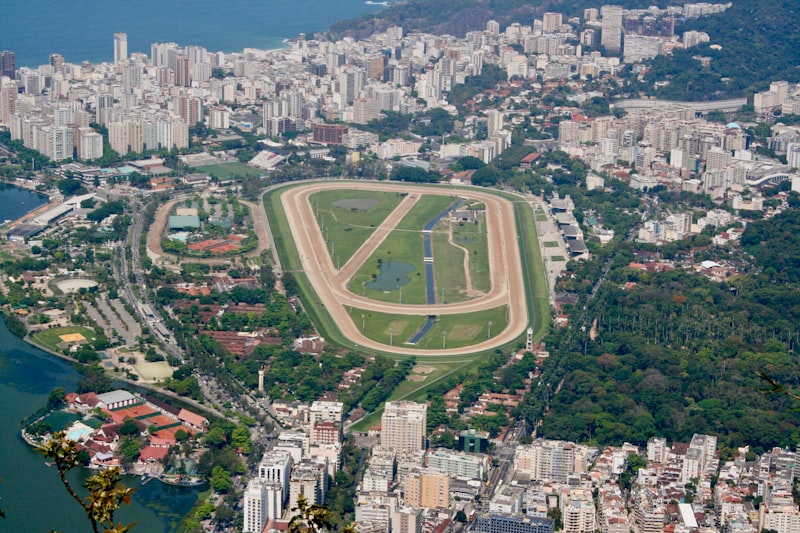
If you plan to attend your first Brazilian track event, a few tips can help you get the most from your visit. Knowing what to bring, how to navigate the venue, and what to look out for will ensure you have a safe and memorable day.
First, check event schedules online before you go. Brazilian racing is popular, so some events sell out or require advance tickets. Official social media pages and the track’s own website provide accurate dates, opening times, and ticket prices.
Arrive early if you want a good seat or spot near the action. Parking can fill up fast, especially at larger venues like Velopark. Bring cash as many vendors do not accept cards, and some tracks are outside the range of reliable cell signals.
Wear comfortable clothing and sunscreen. Tracks are wide open, and Brazil’s sun can be intense. Bring ear protection, especially for younger kids, because engine noise is loud throughout the day.
Stay hydrated. Refillable water bottles are allowed at most venues. Food and drink stalls offer many choices, but lines can be long during peak times.
If you are interested in meeting drivers, visit the paddock area between qualifying rounds. Most teams are open to talking, sharing insights about their cars, or even showing you how tuning works.
Respect safety barriers and listen to announcements. Marshals enforce strict boundaries for your protection. Getting too close to the track without permission can result in removal from the venue.
Finally, bring a camera or use your phone, but always ask before taking detailed photos of race cars or team pits. Some teams value privacy for their setups.
For deeper event information and up-to-date rules, visit reliable sources like Motorsport.com or the official site of the Confederação Brasileira de Automobilismo.
In summary, being prepared enhances your experience and keeps you safe. It also helps you connect with local culture.
Conclusion

Brazilian track events offer far more than races. When you visit, you step into a world where speed, engineering, and tradition come together. Now you know what to expect at Brazilian track events: energetic crowds, unique cars, festive food, and a tight-knit community.
If you are new to this scene, come open to learning. Join in the celebrations, talk with racers, and try the local dishes. With these tips, you will experience Brazilian tracks not just as a spectator but as part of the event. For anyone passionate about cars or community, Brazilian drag scenes deliver a signature blend of thrill and warmth that is hard to match elsewhere.
Leave a Reply