


Many car fans and racers now ask what “o que é motor 1.0 turbo” means. In English, this translates to “what is a 1.0 turbo engine.” This engine has become popular in drag racing because of its mix of small size and surprising power. Saiba mais sobre é melhor motor turbo.
A 1.0 turbo engine uses advanced tech for better power, speed, and fuel savings. In fact, many tuners choose this setup to compete in strict racing classes, all while keeping costs lower compared to bigger engines.
In this article, you’ll learn what a modern 1.0 turbo engine truly is. We’ll show its parts, how the turbo works, ways it’s tuned for drag racing, and what makes it reliable or risky. If you want practical advice or real data for your next project, keep reading.
Understanding o que é motor 1.0 turbo: What Defines a 1.0 Turbo Engine?
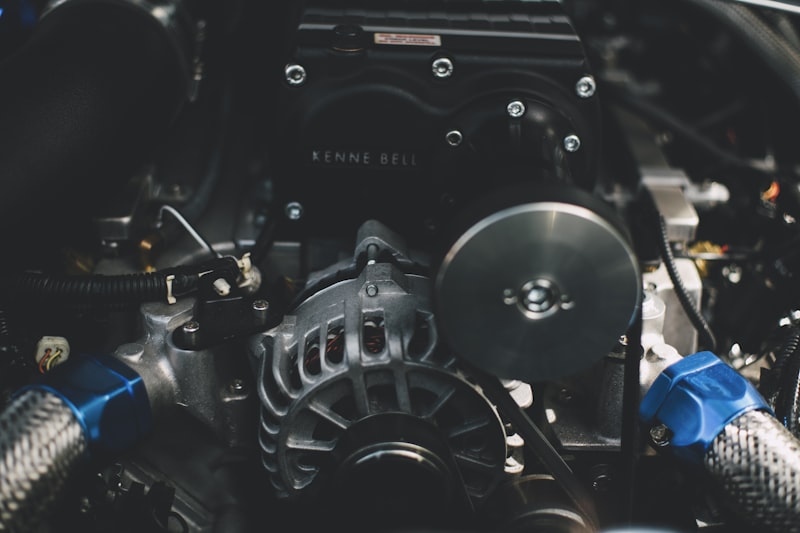
When people say “o que é motor 1.0 turbo,” they mean a gas or flex-fuel engine with a total displacement of 1.0 liter and at least one turbocharger. Displacement is the sum of all cylinder volumes, so 1.0 liter means about 999 cubic centimeters split across three or four cylinders.
Turbocharging is the key difference that sets a 1.0 turbo engine apart from a naturally aspirated one. A turbo uses exhaust gas to spin a turbine, which pushes more air into the engine. With more air, you can add more fuel—so the engine makes more power from the same small size.
For example, a stock 1.0 turbo engine in today’s cars can produce 110–130 horsepower. That’s far more than older 1.0 engines without turbos, which often made under 80 horsepower. With proper tuning and aftermarket parts, racers can see 200 horsepower or more on race fuel. This big jump is why turbocharged 1.0 engines are popular in entry-level or small-displacement drag racing classes.
In addition, smaller engines often weigh less. Because of this, cars run faster times on the strip. The weight savings also help with handling, which matters in some racing categories.
A good example is the Ford EcoBoost 1.0 turbo, which launched globally in 2012 and remains a strong choice for racing. The Chevrolet 1.0 turbo from the Onix and Tracker is another top pick in South America. Both use direct injection and modern electronics for fuel and ignition control.
These 1.0 turbos are also chosen because strict racing classes limit cylinder count or engine size. Tuners can boost these engines hard, as the bottom end is often strong enough for moderate to high boost, especially with upgrades.
So, when you hear “o que é motor 1.0 turbo,” think of a modern, small, efficient engine using a turbo to punch above its weight. This setup is highly flexible for tuning and drag racing. Saiba mais sobre é motor turbo diesel:.
Key Turbo Engine Components and How They Work Together
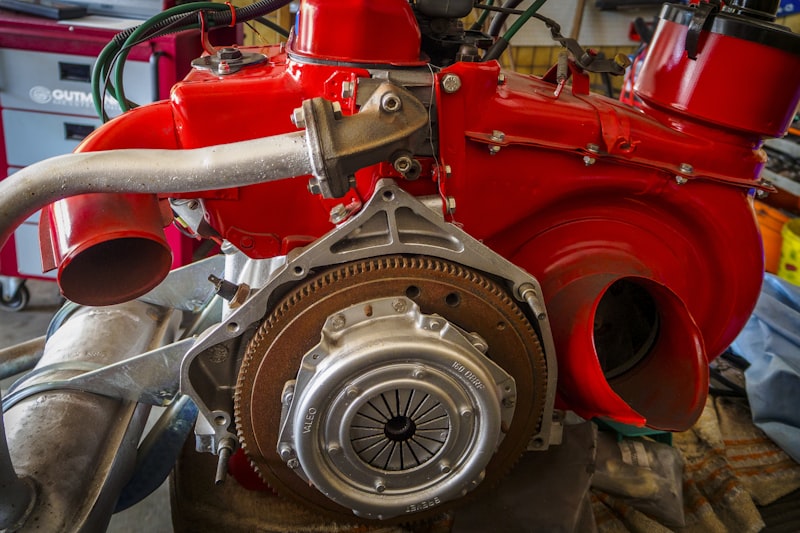
At the heart of every 1.0 turbo engine is the turbocharger. This device uses spent exhaust gases to spin a turbine. That turbine is linked to a compressor on the air intake side. More air enters the engine, and more fuel can be burned, producing more power.
Let’s look at each major part in a standard 1.0 turbo engine:
1. Turbocharger: The turbo is sized to match engine flow and rpm. Most 1.0 engines use small, quick-spooling turbos, which boost pressure at low rpm. However, in drag racing, some tuners swap to larger turbos for more top-end power.
2. Intercooler: Pressurizing air heats it up. The intercooler cools this compressed air before it enters the engine. Cooler air is denser, allowing for more oxygen and, therefore, more power.
3. Engine Internals: Pistons, rods, crankshafts, and valves must withstand greater forces from boost. Factory 1.0 turbo engines use forged or strong cast parts. For higher boost or drag racing, racers often use fully forged sets for reliability.
4. Fuel System: More air means you need more fuel. Stock fuel pumps and injectors may get maxed out, especially in tuned engines. Racers upgrade injectors, pumps, and sometimes switch to E85 or race gas for more power and safety.
5. Ignition: Turbo engines need precise spark control. Knock detection and management in modern ECUs (engine control units) are critical. In fact, a poor ignition setup will ruin an engine under boost. That’s why racers use aftermarket ECUs or piggyback systems to get better control.
For example, the popular Bosch ME17.8.8 ECU used in the Chevrolet 1.0 turbo has features for precise ignition timing and boost control. Tuning platforms often reflash these units to increase power and reliability.
In summary, each part works together to turn exhaust energy into compressed intake air, fuel it, and then spark it at the right moment for peak power.
Tuning Techniques for 1.0 Turbo Engines in Drag Racing
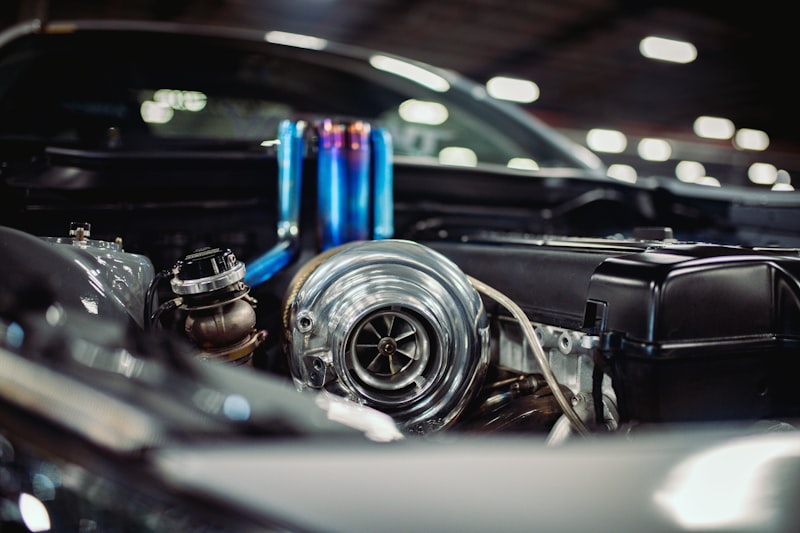
Tuning a 1.0 turbo engine for drag racing is as much art as science. The small engine size needs smart choices with boost, fueling, and parts for maximum performance per dollar.
First, tuning should start with airflow. Many stock intakes and exhausts limit power. Upgrading to a free-flowing intake and a larger-diameter exhaust helps the turbo spin up faster and with less back pressure. For some racers, a well-designed exhaust manifold makes a huge change in turbo spool and power.
The next step is boosting pressure safely above factory settings. Most original 1.0 turbos make 8–12 psi of boost. Drag builds often run 20 psi or more. However, higher boost needs strong engine internals and careful tuning to avoid damage.
Fuel is critical. Upgraded injectors and pumps often go hand-in-hand with higher boost. Switching to ethanol (like E85) allows for more power with lower heat and less detonation risk. For example, it’s common to see drag racing 1.0 turbos run big E85 injectors and flex-fuel sensors. Saiba mais sobre é Motor Turbo Flex:.
Electronic tuning is where modern 1.0 turbo engines shine. Custom ECU programs let tuners change ignition timing, boost curves, and fueling across the rpm range. With data logging, they spot knock, misfires, or lean conditions before they cause harm.
Another tip is managing boost control. Many racers fit electronic boost controllers to hold set pressures from launch to redline. This smooths power delivery and keeps runs consistent. As a result, cars see better 60-foot and quarter-mile times.
Clutch and transmission upgrades are often needed. Stock 1.0 turbo powertrains are built for daily use, not hard launches. Stronger clutches, short shifters, and close-ratio gears help take full advantage of the engine’s new power.
Practical Example: In Brazil, a popular drag class uses 1.0 turbo cars on ethanol. Tuned Onix turbos with E85, forged internals, big turbos, and aftermarket ECUs often hit 250–280 horsepower at the wheels. These cars run 12-second or faster quarter miles.
For more tuning tips and safety advice, see Motor Trend’s turbo tuning guide.
Boost Control, Reliability, and Common Pitfalls for Small Turbo Engines

With great power comes great risk—especially for small turbo engines under stress. Balancing boost and reliability in a 1.0 turbo build is key for drag racing success.
Boost Control In a 1.0 turbo engine, going too high on boost risks engine failure. Most engines can handle up to 20 psi with forged internals and good intercooling. However, cylinder pressures rise fast in small engines, so detonation is a risk. That’s why many racers install electronic boost controllers with multiple maps. This lets the driver use lower boost for testing and turn it up for final rounds.
Engine Cooling Small engines heat up quickly at high rpm. Upgraded radiators, oil coolers, and larger intercoolers keep temps in check. A hot engine loses power and risks meltdown, so temperature sensors are must-have parts for any serious racer.
Fuel System Not all fuels are equal. Modern 1.0 turbos tune well on gas, E85, or race fuel. All need clean filters, big injectors, and in some builds, a secondary fuel rail to support big power. Poor fuel supply means lean running, which leads to broken pistons or valves.
Factory Engine Limits Stock internals—like pistons and rods—are often the weak link. Stock turbo engines can often take mild boost (15 psi or so) with a good tune. But much more, and the rods start to bend, or piston rings burn. This is why forged parts are standard in high-power builds.
Turbo Lag and Drivability Large turbos push more power but lag more. Drag racers often use two-step systems or anti-lag maps to build boost at the starting line. It’s a trade-off: quick spool for the street or big power for the track.
Common Pitfalls:
- Over-boosting a stock engine
- Poor-quality tuning with too much timing advance
- Ignoring fuel upgrades
- Skipping intercooler upgrades
- Forged pistons and rods for strength
- Upgraded turbochargers with external wastegates
- Big front-mount intercoolers
- Aftermarket ECUs with boost-by-gear and two-step launch
- Flex-fuel or E85 setups for max power and cooling
- Upgraded axles and heavy-duty clutches
A detailed study by Engineering Explained shows how small turbo engines can fail without proper cooling or tuning.
Finally, reliability is about balance. Most failures happen from trying to push beyond safe limits, not from the turbo design itself. Regular maintenance, quality parts, and good monitoring help keep 1.0 turbo drag engines running strong.
Practical Applications: Drag Racing Builds and Real-World Results
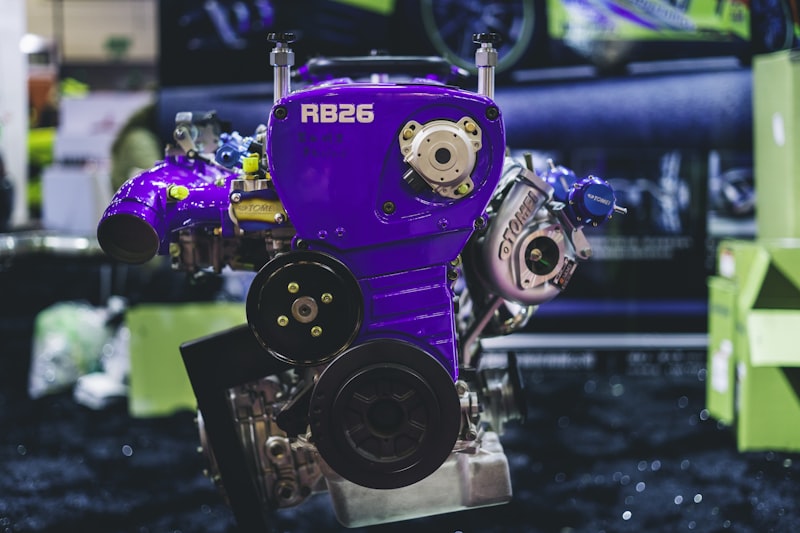
The 1.0 turbo engine is not just a tech showcase—it has proven itself in real drag racing events. Many grassroots racers use them to compete in tightly regulated classes.
For example, Brazil’s “1.0 Turbo Class” only allows engines up to 1.0 liter with forced induction. Here, tuned Chevrolet and Ford 1.0 turbo models rule the strip. Typical builds feature:
These setups turn small city cars into 12-second or even 11-second quarter-mile machines. A well-built 1.0 turbo often beats bigger, older engines because of lighter car weight and efficient turbo systems.
In fact, some racers hit power levels of 250–300 horsepower at the wheels—three times the output of the original engine. With modern data logging, drivers analyze boost response, fuel flow, and temperature every run. This focus on tuning, monitoring, and reliability is what sets today’s 1.0 turbo drag racers apart.
Another example: the Fiesta 1.0 EcoBoost in European club drag events. After upgrades, these cars run the quarter mile as fast as 2.0 engines did just a decade ago.
In summary, a 1.0 turbo engine, when built for racing, matches and often beats bigger engines in power-to-weight and reliability. It’s no wonder this answer to “o que é motor 1.0 turbo” appeals to racers worldwide.
Conclusion
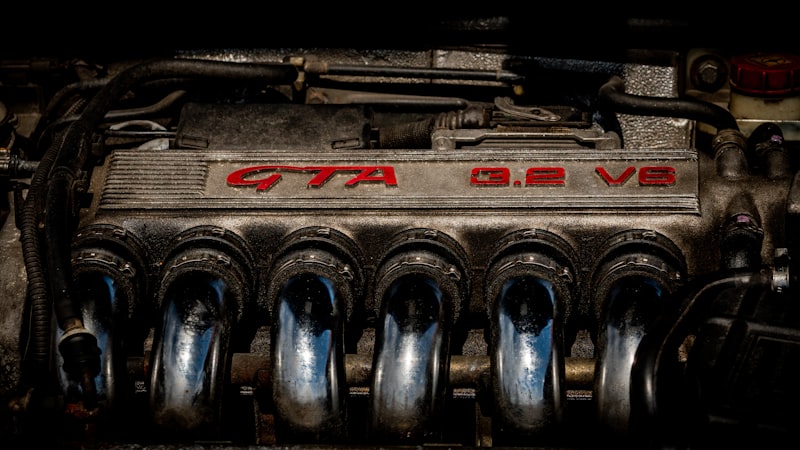
A 1.0 turbo engine—explained by “o que é motor 1.0 turbo”—is much more than a small motor with a turbo. When designed and tuned well, it delivers impressive power, quick response, and solid efficiency. For drag racing, it offers unique advantages in regulated classes where size and weight matter.
Racers who focus on balance—choosing the right parts, boost levels, and smart tuning—can build reliable, high-performance 1.0 turbo setups. If you plan to compete or upgrade, always research proven combinations and listen to experienced tuners. Stay current with industry trends, and check detailed guides at Motor Trend.
Want more engine, turbo, and tuning articles like this? Browse the ecredexa.com blog for in-depth guides, build tips, and drag racing tech.
Leave a Reply