

If you are searching for a complete guide to famous Brazilian motorsport tracks, this article delivers every key fact you need. Brazil is home to remarkable drag strips, local circuits, and vibrant racing events that shape its motorsport community.
Whether you are a fan of roaring engines, grassroots racing, or dreaming about your own track day, this guide covers Brazil’s legendary tracks as well as exciting regional scenes. Discover where history was made, where local heroes battle for pride, and how you can witness the action up close.
In fact, motorsport pulses through Brazil’s veins, reaching from major cities to small towns. Local tracks help nurture talent and host passionate communities. As a result, this approach not only highlights famous circuits but also introduces Brazil’s vibrant, lesser-known racing culture.
An Overview of Brazilian Motorsport and Tracks
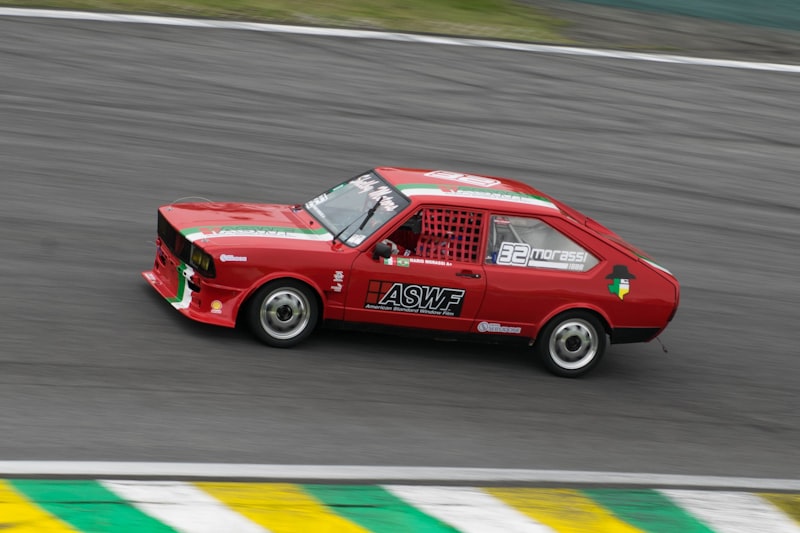
A guide to famous Brazilian motorsport tracks would not be complete without understanding the country’s deep passion for motorsport. Brazil is known internationally for producing legendary drivers, like Ayrton Senna and Nelson Piquet. However, the country’s heart beats just as strong at grassroots and regional track levels. Veja tambem: What Makes Brazilian Tracks Unique: Culture, Design, and Racing Legacy.
In Brazil, motorsport scenes stretch beyond Formula 1 or international events. Tracks across different regions support many forms of racing, from drag racing to stock car and karting. In addition, these circuits connect communities, create local heroes, and support motorsport businesses. Veja tambem: List of the Longest Tracks in Brazil: 2026 Guide for Drag Racing Fans.
For example, the popularity of drag racing—locally called “arrancada”—exploded in the last decade. Tracks like Velopark and Race Valley host both amateur and professional events. These range from local meetups to regional championships. Veja tambem: Top Tips for Attending Events at Brazilian Tracks: A Practical Guide.
Because of Brazil’s large size, each region carries unique traits. Northern, southern, and interior states feature different track layouts, climates, and facilities. While major circuits often host international events, smaller drag strips serve enthusiasts and foster new talent.
Many tracks also provide facilities for car clubs, driver training, and social events. This wider community support keeps interest alive all year.
If you want to grasp why Brazil remains a motorsport powerhouse, start by learning about its tracks. Their variety and history offer insight into local cultures and what makes each racing community unique.
Brazil’s rich drag racing scene relies on these tracks for events, regional pride, and talent development. As we go deeper, you will see how each circuit contributes to Brazil’s national and local motorsport story.
The Role of Drag Strips in Brazilian Motorsport
Drag strips are crucial in Brazil. For example, Race Valley Dragway, near São Paulo, regularly draws thousands of spectators. Because of this, drag strips have become gathering places for racers and fans alike.
Many tracks use modern safety features. These include concrete barriers, high-quality timing systems, and organized race-day schedules. As car modification culture grows, drag strips provide safe places to test and race high-performance machines.
Famous Brazilian Tracks in the National and Regional Scene
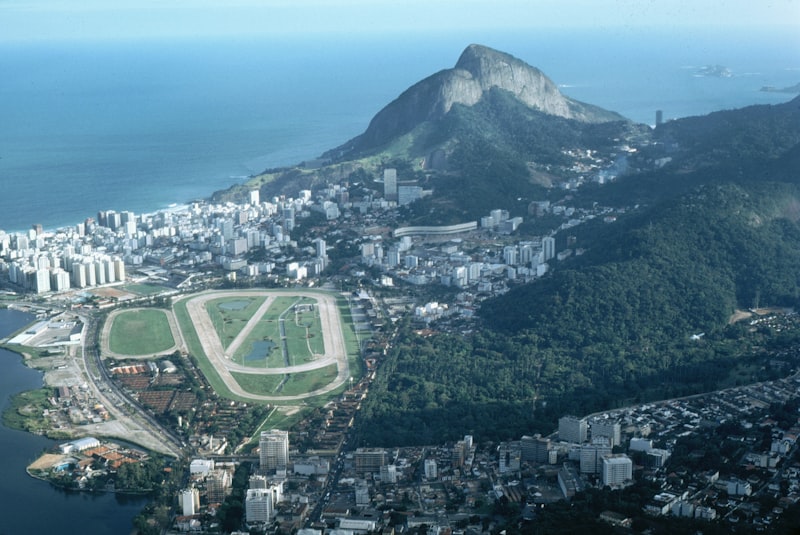
When talking about a guide to famous Brazilian motorsport tracks, certain circuits stand out for their history, influence, and iconic status. Some are known worldwide, while others hold a special place in local communities.
The best-known circuit is Autódromo José Carlos Pace, usually called Interlagos, in São Paulo. This track hosts the Brazilian Grand Prix and is famous for its fast corners and unpredictable weather. Since its opening in 1940, Interlagos has seen motorsport history unfold, with memorable Formula 1 and Stock Car races.
However, Brazil offers much more. Autódromo Internacional de Curitiba, now officially closed, once hosted major touring car events. It also served as a venue for many drag races and club meetings, leaving a strong legacy in southern Brazil.
For drag racing fans, Velopark (in Nova Santa Rita, Rio Grande do Sul) is a main attraction. It opened in 2008 and quickly became South America’s most advanced drag racing park. Velopark hosts national championships, such as the Campeonato Brasileiro de Arrancada, and receives racers from across the continent.
Meanwhile, Race Valley Dragway, located in Tremembé (São Paulo state), has become Brazil’s most popular dedicated drag strip since its launch in 2016. It features a 1,060-meter runway and advanced safety infrastructure. Because of these upgrades, it attracts top racers, tuner teams, and thousands of fans.
On the other hand, local tracks such as Circuito dos Cristais (in Curvelo, Minas Gerais) help foster regional racing culture. Opened in 2016, this track holds events for cars and motorcycles, with a focus on community participation.
Finally, classic tracks like Autódromo Internacional Ayrton Senna, based in Goiânia, remain central to Brazil’s touring and drag racing scenes. This location is home to both state and national racing championships.
In summary, Brazil’s most famous tracks combine history, exciting racing, and strong community support. Whether in major cities or interior towns, each circuit adds something unique to the country’s motorsport fabric.
Key Events at Major Tracks
Famous tracks host signature events each year. For instance, the Brazilian Grand Prix at Interlagos brings global attention. Velopark’s drag racing weekends, on the other hand, showcase Brazil’s local talent and car culture. Circuito dos Cristais focuses on grassroots racing and provides entry-level formats for young drivers.
Profiles of Notable Drag Strips in Brazil
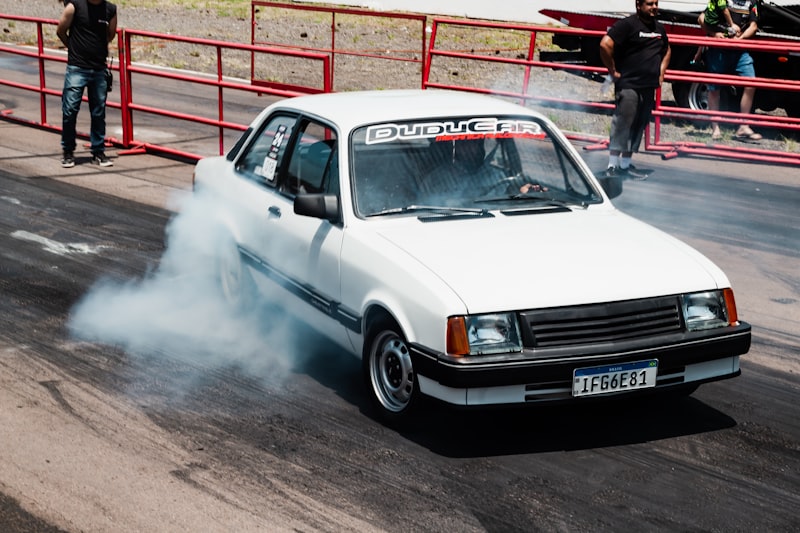
Drag racing is a core part of Brazil’s motorsport landscape. Tracks dedicated to this sport contribute to its rapid growth. Here are detailed profiles of three influential drag strips shaping the scene today.
Race Valley Dragway (Tremembé, SP): Opened in 2016, Race Valley helped transform drag racing in Brazil. Its state-of-the-art infrastructure includes a 1,060-meter concrete surface, modern lights, and strict timing systems. Because of its high standards, the dragway quickly earned national recognition. Major events, such as the Festival ECPA de Arrancada, bring together top racers and project cars from all over the region. The dragway also welcomes amateur racers during open track days.
Velopark (Nova Santa Rita, RS): Velopark is more than a drag racing venue. It is South America’s most complete motorsport park. Opened in 2008, it includes a professional-grade drag strip, kart tracks, and a road circuit. The drag strip hosts the Campeonato Brasileiro de Arrancada and welcomes international competitors. Velopark’s events attract large crowds and media coverage, making it a central hub for car enthusiasts.
Autódromo Internacional Ayrton Senna (Londrina, PR): This track opened in 1992 and soon became a leading host for drag racing and touring car competitions. Its layout supports both circuit races and drag events, making it versatile for motorsport organizations. Ayrton Senna’s legacy inspires many competitors, and the track invests in regular upgrades to keep up with evolving racing standards.
These tracks are more than facilities. They function as community centers. Because of this role, they connect mechanics, drivers, fans, and local businesses.
How Drag Racing Events Impact Local Communities
Drag events help boost local economies. For example, major weekends at Race Valley often double room bookings at local hotels. Car clubs organize travel caravans, and many fans spend on restaurants and workshops. As a result, city governments often support these drag strips, recognizing their value for tourism and youth engagement.
The Diversity of Regional Motorsport Scenes
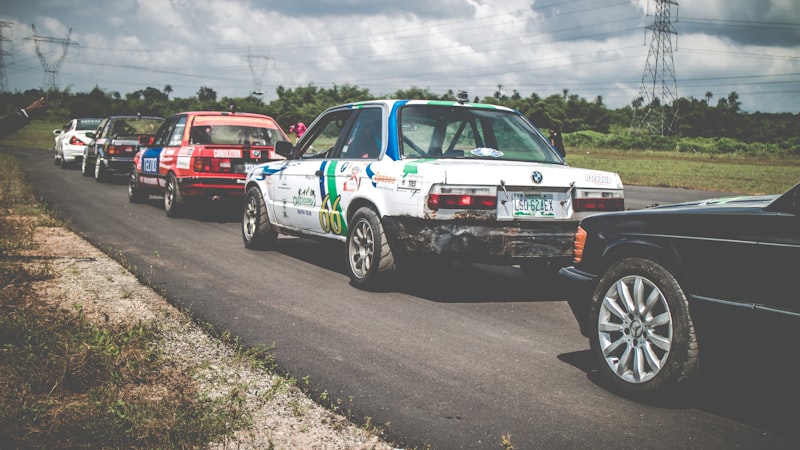
Besides large national venues, many regional tracks shape Brazil’s motorsport identity. These circuits act as breeding grounds for new drivers and foster strong community ties.
Tracks like Autódromo de Tarumã, located in Viamão (Rio Grande do Sul), serve as entry points for aspiring drivers. Open since 1970, this circuit supports training sessions, amateur races, and drag events. Many famous Brazilian racers started their journey here.
In the north, Autódromo Internacional de Manaus brings together drag and touring events in the Amazon region. Not only does it offer modern tracks, but it also represents motorsport expansion into Brazil’s far regions.
Moreover, smaller drag strips, such as ECPA (Esporte Clube Piracicabano de Automobilismo) in São Paulo’s countryside, support regular grassroots competitions. ECPA is especially famous for its open-entry policy, allowing anyone with a car and a helmet to take part safely.
Regional scenes are not just about racing. They feature car shows, swap meets, and technical workshops. This approach creates year-round engagement for fans and specialists alike. In fact, regions like Minas Gerais and Paraná now have clusters of specialty shops and tuning garages because of their active drag strip scenes.
At local levels, clubs often host “arrancadão” events. These events feature informal drag races on temporary strips. While safety and organization are lower, the sense of community and common passion runs high.
For more on Brazil’s regional motorsport trends, see FIA South America’s events calendar.
The Growth of Women and Youth Participation
Recent years saw more women and young drivers entering regional drag events. For example, Velopark’s Junior Dragster program trains teens in racing skills and car handling. Because of inclusive initiatives, regional tracks now look very different from a decade ago.
Attending an Event: Practical Tips and What to Expect
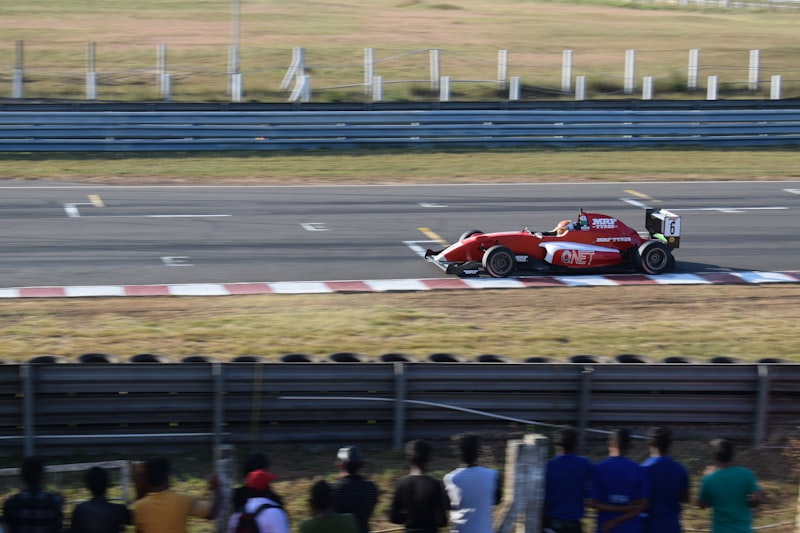
Visiting a famous Brazilian track is a thrilling experience, whether you are a first-timer or a regular visitor. Here are practical tips to make the most of your motorsport adventure.
First, plan ahead. Most tracks post their event calendars online. Major events can attract thousands of fans, so buying tickets in advance is wise. In addition, larger events at tracks like Interlagos or Velopark often offer reserved seat options.
Arrive early. Parking lots fill up quickly, and you will want time to explore paddocks or meet drivers. Because food trucks and souvenir stands open before races start, early visitors find better options and avoid lines.
Prepare for changing weather. Brazilian tracks can see sudden rain or intense heat, depending on the region. Therefore, bring sun protection, water, and comfortable shoes.
For family visits, look for tracks with playgrounds or shade areas. Race Valley and Velopark, for example, offer dedicated spaces for children.
Photography is usually welcome, but always respect safety barriers. Spectators must stay behind fences and follow volunteer instructions. In summary, track staff focus on safety at all levels.
Regional tracks often allow fans to visit garages during open paddock hours. This is the best time to meet racers, see the machines up close, or ask questions. Many drivers enjoy sharing stories or explaining their cars’ details.
Most local tracks, such as ECPA and Circuito dos Cristais, provide food, water, and restrooms. However, it is smart to double-check facilities before traveling to a new circuit.
After the race, avoid rushing to exit. Final ceremonies or car club parades sometimes occur, creating memorable moments for fans.
For up-to-date schedules and track guidelines, check the Confederação Brasileira de Automobilismo website.
Conclusion
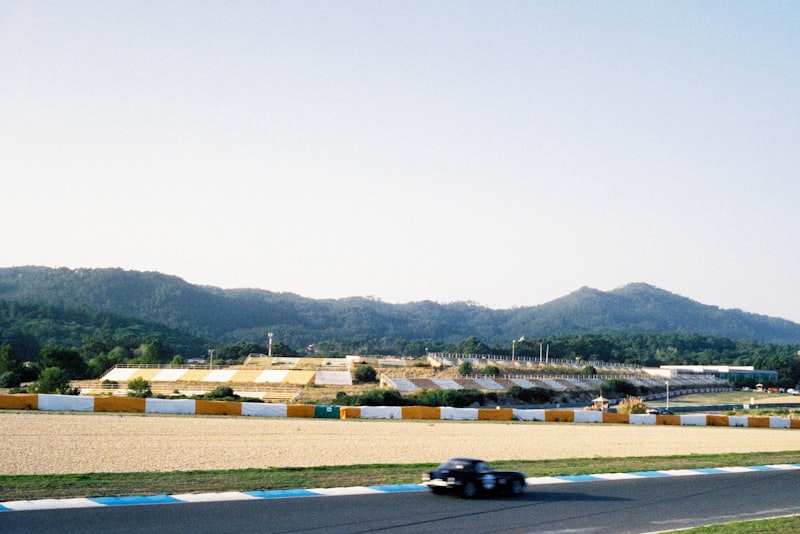
In summary, a thoughtful guide to famous Brazilian motorsport tracks combines respect for tradition with passion for modern racing scenes. Brazil remains a motorsport giant because of its iconic circuits, lively drag strips, and rich regional culture. Tracks like Interlagos, Velopark, and Race Valley are central hubs for racers and fans.
However, do not overlook the regional gems and local drag strips where new stories unfold. By attending events, exploring new tracks, or joining grassroots races, you support Brazil’s motorsport future.
Want to know more about Brazil’s motorsport scene or attend your first local drag event? Explore regional calendars, join local car clubs, and experience firsthand the energy only Brazil can offer.
Leave a Reply