


Getting the edge in drag racing means knowing the guide to tuning drag cars for racing competitions inside and out. Tuning a drag car for professional racing takes specialized knowledge, not just general car skills.
Each part of a race car — engine, chassis, transmission, and suspension — must be adjusted for peak performance. In addition, safety is just as important as speed when building a competition-ready drag car.
This article breaks down professional tuning methods used by top teams in 2026. You’ll find practical examples, real data, and clear explanations. Whether building your first race-ready chassis or refining a seasoned build, this guide offers tips you can use today.
Understanding the Basics: Chassis and Cage for Competition Builds

When starting a competition drag car build, the chassis is the backbone. That’s why many teams use a purpose-built, tube-frame chassis rather than a modified stock frame. This provides both safety and weight control. Veja tambem: What Makes a Drag Car Competition-Ready: Key Elements for Racing Success.
For example, the NHRA and other top organizations require a full roll cage for any drag car able to run the quarter mile under 10 seconds. In addition, most sanctioning bodies have strict rules about bar thickness, weld quality, and attachment points. If the cage is not built to spec, you cannot compete. Veja tambem: Top Tips for Building a Winning Drag Race Car: A 2026 Guide.
Because of this, most successful racers use certified race shops for cage work. Chromoly tubing is now standard for advanced builds, offering high strength and lighter weight. For cars in the 7- to 8-second range, further chassis stiffening is needed, using extra cross bracing and floor reinforcements. Veja tambem: How to Choose Parts for Drag Competition Builds: A 2026 Guide.
However, safety is only part of the story. Drag car setup also includes mounting points for the suspension, transmission, and engine. Chassis shops often include adjustable suspension pick-up points. This allows teams to tune for different tracks and conditions.
On the other hand, keeping the chassis as light as possible is always a goal. This may include using thin-sheet aluminum for floors, carbon fiber body panels, and removing all non-essential interior components.
In summary, a well-built chassis and certified cage are the foundation of any top competition drag build. Without these, advances in other areas will be limited or even unsafe.
Practical Example: Chassis Selection and Performance
A Pro Mod drag car in 2026 often uses a 4130 chromoly chassis with a full 8.50-second NHRA cage. Lightweight floors, rigid cross bracing, and four-link rear suspension mounts allow for precise adjustments. Even at around 2,600 pounds, these cars handle over 4,000 horsepower safely. Therefore, investing in a quality chassis gives you the best starting point.
Engine Tuning: Maximizing Horsepower and Reliability

Tuning the engine is where performance meets reliability. Every extra horsepower counts, but holding it together down the track is just as crucial.
Modern drag engines for competitions usually fall into two main categories: boosted (turbo or supercharged) and naturally aspirated. Each needs a different tuning approach.
For turbocharged engines, managing boost is critical. Therefore, tuners use advanced electronic boost controllers. These devices adjust boost level by gear or time, matching available traction and road conditions. For example, a twin-turbo Pro Mod car will bring up boost slowly in lower gears, then ramp up in high gear for top speed.
On the other hand, naturally aspirated engines rely on high compression and precise fuel/air ratios. Engine management systems log data each pass. This allows tuners to refine ignition timing, fuel delivery, and shift points. For Pro Stock cars, ECU adjustments can net a tenth of a second or more.
In addition, racers use data logging to spot engine problems before failure. Sensors track oil pressure, exhaust gas temperature, knock, and air/fuel ratio. Consistently reviewing these logs is now standard practice across all classes.
Because of this focus on reliability, drag teams spend equal time at the engine stand as they do on the track. They examine valvetrain wear, piston condition, and bearing clearances after every race.
Engines can cost over $80,000 for top-level builds in 2026 according to EngineLabs. Regular tuning and inspection are the only way to protect that investment.
Real-World Data: Fuel and Timing
A Pro Stock Hemi V8 may run up to 15:1 compression. Tuners in 2026 set total ignition timing between 33-36 degrees, depending on fuel quality and track conditions. Running an ethanol blend benefits boosted engines by allowing higher boost without detonation. Because of this, many competitive teams have switched to E85 or methanol. This results in cooler combustion and more consistent performance.
Advanced Drivetrain and Suspension Setup for Slick Tire Drag Cars
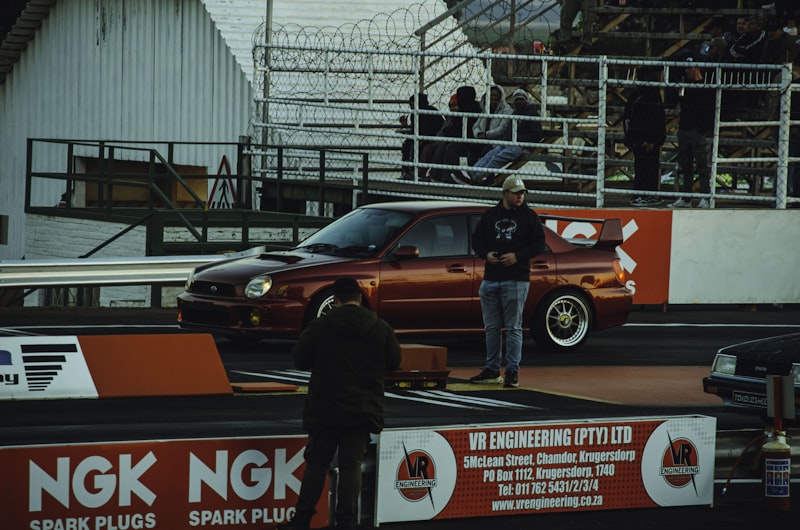
Suspension and drivetrain tuning are even more important with today’s ultra-powerful drag builds. Slick tires demand near-perfect setup, or you risk spinning out at the launch.
Competition drag chassis typically use a four-link rear suspension. This setup allows for fine control over squat, traction, and launch angle. Teams often change four-link instant center, bar angles, and shock settings for different tracks.
For example, on a well-prepped track, softer rear shocks allow the tires to plant more quickly. However, if the track is marginal, slightly stiffer settings can help reduce wheel hop and spin.
In addition, the front suspension gets attention. Modern struts allow for travel limiting devices. These prevent excessive nose lift that loses forward force. Setting the “extension” limits on the struts can shave several hundredths off your 60-foot times. This is critical for anyone running heads-up classes.
Transmission tuning is also a big part of the winning formula. Most builders now use air-shifted automatic transmissions or clutchless manuals. Shifter programming, RPM limiting, and lockup converters are set up in the pits and re-checked before every pass.
Finally, gear ratios must match both the track and powerband. On a short-track race, a lower rear gear helps acceleration. For longer quarter-mile tracks, a slightly taller gear prevents excessive engine RPM in the traps.
Practical Setup Example
A drag car running in an 8.50 index class may use a four-link suspension set at a 45-inch instant center. Rear shock rebound can be set to quick for sticky tracks, and launch RPM controlled using a two-step limiter set to 4,800 RPM for consistency. Pro teams often test with a “tire shake meter,” making real-time tweaks between rounds.
For more information on advanced drag suspension, see Strange Engineering’s technical resources.
Data, Electronics, and Real-Time Adjustments: Winning with Technology

Electronics have changed how drag cars are tuned for competition. Data logging, track condition sensors, and wireless controls all play a part in 2026 builds.
First, most cars today use a standalone race ECU. This manages ignition timing, fuel delivery, boost, and nitrous control in real time. Throttle position, wheel speed, and air/fuel ratio all feed into the ECU. After each pass, tuners download this data to laptops. Patterns are spotted, trends are tracked, and adjustments are made.
In addition, wireless tire pressure sensors help monitor traction. Even a 1-psi change in slick pressure can impact 60-foot times. Pit crews now carry hand-held monitors and adjust for each round.
Track conditions are also measured with on-site pyrometers and friction meters. This helps teams decide on tire prep, suspension changes, and launch techniques.
Data-driven decision making is now the norm at top events. Sophisticated analytics can cut quarter-mile times by a tenth of a second. In drag racing, that often means the difference between first and third place.
Pro Tip: Keeping Up with Rapid Changes
With technology moving fast, racers must keep their skills sharp. Many teams attend training seminars and partner with electronics companies for testing. The results speak for themselves. Cars in 2026 are faster, safer, and more responsive than ever.
Conclusion

Tuning a competition drag car is both art and science. This guide to tuning drag cars for racing competitions covered chassis, engine, suspension, and electronics. Each area must work in harmony for the best performance.
In 2026, a safe, stiff chassis and cage form the foundation. Reliable power comes from careful engine tuning and thorough data logging. Maximum traction requires advanced four-link setup and track-side adjustments. Finally, smart use of electronics and real-time data completes the package.
Whether you’re rebuilding a seasoned race car or building your first full competition chassis, start with a good plan. Test, adjust, and learn from each pass. For those aiming for podiums and records, tuning never stops. The track is always waiting.
Keep learning, keep building, and enjoy mastering the science of speed.
—
Sources:
Leave a Reply