


If you want to win at the strip, knowing the must-have mods for drag car builds is key. Drag racing at a competitive level demands more than basic upgrades. It needs dedicated setups built for safety, speed, and reliability.
In this article, we cover the top modifications every serious competition drag car must have. We focus on builds using full cages, purpose-built chassis, slick tires, and advanced tuning. In fact, these upgrades can mean the difference between a qualifying pass and an early exit.
Competition drag cars face unique performance and safety demands. Therefore, every mod listed here has proven itself on the strip. Let’s dive into what makes a true drag car competitive in 2026.
Chassis and Safety Mods: Building the Backbone of Drag Competition
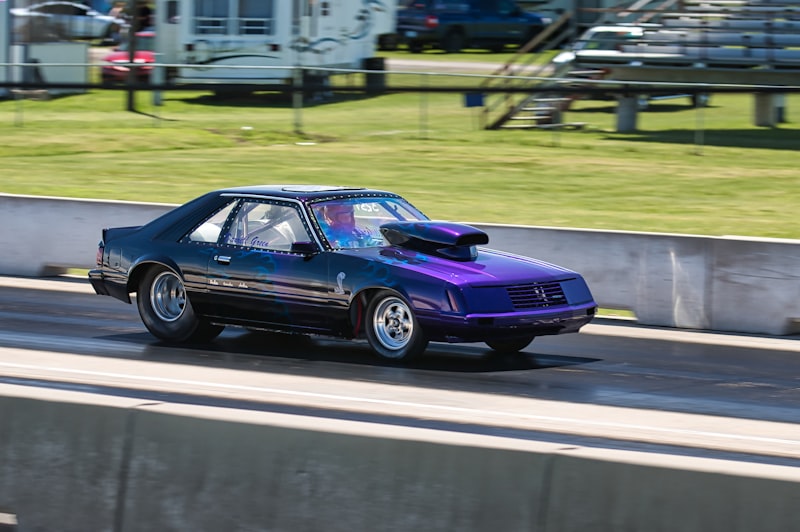
The foundation of any drag car built for competition is a strong and safe chassis. In most drag racing leagues, a properly reinforced chassis is required. This ensures both the driver’s safety and the car’s performance, especially when running low ETs (elapsed times). Veja tambem: What Makes a Drag Car Competition-Ready: Key Elements for Racing Success.
Chassis Stiffening and Roll Cages
Most competitive drag cars use tube-frame chassis or extensive subframe connectors for rigidity. For example, a tube-frame chassis can reduce flex and improve consistency on launches. According to the NHRA Rulebook, cars running 9.99 seconds or quicker must use full roll cages and specific materials. Veja tambem: How to Choose Parts for Drag Competition Builds: A 2026 Guide.
The roll cage serves two vital roles. First, it protects the driver in case of a crash. Second, it ties key points of the chassis together. This increases strength and ensures the suspension moves the same way with every launch. In summary, a well-designed cage not only saves lives but helps run straight and fast.
Racing Seats and Harnesses
Another essential upgrade is swapping stock seats for racing buckets and 5-point harnesses. These keep drivers secure under severe acceleration forces. High-end racing harnesses often have SFI certification for competition. This certification proves the harness can withstand both violent impacts and repeated hard launches.
Fire Suppression and Parachute
At high speeds, safety gear is crucial. A fire suppression system is mandatory for many classes above 150 mph. This system includes nozzles in the engine bay and driver area. In addition, a parachute is required if you run over 150 mph in the quarter mile. It helps the car slow down safely after a pass, protecting both car and driver.
In summary, focusing on a strong chassis and top safety gear is not just smart — it is usually required by race regulations. These must-have upgrades form the backbone of a winning drag car.
Powertrain Mods: Maximizing Horsepower and Launch Control
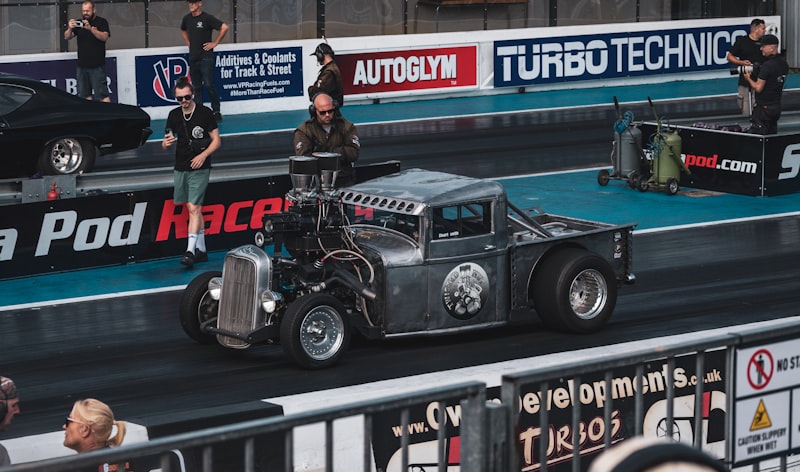
Engine and drivetrain mods are what make drag cars truly fast. However, it’s not just about raw horsepower. Power must reach the ground reliably, and the car must launch hard every time. In 2026, technology continues to advance these upgrades.
Forced Induction and Nitrous Systems
Most competitive drag cars use forced induction—either turbocharging or supercharging. For example, a twin-turbo LS motor running E85 can make over 2000 horsepower with the right supporting mods. Turbo systems with modern wastegate control deliver precise boost levels. In addition, some classes allow nitrous oxide systems for quick power on demand.
According to EngineLabs, modern nitrous kits have better control, with progressive controllers allowing staged power delivery. This prevents tire spin and helps cars launch harder.
High-Performance Transmissions and Torque Converters
In drag racing, quick and consistent shifts matter. Aftermarket automatic transmissions like Powerglide or TH400 remain popular in race builds. These gearboxes hold huge horsepower and support transbrake setups. Transbrake assists in holding the car at the line while building boost or stalling the converter for a perfect launch.
A race-spec torque converter is tailored to the engine’s powerband and weight. For instance, a 5000 rpm stall converter can help turbo cars spool before launch. On the other hand, some pro builds use clutchless manual transmissions with sequential shifters for even faster changes.
Advanced Engine Management and Data Logging
Today’s drag cars rely on advanced engine management systems (EMS) for precise tuning. Systems from brands like Haltech, FuelTech, or Holley EFI allow custom mapping for every pass. In addition, data logging lets crews analyze air/fuel ratios, boost curves, suspension travel, and more. This information is crucial for quick tuning between rounds.
Because of these upgrades, teams can react to track conditions and make fast improvements. This maximizes both consistency and overall ETs.
Suspension, Tires, and Traction: Putting Power to the Track

Getting horsepower to the ground is a science. The best drag car mods ensure the car hooks up cleanly every run.
Drag Slicks, Beadlocks, and Tire Tech
Racing slicks are mandatory for competitive builds. Unlike street tires, drag slicks have a soft compound and no tread. This gives maximum grip on the sticky drag strip surface. In 2026, top manufacturers like Hoosier and Mickey Thompson offer radials and bias-ply slicks in various sizes.
High-powered cars often use beadlock wheels. These clamp the tire bead tightly to the wheel, preventing tires from spinning on the rim under extreme torque. For example, a 1500+ hp Pro Mod car on 32×14-inch slicks nearly always runs beadlocks for safety.
Tuning tire pressure is another key area. Teams often start with 12 psi and adjust based on track grip. Lower pressure increases the contact patch, but too low can damage the tire.
Adjustable Coilovers and Shocks
Drag cars rely on custom rear shocks and coilovers to control weight transfer. Adjustable suspension allows racers to set rebound and compression for specific track conditions. On launch, the rear squats and the front lifts, shifting weight over the driven tires.
With double-adjustable shocks, teams can set the exact rate they want for different track prep and temperatures. For example, in hot conditions with less glue, a slower rebound keeps weight on the tires longer. In fact, this can cut tenths off 60-foot times.
Four-Link, Ladder Bar, and Anti-Roll Bar Setups
Solid-axle cars benefit from four-link or ladder bar rear suspensions. These allow precise adjustment of the instant center and pinion angle. A correctly set up four-link can solve wheel hop and let the car launch straight every time.
Anti-roll bars reduce body roll during launches, keeping the car stable. Many racers also use wheelie bars to prevent the car from lifting too high in the front, protecting the chassis.
In summary, suspension and tire mods are as vital as horsepower when building a drag car for competition.
Electronics, Controls, and Race-Day Optimization

Modern drag cars use advanced electronics for an edge on race day. These tools help control power, monitor performance, and make more consistent passes.
Boost Controllers and Launch Control Systems
A programmable boost controller is a must for turbo and supercharged cars. It allows the driver or tuner to ramp in power smoothly. For example, staged boost can prevent tire spin in the first 60 feet, then add more power as the car moves downtrack.
Launch control systems are also popular. They hold engine rpm at a preset level at the start line. This ensures each launch is repeatable, helping drivers hit target 60-foot times.
Delay Boxes and Line Locks
Delay boxes are common in classes where reaction time is essential, such as bracket racing. These devices control when the transbrake or line lock releases, ensuring a perfect light every time.
Line locks use the car’s brake hydraulics to hold the front wheels during burnouts. This lets racers heat the rear slicks for maximum stickiness without moving forward.
Digital Dash Displays and Telemetry
Modern digital dash displays show key data like rpm, boost, and EGTs in real time. These displays are customizable, showing warnings and logs for the crew chief to review. In addition, wireless telemetry lets teams monitor the car during a run and download data afterward. This helps find areas for improvement.
Lightweight Batteries and Power Systems
Reducing weight matters. Today’s drag cars use small lithium or AGM batteries instead of heavy lead-acid types. These save 20-40 pounds, which can improve ETs. Teams must balance battery capacity with the power demands of EFI, ignition, and data systems.
In fact, careful planning of electrical mods can result in both better performance and reliability throughout the race season.
Conclusion

Building a winning drag car for competition takes more than adding horsepower. The must-have mods for drag car builds include a strong chassis, advanced powertrains, optimized suspension, and cutting-edge electronics. Each upgrade is designed to improve safety, consistency, and speed down the strip.
For racers planning their next competition build, focus on these essential mods first. They are backed by real results and required for top performance. To keep up with the newest technology and best practices, check the latest rules from leading sanctioning bodies like the NHRA or your local tracks.
Start with the fundamentals covered in this guide. With the right mods and careful preparation, your drag car will be a contender on any track in 2026.
Leave a Reply